





Australia requires more than a dozen developments in renewable energy in order to offset the loss of more than 60 percent of coal power plants across the country. Over the next two decades, these plants will shut their doors, leading to a significant need for action across renewables.
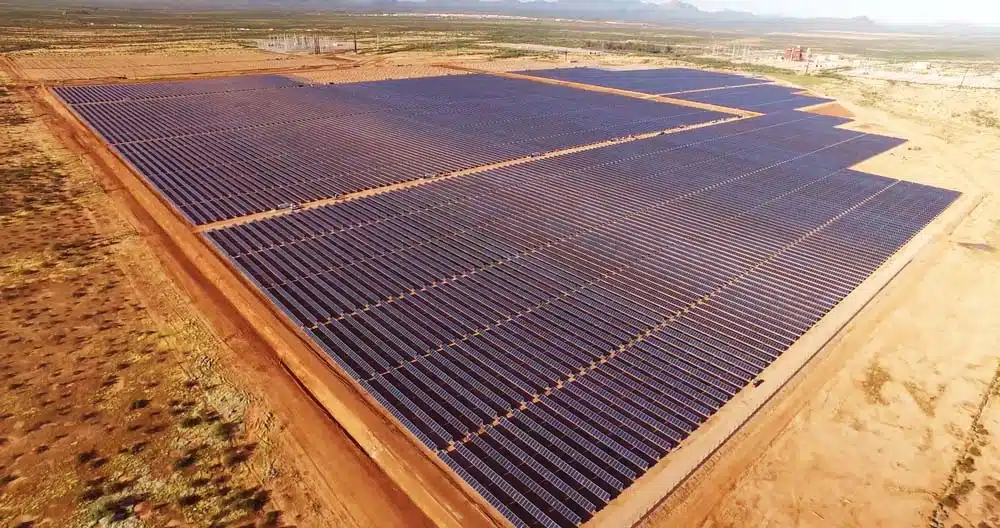
In addition, a huge upgrade of electricity transmission wires will be required to ensure households and businesses are able to access the new energy sources, according to the Australian Market Operator (AEMO). Rooftop solar will play a role here, with almost a quarter of energy consumed to be generated from solar panels in both residential and commercial applications, by 2040.
The decline of coal will mean an offset that equates to tripling the current number of renewable plants across Australia will be needed. They will need to be installed in the next two years, as forecasted by the AEMO.
A roadmap created by AEMO also highlighted developments for the next 20 years, noting renewable energy with power that’s dispatchable will be the lowest cost for Australians.
Chief executive Audrey Zibelman said Australia must invest in energy systems that keep up with modern demands, in order to adapt to the changing tides.
“To maximise maximise economic benefits, as traditional generators retire, Australia must invest in a modern energy system with significant consumer-led distributed energy resources,” she said. This includes rooftop solar installations and strategic augmentations to the current network.
But to access power generated from power plants, the transmission network will need to be upgraded.
Proposed renewable energy developments
A draft report currently highlights a number of ‘high priority’ developments and investments across renewables, including:
- A power link undersea between Tasmania and Victoria
- A transmission line from Robertstown (SA) to Wagga Wagga (NSW)
- A connection from WA – where wind plants are under development – to southern NSW and the Snowy 2.0
- Advancements for the existing connections between QLD to NSW, and NSW to VIC.
- Upgrades to the transmission system in VIC to enable renewable energy to reach homes.
The AEMO predicts that the National Energy market will include a combination of renewables, gas and distributed energy generation, backed by storage and network solutions.
Additionally, the report noted 15 gigawatts (63 percent) of the country’s coal-fired sources are likely to be phased out by 2040. Because of this, more renewables are needed to replace these outdated generators.
Luckily, a number of developments are already in the pipeline across five states. Further to this, there will need to be an upgrade of up to 21 gigawatts of dispatchable resources through battery storage and pumped hydro, if Australia is to move away from coal-based generation.