
“..the three systems have been running reliably, with zero downtime” Remotely and permanently unmanned, the radio and data communications systems at a mining site in Western Australia require reliable and automatic power.
While diesel gensets were an option for such remote power requirements, they do require regular refuelling and servicing, and the cost of shipping fuel to remote locations can be as much as $3 per litre.



Did you know Energy Matters is Australia’s largest renewable news, blog and educational resource? Subscribe to Energy Matters’ weekly newsletter and keep updated even with incentives, rebates and recommended solar product offers.
Project overview
Location
Western Australia
Off-Grid System 1
7.56 kW
Off-Grid System 2
10.8 kW
Off-Grid System 3
5.04 kW
Installion Date
November 2011
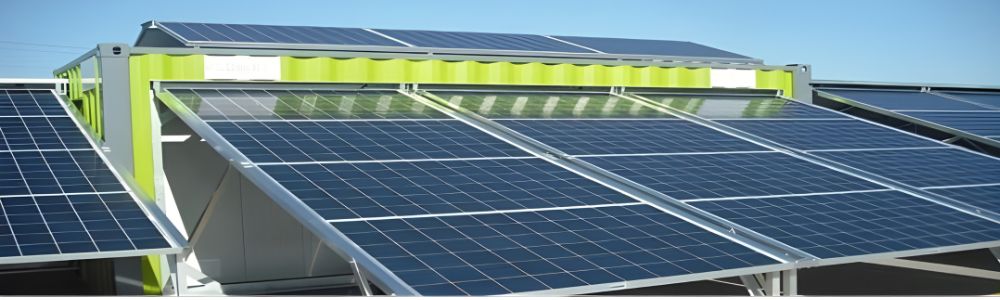
Energy Matters was engaged to design and install standalone solar power systems for three communications towers at the site, each with slightly different requirements.
The systems had to power transmitter/receiver equipment, phone and IT servers, some running on DC power and some on regular 240V AC.
All components were chosen for their durability and reliability in the harsh conditions of the Western Australian outback. For example, Sanyo HIT solar panels perform better than other panel types in high temperatures and are extremely durable.
The remote location added logistical complexities to the installation. The components for the solar power systems were transported by train, then by 4WD, to the three installation sites. All components were meticulously checked before shipment, as there would be no opportunities to purchase spare parts once they arrived on location.
Energy Matters’ installers had to comply with the complex safety requirements for mine-site operations and completed lengthy site inductions and safety briefings.
Technical specifications
Below is a detailed breakdown of the three off-grid solar systems installed at the communications site:
System | System 1 | System 2 | System 3 |
Size (kW) | 7.56 kW | 10.8 kW | 5.04 kW |
Solar Panels | 36 x 210W Sanyo HIT panels | 48 x 210W Sanyo HIT panels | 24 x 210W Sanyo HIT panels |
Battery Storage | 48 x BAE 2V/1500Ah Gel batteries | 48 x BAE 2V/1800Ah Gel batteries | 24 x BAE 2V/1800Ah Gel batteries |
Inverter/Controller Setup | 1 x SMA SI 5048 inverter charger; 2 x Outback FM80 charge controllers | 1 x SMA SI 5048 inverter charger; 3 x Outback FM80 charge controllers | 1 x SMA SI 5048 inverter charger; 2 x Outback FM80 charge controllers |
Key Components | Outback Hub/Mate communication interface | Outback Hub/Mate communication interface | Outback Hub/Mate communication interface |
System performance and results
Within the first six months of operation, all three systems ran continuously and reliably, with zero downtime and minimal generator backup. The autonomous setup proved ideal for the remote site, eliminating costly diesel deliveries and reducing the carbon footprint.
Environmental impact
The project delivered impressive sustainability benefits, saving 36 tonnes of CO₂ annually — equivalent to offsetting the emissions of more than 8 passenger vehicles.
Economic benefits
Switching from diesel to off-grid solar power significantly reduced fuel costs, maintenance requirements, and operational risks. With long-lasting components and low maintenance needs, the systems ensured a strong return on investment (ROI) for the mining operator.
Considering a commercial–scale solar project? Contact us today, and we can begin to build your Perth solar panel system together.