





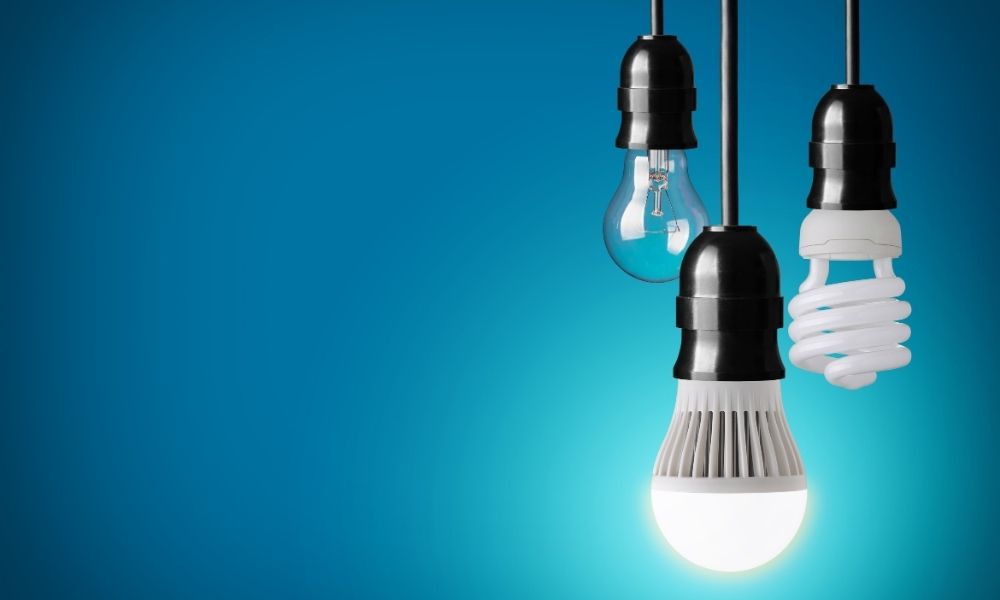
Traditional light globes guzzle power and burn out quickly. LED lighting, on the other hand, provides significant advantages. We’re talking low electricity bills, a longer lifespan, and a smaller environmental footprint. This post will outline the key benefits of switching to LEDs, providing practical information to help you make the change.
On this page




Did you know Energy Matters is Australia’s largest renewable news, blog and educational resource? Subscribe to Energy Matters’ weekly newsletter and keep updated even with incentives, rebates and recommended solar product offers.
What is an LED light?
LED stands for Light-Emitting Diode, a technology that uses semiconductors to produce light. Unlike traditional globes that heat a filament, LEDs generate light directly. This process is far more efficient, meaning less energy is wasted as heat. Essentially, it’s a fundamental shift from heating to direct light generation.
Energy efficiency and cost savings
LED lights are a massive win in terms of energy efficiency. Below are the reasons:
- Lower power draw: LEDs use significantly less electricity. Think of it this way: a 10-watt LED can produce the same light as a 60-watt incandescent globe. We’re talking up to 90% less juice being used.
- Reduced power bills: Less power used means less money out of your pocket. You’ll see the difference on your quarterly bill. Therefore, switching to LEDs can save the average household a fair amount each year.
- Longer lifespan: These things last ages. LEDs can clock over 25,000 hours, compared to a few thousand for traditional globes. That means fewer replacements, saving you both time and money.
Environmental benefits
Beyond the financial benefits, LED lighting provides substantial environmental advantages. Firstly, the reduced energy consumption of LEDs directly translates to a smaller carbon footprint. By requiring significantly less electricity, LEDs contribute to lower greenhouse gas emissions, lessening the demand on power stations, many of which rely on fossil fuels.
Another thing, unlike traditional fluorescent bulbs, LEDs do not contain harmful substances such as mercury or lead. This eliminates the risk of hazardous material release during disposal, making LEDs a safer choice for both households and the environment. Finally, while not all components are universally recyclable, many elements of LED lights can be recovered and reused, contributing to a reduction in overall waste.
Better lighting quality
Moving beyond energy efficiency and environmental considerations, LED technology also provides significant enhancements to lighting quality.
- Variable colour temperatures: LED lights offer a wide range of colour temperatures, measured in Kelvin (K). This allows for precise control over the ambiance of a space. Warmer colour temperatures create a cosy atmosphere, while cooler temperatures provide a brighter, more energising effect. His versatility makes LEDs suitable for diverse applications, from residential living spaces to commercial environments.
- Instant illumination: Unlike some traditional lighting solutions that require a warm-up period, LEDs provide instant illumination upon activation. This eliminates delays and contributes to improved responsiveness, particularly in settings where immediate lighting is essential.
- Durability and resilience: LDs are inherently robust, exhibiting resistance to shock, vibration, and temperature fluctuations. This durability makes them suitable for challenging environments, including outdoor installations and industrial settings.
- Directional light emission: LEDs emit light in a directional manner, reducing the need for reflectors and diffusers. This focused light output contributes to improved efficiency and allows for precise control over illumination.
- Reduced heat generation: Compared to incandescent bulbs, LEDs produce significantly less heat. This enhances safety and reduces the load on air conditioning systems, leading to further energy savings.
Diverse applications of LED lighting
The adaptability of LED technology ensures its applicability across a wide spectrum of lighting requirements. In residential settings, LEDs offer versatility in recessed, accent, and outdoor lighting, enabling tailored illumination for diverse spaces and purposes. Commercial enterprises, particularly in retail, office, and warehouse environments, gain substantial advantages from LED implementation. Enhanced lighting quality improves product presentation, boosts workplace productivity, and cultivates a more inviting atmosphere for both clients and staff. Within demanding industrial contexts, LEDs provide the necessary durability and resilience to endure harsh conditions, making them ideal for factories, warehouses, and similar settings due to their resistance to shock, vibration, and temperature extremes.
Beyond general illumination, LEDs are essential in specialised applications such as automotive lighting, signage, and display lighting. Their compact design and ability to generate a broad range of colours make them well-suited for these specialised uses.
Addressing misconceptions
Despite the numerous advantages, some common concerns and misconceptions surround LED lighting. Addressing these points is essential for informed decision-making:
- Initial cost: A prevalent concern is the higher upfront cost of LED bulbs compared to traditional alternatives. However, it’s important to consider the long-term return on investment. The extended lifespan and reduced energy consumption of LEDs result in significant cost savings over time, offsetting the initial expense.
- Light quality perceptions: Misconceptions regarding the quality of LED light, such as the belief that it is harsh or unnatural, are often based on outdated perceptions. Technological advancements have significantly improved LED light quality, offering a wide range of colour temperatures and intensities to suit various preferences.
Tips for switching to LED lights
Transitioning to LED lighting involves practical considerations to ensure optimal performance and efficiency.
- Choosing the right LED bulbs: Understanding bulb labels is vital for choosing the right LEDs. Lumens indicate brightness, wattage equivalents compare energy consumption, and Kelvin ratings define colour temperature. Matching these specifications to existing figures and desired lighting effects is essential.
- Retrofitting existing fixtures: In most cases, replacing traditional bulbs with LEDs is a straightforward process. However, some fixtures may require adapters or minor modifications. Checking compatibility and following manufacturer guidelines are recommended.
- Proper disposal of old bulbs: Incandescent bulbs can be disposed of conventionally. However, fluorescent bulbs contain mercury and require specialised disposal. Contacting local water management facilities or recycling centres for guidance on proper disposal is vital.
Transitioning to LED lighting comes with a lot of benefits, encompassing economic, environmental, and performance advantages. The reduced energy consumption and extended lifespan of LEDs translate to significant cost savings and a diminished environmental impact. Furthermore, the enhanced lighting quality, versatility, and durability of LED technology make it a superior choice for diverse applications.