




According to ABC News, a new report from the Australian Competition and Consumer Commission (ACCC) found electricity price rises are having their greatest impact on low-income households.
The ACCC’s ‘Retail Electricity Prices Inquiry Preliminary Report’ also states that competition in the sector has not brought down costs for consumers. The Commission is now investigating the sector and will make recommendations in its final report in June 2018.
What makes up the average electricity bill?
The retail cost of electricity makes up about 23 per cent of bills on average. Network costs account for nearly half, while energy generation and environmental costs make up the rest.
The highest hit state for prices is South Australia, where consumers are paying 38.3 cents per kWh. South East Queensland follows at 33.1 cents, then Victoria (29.9c) and NSW (28.2c). In comparison, the EU average cost is 19 c/kWh.
While real wages have increased by about 6 per cent over the past decade, electricity prices on average have gone up 44 per cent. Pensioners are often the hardest hit due to being on a low, relatively fixed income.
Ways to reduce impact of electricity price rises
It seems many consumers have been reducing their electricity usage, but not finding much relief in doing so. The ACCC recommends ‘shopping around’ to find a better retailer.
Commission Chair Rod Simms said loyalty to a provider tends to increase what customers pay, rather than the opposite.
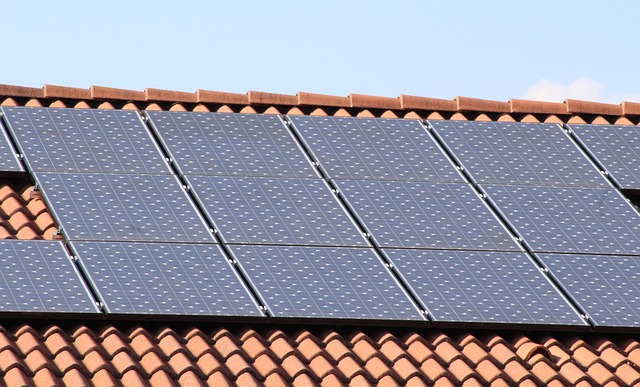
Solar installations are increasing, due to the falling prices of solar panels and energy storage batteries. It’s important that consumers also look around for the best solar energy quotes to ensure they get a deal that suits them.
Solar power for low income earners and renters
While installing solar requires an up-front investment, the savings on costs can recoup this within a decade or even less. However, renters and low-income earners have often missed out on opportunities for solar power.
The good news is that in recent years numerous solar programs have sprung up that make solar more available for lower income households and renters. These include council and community group solar schemes, split-incentive solutions for landlords and tenants, apartment dweller schemes and others.
Programs of this sort help to ensure that opportunities for lower electricity costs through solar are extended more fairly across society.