




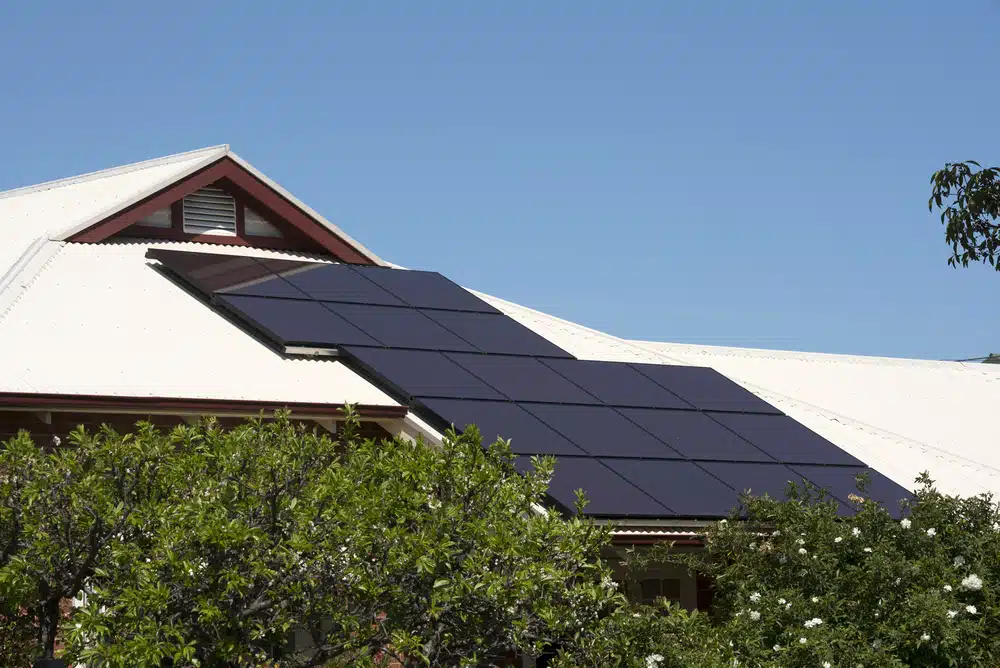
Australia is leading the world when it comes to solar penetration through rooftop PV systems on homes. Reducing our electricity bills is the number one reason people are turning to this renewable energy.
According to research conducted by Solahart, 71 per cent of people list cutting down their power bill as the leading motivator. Half of the respondents believe it is necessary for our future, and 38 per cent are motivated by living a sustainable lifestyle.
The eye-opening research included a range of facts, including:
- Australians aged 45-54 are most likely to install PV systems (as they have the funds and the property to do so).
- The available sun is not necessarily a factor. Adelaide leads the way, yet SA is just fourth on the list of average sunlight hours.
- Hervey Bay was our country’s leading postcode for harnessing the sun in 2020.
The case of South Australia is interesting, as it achieved the world record of producing enough renewable energy to cover all of its electricity needs twice in 2020. Solahart general manager Stephen Cranch said it was a case study on how strong government policy can underwrite successful renewable energy programs and uptake.

| State | Average sunlight hours per day in 2020 | Small PV system uptake in 2020 | Number of people with PV per 100,000 |
| New South Wales | 6.53 | 107,605 | 1318 |
| Queensland | 8.25 | 85,799 | 1655 |
| Victoria | 5.93 | 69,396 | 1039 |
| South Australia | 7.45 | 35,090 | 1982 |
| Western Australia | 8.65 | 47,152 | 1768 |
| ACT | 7.12 | 5344 | 1239 |
| Tasmania | 5.46 | 3245 | 600 |
| Northern Territory | 8.8 | 3087 | 1252 |
Commercial solar systems are lagging
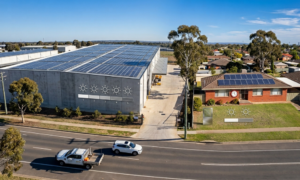
While the rooftop solar industry for homes around Australia is booming, the same cannot be said for the business sector. While 21 per cent of homes in our country have panels, less than five per cent of business have followed the same path.

Some states are doing better than others. New South Wales boasts 40,823 kW in power generated from solar systems, while Tasmania, the ACT, and the Northern Territory generate less than 5000 kW between them.
| Position | State | Power generated by commercial PV systems 10kW or higher |
| 1 | New South Wales | 40,823 kW |
| 2 | Queensland | 37,054 kW |
| 3 | Victoria | 23,081 kW |
| 4 | South Australia | 18,441 kW |
| 5 | Western Australia | 9137 kW |
| 6 | ACT | 1697 kW |
| 7 | Tasmania | 1547 kW |
| 8 | Northern Territory | 909 kW |
Source: Clean Energy Regulator
This has inspired some states to provide incentives for commercial solar systems in Melbourne, the most recent being Victoria’s rebates and grants for small business scheme. This provides rebates of up to $3500 for 15,000 businesses – which is also part of the state’s COVID recovery operations.
Would you like to discover the rebates and discounts available to install business solar? Our friendly team is happy to help and provide a free quote, no matter which state or territory you are in.