
If Hormuz Stays Shut, What Breaks First In Your Home?
Global oil shocks don’t stay global. This guide shows where your home is exposed and how electrification reduces your reliance on fuel-driven costs.

Global oil shocks don’t stay global. This guide shows where your home is exposed and how electrification reduces your reliance on fuel-driven costs.

Solar isn’t the risk in 2026. Acting on outdated advice is. Here’s how misinformation is shaping solar decisions and quietly affecting returns.

Many homes still rely on petrol generators during outages. Here’s why solar batteries are becoming the quieter, simpler way to keep your home running when the grid goes down.

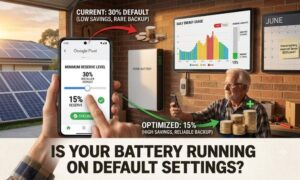
Most solar homes export power for 5c, then buy it back for 30c later. The real savings now come from when you use energy, not how much you export.

Australia holds weeks of fuel. Some homes now generate energy daily. As global supply tightens, the difference between relying on deliveries and producing your own starts to matter.

Most EVs can store enough energy to power a home, but your garage wiring might be the real bottleneck. Here’s a quick 5-minute audit to see if your home is bidirectional-ready.

Renters have long missed out on rooftop solar. Queensland’s new rebate for landlords could change that and potentially open the next major growth market for solar.

New solar connection rules start in Western Australia in May 2026. Here’s what the changes mean for homeowners planning to install solar this year.

Many everyday drives are only a few kilometres. Here’s why short trips can burn more fuel than you realise and how electric alternatives can quietly replace them.

Rising insurance costs are changing how Australians think about energy. Solar and battery systems are increasingly being considered not just for savings, but for resilience during power outages.