




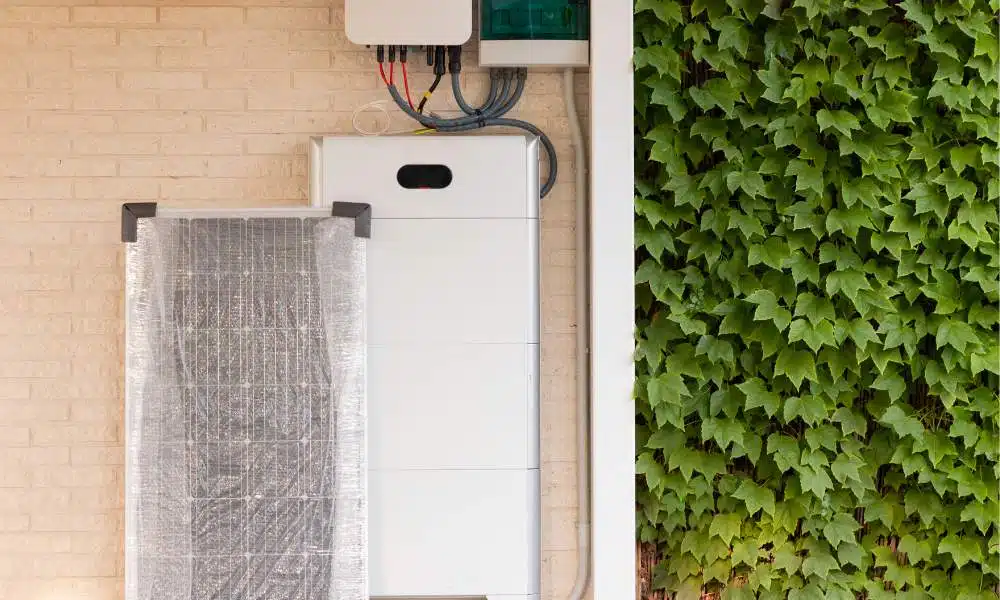
Expandable batteries are now a standard offer in Australia. Many systems are designed to let you start with a smaller capacity and add more later.
What’s less clear is that expansion isn’t guaranteed. It depends on a set of conditions that sit behind the system you install, such as hardware compatibility, inverter limits, network rules, and how your energy is priced.
Miss one of these, and adding capacity later becomes more complex, more expensive, or not possible at all.
Understand how battery expansion actually works
Most home batteries expand by adding extra modules to the original system. These modules are designed to stack or connect within the same product line, increasing total storage capacity without replacing the entire setup
That process only works when everything matches. The additional modules need to be compatible with the existing battery, use the same communication system, and operate within the limits set by the inverter.
This is where expectations can drift. “Expandable” doesn’t mean you can add any battery later. It usually means you can add specific modules from the same series, within a defined configuration.
Check whether the hardware will still be available
If you’re planning to expand later, don’t assume you’ll be able to find matching modules. Check it upfront.
Start with the product itself. As your installer:
- Is this battery model current or nearing phase-out?
- How long has this exact version been on the market?
Newer models are more likely to stay available for longer. Older or discounted systems are often closer to being replaced.
Next, check how expansion works for that specific system:
- Can you only add identical modules, or are newer versions compatible?
- Has the manufacturer confirmed backward compatibility across versions?
If the answer is unclear, treat expansion as uncertain.
Finally, ask about supply:
- Are additional modules commonly stocked in Australia, or special order only?
- What happens if modules are unavailable in a few years?
If the answer is “we’ll have to check later,” that’s your signal.
Expansion depends on being able to buy the right hardware at the right time. If you can’t verify that today, you shouldn’t rely on it later.
Confirm what your inverter can support
Before planning any expansion, check the limits of your inverter. This is what ultimately determines how much battery capacity your system can handle.
Start with the basics:
- What is the maximum battery capacity (kWh) the inverter supports?
- Is there a limit on the number of modules you can connect?
These limits are fixed. If you exceed them, expansion won’t be possible without replacing the inverter.
Next, ask how expansion is handled in practice:
- Can additional modules be added without reconfiguring the system, or does it require changes to settings, firmware, or wiring?
- Will adding capacity affect performance or charging behaviour?
Also, check the system type:
- Hybrid inverters often have stricter compatibility rules tied to specific battery brands
- AC-coupled systems can be more flexible, but still have capacity and integration limits
The key point: even if your battery is expandable, your inverter may not be. If the inverter caps your system early, expansion becomes a replacement decision.

Factor in network and export limits
Adding more battery capacity only improves outcomes if your network allows you to use that extra energy effectively.
Here’s what to check:
- Export limit on your connection: This sets the maximum you can send back to the grid. In some areas, this is as low as 1.5 kW.
- Type of export control: Static limits stay fixed. Dynamic systems, including those using CSIP-AUS, can reduce or stop exports during high solar periods.
- What happens after your evening usage is covered: Once your home demand is met, additional stored energy relies on exports to create value.
- How often exports are restricted: If curtailment is frequent, extra capacity may sit unused when it matters most.
- Future changes to network rules: Export conditions can tighten over time as more solar connects to the grid.
The key takeaway: More storage doesn’t automatically mean ore savings. It depends on whether your network lets you use or export that energy when it counts.
Check whether your tariff or retailer setup supports it
The value of a larger battery is ultimately set by how your energy is priced. Most households are on time-of-use tariffs. That means the main benefit of a battery comes from covering higher-priced evening usage. Once that window is already covered, adding more capacity doesn’t automatically translate into better savings. It just increases how much energy you can store, not how much value you can extract from it.
Exports don’t always close that gap. Feed-in tariffs (FiTs) are typically low and can change, so relying on exports to justify a larger system is uncertain. Even when higher rates are available, they are often tied to specific plans or conditions that may not apply long-term.
Programs like Virtual Power Plants (VPPs) can improve the equation, but they aren’t guaranteed. Access depends on compatibility, retailer participation, and how often your system is actually used by the program.
The result is straightforward. Expanding your battery only improves outcomes if your tariff and retailer setup reward that extra energy. Without that, additional capacity has limited financial impact.
Understand how timing affects all of this
All of these constraints don’t stay fixed. They change over time, and that directly affects whether expansion is still viable when you need it.
Battery models are updated or replaced. Inverters have fixed limits that don’t change once installed. Network rules can tighten as more solar connects. Tariffs and retailer offers are adjusted as pricing structures evolve. This means the conditions that make expansion possible today may not exist in a few years.
That’s the part often overlooked. Expansion is usually planned as a future step, but every factor it depends on is moving in the background. By the time you’re ready to add capacity, one or more of those constraints may have changed.
Make a decision that still works without expansion
Start with what your system needs to do today. In most cases, that means covering your evening usage window, when grid electricity is most expensive. Size your battery to handle that demand first, before thinking about future add-ons.
From there, treat expansion as optional. If it happens, it should improve an already solid setup, not fix an undersized one.
Focus on decisions you can control upfront:
- Choose a system with clear compatibility rules
- Avoid relying on future modules that aren’t guaranteed to be available
- Understand the limits of your inverter and connection from day one
This approach removes the pressure to get expansion right later.
If your system already delivers strong outcomes without needing to grow, any future upgrade becomes a bonus.


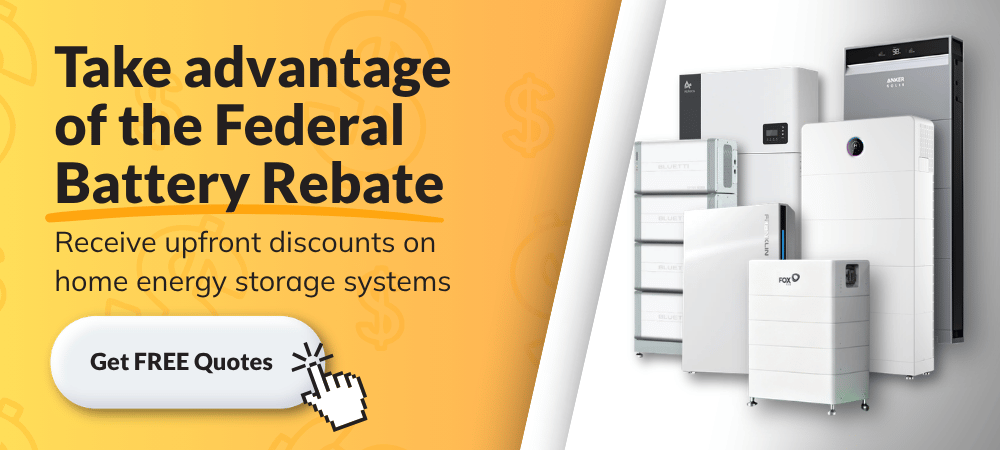


Build a system that works now
Expandable systems can add flexibility, but only if the conditions still hold when you need them. Hardware availability, inverter limits, network rules, and tariffs all play a role, and all of them can change. That makes expansion uncertain by default.
A more reliable approach is to size your system around today’s usage and pricing. If it performs well now, you’re not dependent on future upgrades to make it work. If expansion is still possible later, it improves the outcome. If not, nothing breaks.
Energy Matters has been in the solar industry since 2005 and has helped over 40,000 Australian households in their journey to energy independence.
Complete our quick Solar Quote Quiz to receive up to 3 FREE solar quotes from trusted local installers – it’ll only take you a few minutes and is completely obligation-free.