
What Still Runs on Fossil Fuels in Your House? Your BBQ
Your solar panels power the house all weekend. Then you fire up a gas BBQ. Here’s why electric outdoor cooking makes more sense for modern Australian homes.
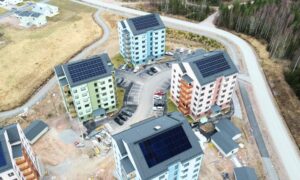
Victoria’s apartment renewables inquiry could do more than fix a local gap. It may provide the first workable blueprint for how Australian energy policy finally includes people who don’t live in houses.
Built in Hobart, the world’s largest battery-electric ship shows how Australian manufacturing survives by specialising in complexity, precision engineering, and clean-energy capability rather than chasing scale.

Australian solar buyers are moving beyond bargain installs, choosing right-sized systems designed around real energy use, long-term performance, and future flexibility rather than the lowest upfront price.

China’s export tax changes may slow falling battery prices, but for Australian households, rebates, installation timing, and how you use electricity still matter far more than overseas manufacturing costs.

Solar changes how air conditioning should be sized. Learn how to match cooling capacity with rooftop generation to stay comfortable without driving up grid usage.

Feed-in tariffs now vary sharply by state. With daytime export rates falling, solar savings increasingly depend on timing, self-consumption, and system design — not headline feed-in tariffs alone.

Australia’s biofuel focus is shifting away from ethanol blends toward drop-in fuels that can decarbonise aviation, freight, and industry using existing infrastructure.

Summer heat reveals how well your home solar battery was designed, exposing placement decisions that quietly shape performance, lifespan, and long-term value.

Australia’s energy transition isn’t following one blueprint. State-by-state grid choices reveal a future shaped by storage, decentralisation, and careful coordination rather than uniform targets.