
Solar panels have become increasingly popular for Australians seeking renewable energy sources to power their homes. With advancements in technology, the market now offers a variety of solar panels, each with unique features and benefits. Among these options, black vs blue solar panels have gained attention due to their distinctive characteristics and performance variances.
Ready to upgrade your solar panels and take your energy savings to the next level? Embrace the energy efficiency revolution by upgrading your solar panels, battery or solar inverters with Energy Matters.
With our 3 free solar quotes, you can compare plans from pre-qualified and vetted installers in your area and find the perfect solution for your home and business. Harness the sun’s power and save money on electricity bills while reducing environmental impact. Let Energy Matters guide you towards a brighter, more sustainable future.
The cell matters: Polycrystalline vs monocrystalline
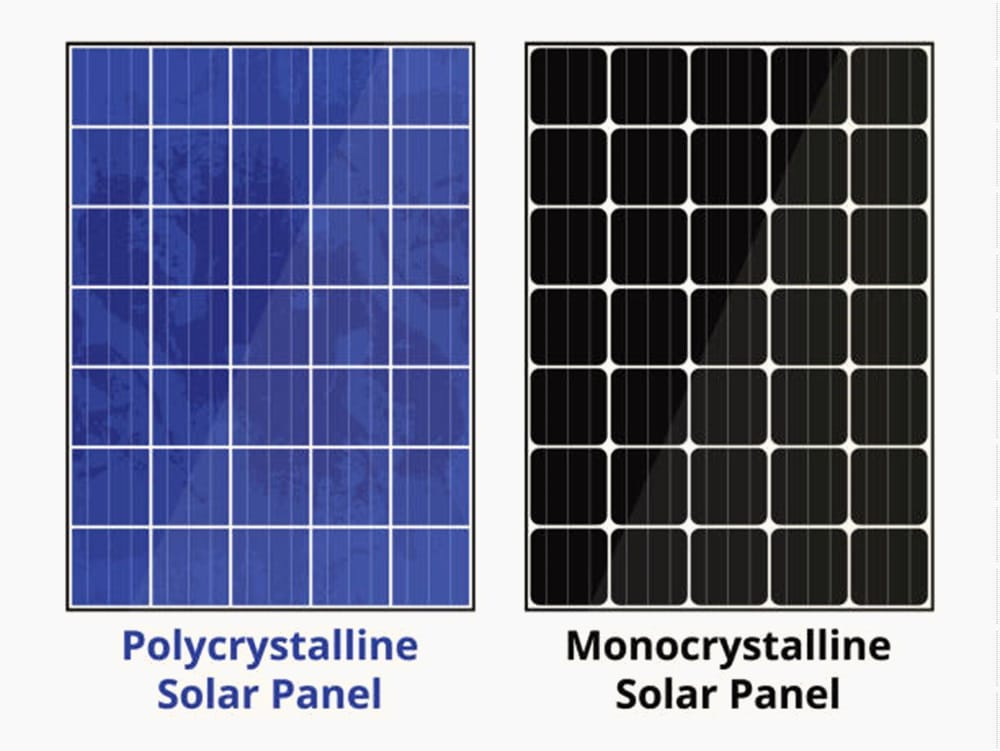
The true difference in colour stems from the underlying technology. Blue panels typically use polycrystalline silicon, formed from melted and cast silicon fragments. This creates grains and boundaries within the cell, making the light path less efficient.
Black panels, on the other hand, usually boast monocrystalline silicon grown from a single, pure silicon crystal. This results in a smoother, more efficient light path, leading to:
- Higher efficiency: Black panels typically convert 1-2% more sunlight into electricity than their blue counterparts.
- Better low-light performance: Monocrystalline cells perform better in cloudy or diffuse light conditions, a valuable advantage in the often unpredictable Australian climate.
- Sleek aesthetics: The uniform black finish offers a modern, unobtrusive look that blends seamlessly with most rooftops.
But blue has its advantages, too
- Lower cost: Polycrystalline panels are generally cheaper to manufacture, translating to a lower upfront cost for the homeowner.
- Space optimisation: Blue panels can be more space-efficient, requiring fewer panels to achieve the same energy output.
- Higher temperature tolerance: Polycrystalline silicon handles high temperatures slightly better than monocrystalline, though this becomes less relevant in most Australian regions.
Read more about Monocrystalline vs. Polycrystalline Integration With Energy Storage Systems.
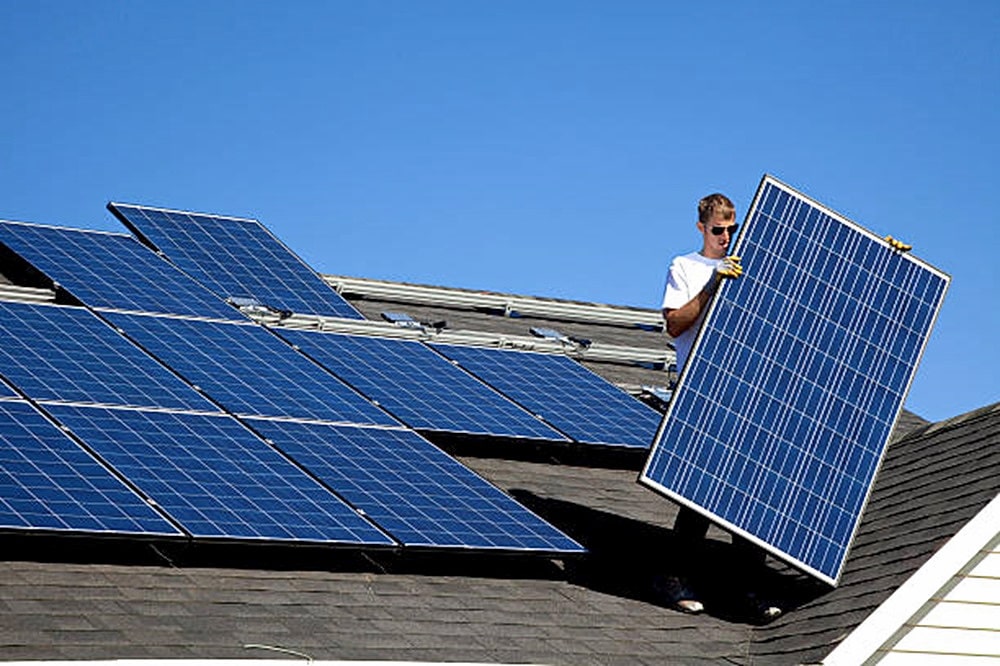
Experience a new level of energy savings with Energy Matters Marketplace – your one-stop shop for renewable energy products and more whether you’re looking for solar panels, battery storage or outdoor or indoor products.
Cost considerations: Balancing efficiency and budget
While black panels offer higher efficiency, they come with a higher price tag due to the more complex manufacturing process. Blue panels, with their simpler polycrystalline cells, are generally more affordable. This makes them an attractive option for budget-conscious homeowners prioritising initial cost savings over long-term energy production.
However, the higher efficiency of black panels can lead to faster payback periods. This means you recoup the initial investment through energy savings sooner, making them a potentially cost-effective choice in the long run.
Performance in the Australian sun: Heat and light matters
Australia’s sunny climate presents unique challenges for solar panels. With their superior light absorption, black panels perform better in low-light conditions. This can be beneficial in winter or overcast days. However, they can also experience higher temperatures, slightly reducing their efficiency in scorching summers.
Blue panels, with their reflective blue surface, tend to run cooler. This makes them a good choice for hot regions, although their efficiency might dip slightly in low-light conditions.
Aesthetics and visual impact
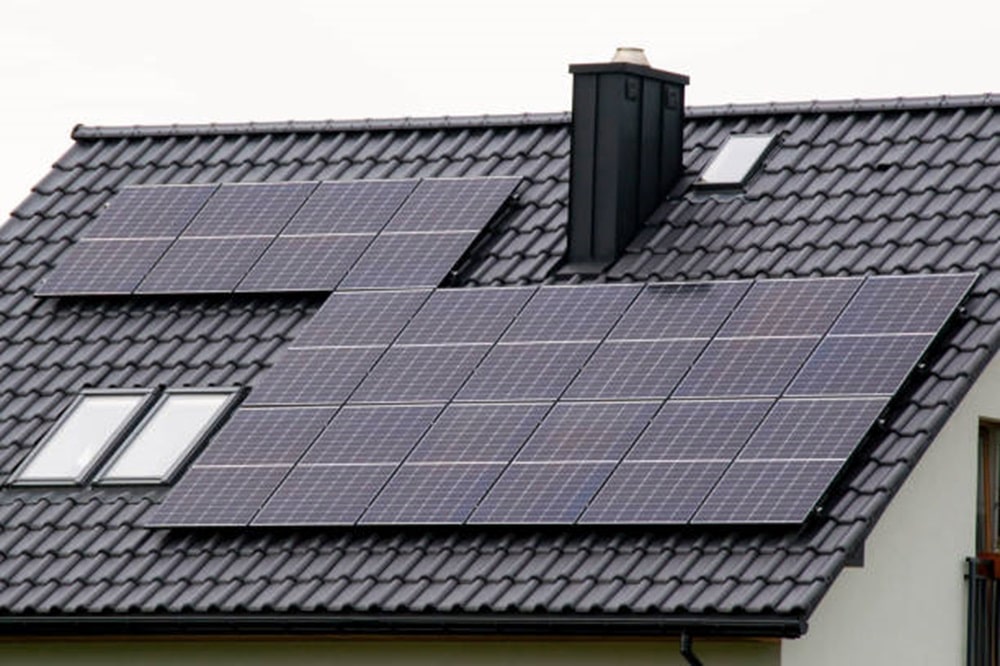
Undeniably, black panels offer a sleek and modern look, often blending seamlessly with dark roofs. With their traditional appearance, blue panels can be more noticeable on rooftops. However, aesthetics are subjective, and the choice ultimately depends on your personal preference and the style of your home.
Additional factors to consider:
- Warranty and lifespan: Both black and blue panels generally have similar warranties, with lifespans exceeding 25 years.
- Roof suitability: Consult with a solar installer to ensure the chosen panel type is compatible with your roof type and structure.
- Government rebates and incentives: Check with your state government for any subsidies for specific solar panel types or efficiencies. Read more about Solar Panel Rebate & Renewable Energy Subsidy Information.
Beyond black vs blue solar panels
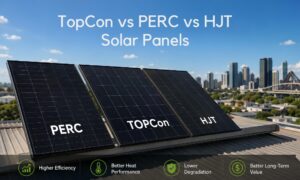
It’s worth noting that the solar landscape is ever-evolving. Newer technologies like PERC (Passivated Emitter and Rear Cell) cells can be incorporated into blue and black panels, further boosting efficiency. Additionally, hybrid panel options offering shades of black are emerging, providing more aesthetic choices.
| Feature | Black Monocrystalline | Blue Polycrystalline |
|---|---|---|
| Cell technology | Single, high-purity silicon crystal | Multiple, lower-purity silicon grains |
| Efficiency (%) | 18-22+ | 15-18 |
| Cost per Watt | Higher | Lower |
| Payback period (years) | Shorter | Longer |
| Performance in low light | Stronger | Weaker |
| Performance in a hot climate | Slightly weaker due to higher temperatures | Stronger due to lower temperatures |
| Aesthetics | Sleek, modern blends with dark roofs | Sleek, modern blends with dark roofs |
| Product warranty (years) | Typically 10-12 | Typically 10-12 |
| Lifespan and performance warranty (years) | 25+ | 25+ |
| Roof suitability | Compatible with most roofs | Compatible with most roofs |
| Australian government incentives | Varies depending on state and panel efficiency | Varies depending on state and panel efficiency |
The final verdict
Choosing between black and blue solar panels is a nuanced decision. While black panels offer superior efficiency and long-term benefits in most Australian contexts, cost and space constraints might necessitate blue. Understanding your specific needs and budget will help you navigate the solar spectrum and make the most informed choice for your Australian home.
Ultimately, the best choice between black and blue panels in Australia depends on your individual priorities and circumstances. Weighing factors like cost, efficiency, performance in the Australian climate, aesthetics, and government incentives will help you make an informed decision that maximises the benefits of solar power for your home.
Remember: Regardless of colour, choosing high-quality panels from reputable installers is crucial for ensuring optimal performance and longevity. So, soak up the sun, compare your options, and power your future with the right solar shade.
There’s no one-size-fits-all answer. Consulting a qualified solar installer who understands your specific needs and roof conditions is crucial to ensure you maximise your solar investment.
By demystifying the differences between black and blue solar panels, you can confidently choose the option that best illuminates your path towards a sustainable and energy-efficient future in sunny Australia.
Check our page for our recommended solar panel products.
Why choose Energy Matters?
Navigating the world of solar can be overwhelming. Energy Matters has helped over 40,000 Australians find the perfect renewable energy solution. Whether you want the sleek look of black panels or the budget savings of blue, we connect you with trusted local installers.
Are you ready to slash your power bills? Get your free solar quotes from Energy Matters today! Our nationwide network ensures you get the best tech for the best price.