






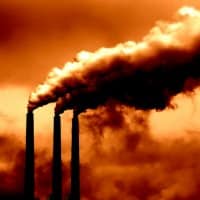
New Zealand is increasingly making the switch to a renewable energy future, announcing that 2018 will mark end of coal-fired power in the Land of the Long White Cloud.
The country’s last two coal-burning electricity generators at Genesis Energy’s Huntly Power Station will be shut down in December 2018, saving around 5,000 kilotonnes (kt) of carbon dioxide emissions each year – or five per cent of New Zealand’s total greenhouse gas emissions.
The company had been given notice by the government as early as 2009 that the era of coal was coming to an end; as Kiwis became more energy conscious and to give fossil fuel generators time to consider investments in more sustainable power solutions.
“The development of lower cost renewable generation, principally wind and geothermal, investment in the HVDC link, and relatively flat growth in consumer and industrial demand for electricity have combined to reinforce the decision to retire the remaining Rankine units, which will deliver further operational efficiencies to Genesis Energy,” said Genesis Chief Executive Albert Brantley.
Energy Minister Simon Bridges said the decision by Genesis was a “sign of the times”, and long term investment in renewable resources meant New Zealand no longer required base-load coal-fired power.
“Historically coal has played an important role in ensuring the security of New Zealand’s electricity supply, particularly in dry years where our hydro-lake levels are low,” he said. “But significant market investment in other forms of renewable energy in recent years, particularly in geothermal, means that a coal backstop is becoming less of a requirement.”
In 2014, New Zealand’s share of renewable energy generation nationally stood at a staggering 80 per cent, the fourth largest share of clean energy in world. This compares to an average of 22 per cent among OECD nations (of which Australia is a part).
In the lead-up to December’s UN Climate Change Conference in Paris, nations are scrambling to lock in emissions targets beyond 2020.
New Zealand’s announcement to quit coal by 2018 plus a national goal of having 90 per cent renewable energy by 2025 rivals U.S. President Barack Obama’s ambitious Clean Power Plan mandating a national reduction in carbon dioxide emissions by 32 per cent from 2005 levels by 2030.
Back home, the Australian Government has just announced it plans to cut carbon emissions by 26 per cent below 2000 levels by 2030 – a target that hasn’t impressed.