




Do electric cars perform poorly in winter weather in Australia? It is a common question among drivers considering an electric vehicle (EV). Many worry that electric cars will struggle when temperatures drop.
The good news is that electric cars do not perform poorly in winter weather. They continue to operate well, although colder temperatures can reduce driving range and charging speed. Understanding these effects can help drivers get the best from their EV.
Are you looking to eliminate your home energy costs completely this winter? Get up to 3 free solar quotes from Energy Matters today to find the perfect setup for your home and electric vehicle. Choosing the right system size ensures you have ample excess power to keep your vehicle charged even on overcast days.
Powering up your EV with solar
If you’re thinking of buying an EV, adding an EV charger to your solar system is a smart way to “fuel” your car with clean, renewable energy.
Why does temperature affect electric cars
Electric vehicles (EVs) rely on lithium-ion batteries to store power. These batteries depend on liquid chemical reactions to convert energy back and forth. When the weather gets cold, those internal chemical reactions slow down. This increases the internal resistance within the cells.
As a result, the battery cannot release energy quite as easily. The car must work harder just to move. At the same time, your car needs extra energy to keep the cabin comfortable. Petrol and diesel cars use the waste heat from their burning engines to warm the interior for free. Because EVs are highly efficient, they produce little waste heat. They must draw power directly from the main battery pack to run the heater, which naturally reduces your total range.





Do electric cars perform poorly in winter weather?
To answer clearly: no, they do not perform poorly, but they do experience a temporary drop in overall efficiency. The impact depends heavily on where you live in Australia.
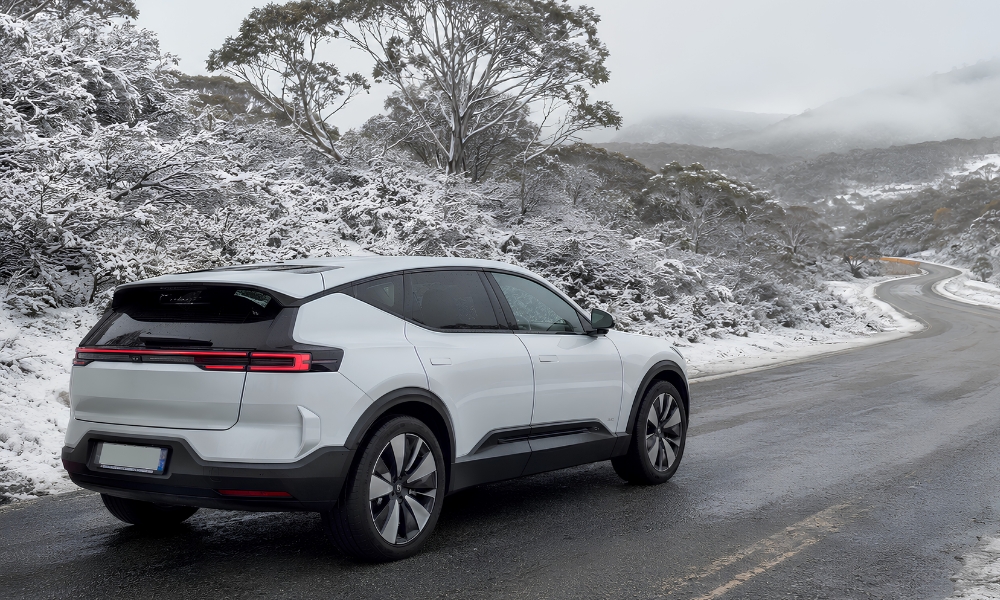
In most capital cities, such as Sydney, Brisbane, Adelaide, and Perth, winter ambient temperatures rarely drop low enough to cause severe battery issues. However, if you live in Tasmania, the mountain regions of Victoria, or the snowy parts of New South Wales, you will notice a change.
According to data from the Electric Vehicle Council, a cold battery pack simply has to work a bit harder. When temperatures float between 4°C and 10°C, you can expect a minor range loss of around 10% to 15%. In truly freezing alpine conditions below 0°C, that loss can approach 20% or 30%. This is not permanent damage. The moment the weather warms back up, your electric car will return to its full standard range.
Key factors that lower winter efficiency
Understanding what sucks the power from your battery helps you avoid getting caught short on a road trip. The main issues boil down to three main categories:
1. Cabin climate control
Running a standard resistive cabin heater at full blast is the single largest drain on the winter range. It can consume several kilowatts of power every single hour, pulling that directly away from your driving motors.
2. Slow regenerative braking
When a battery is too cold, the car’s smart onboard computer will limit regenerative braking. This is done to protect the cells from being forced to charge quickly when they are cold. This means you do not harvest as much free energy when slowing down in city traffic.
3. Lower tyre pressure
Cold air is denser, which means your tyre pressure will naturally drop as the ambient temperature falls. Driving on under-inflated tyres increases rolling resistance on the asphalt. This small change makes the motor draw more power to keep the car cruising at highway speeds.

Smart winter driving tips for EV owners
You can easily combat these winter losses with a few clever operational habits. Modern electric vehicles come packed with smart features designed to cheat the cold weather.
- Rely on heated seats: If your car has them, use the heated seats and heated steering wheel instead of cranking up the main climate control fan. Heating your body directly uses only a fraction of the energy required to heat the entire cabin volume.
- Use your car’s Eco Mode: Most models come with a dedicated winter or eco mode. This limits sudden acceleration and optimises power distribution to save energy.
- Keep your tyres topped up: Check your tyre pressures once a month during winter. Keeping them at the factory specification keeps rolling resistance low and saves range.
- Precondition your vehicle: Use your smartphone app to turn on the car heater while the vehicle is still plugged into your home wall charger. This warms up the cabin and the battery using grid power instead of your precious battery storage.
Use Energy Matters’ easy-to-use solar power and battery storage calculator to determine the size of your solar system with storage! Our solar calculator will generate performance information and potential savings.
We can send this information to 3 of our pre-vetted, trusted local installers in your area so they can provide obligation-free solar quotes and take the first step toward true energy independence!

Charging in cold weather: What to expect
Cold temperatures can also slow down charging — especially DC fast charging. When a battery is cold, its internal resistance rises, making it harder to accept a rapid charge.
Research from Idaho National Laboratory found that cold weather can slow charging speeds by nearly three times compared to moderate conditions.
However, most modern EVs now warm their battery automatically before reaching a fast charger, helping reduce this effect.
Home Level 2 AC charging (7–22 kW) is less affected by cold and remains reliable in Australian winter conditions. If you charge overnight at home, you’ll typically wake up to a full battery ready to go.
Frequently asked questions (FAQs)
Do electric cars lose a lot of range in Australian winters?
In most of Australia’s major cities, winter range loss is modest, typically 5–15%. Only in alpine or highland areas will you see reductions of 20–30%. With good habits like preconditioning and using seat heaters, the impact on everyday driving is minimal.
Are EVs safe to drive on icy or wet roads?
Yes. EVs often handle very well in slippery conditions thanks to their low centre of gravity and available AWD systems. Like any vehicle, fitting quality tyres suited to your conditions is the most important factor. Snow chains apply in alpine zones regardless of your powertrain.
Can I charge my EV normally in cold weather?
Yes, though charging may be slightly slower in very cold conditions. Home overnight charging via a Level 2 charger is reliable year-round. For long trips, allow a little extra time at fast chargers and use your car’s preconditioning feature to warm the battery first.
Are modern EV batteries better in winter?
Yes. Battery technology continues to improve. Manufacturers are also developing new battery technologies that promise stronger performance in cold conditions. Modern electric vehicles increasingly include:
- Heat pumps.
- Improved battery management systems.
- Improved battery chemistry.
- Advanced thermal controls.
Check our page for our recommended electric vehicles and EV chargers.
Does cold weather permanently damage EV batteries?
This is a common concern, and the answer is reassuring. The range loss you experience in cold weather is temporary. Once temperatures rise, your EV’s range returns to normal. Cold-weather driving alone causes no lasting harm.
Repeatedly fast-charging a very cold battery can cause longer-term degradation. Allowing your battery to warm up before rapid charging, either by driving or using the car’s preconditioning system, helps protect long-term battery health.

The verdict: Do electric cars perform poorly?
Do electric cars perform poorly in winter weather in Australia? In most cases, no. Australian winters are relatively mild, and modern EVs are designed to handle cooler conditions with ease.
If you’re considering solar, battery storage, or EV charging solutions, Energy Matters can help you maximise your savings and accelerate your journey towards cleaner energy. Get FREE solar quotes today and speak with Energy Matters’ trusted solar experts to find the right solution for your home.
Sources and References
- Electric Vehicle Council of Australia: Extreme Weather and Battery Performance Report
- NRMA Driving Guides: Taking Your EV to the Snow and Alpine Regions