


EnergyMatters.com.au – The Residential Solar Power Experts
Many people are a little wary of hooking up a residential solar power system; much of the hesitation due to the jargon involved which can get a little confusing. Terms like “photovoltaic cells”, “solar cells” pop up – what’s the difference? Then there’s batteries to consider; or is there?
Setting up residential solar power probably isn’t as complex as you think – and you may not even need batteries!
Solar vs. Photovoltaic cells
Lets take a look at these terms. What exactly is a photovoltaic cell and a solar cell – is there any difference? No, these terms describe exactly the same thing!
Photovoltaic” simply means converting light into electricity (photo = light, voltaic = electricity). A photovoltaic cell, also known as PV cell, is just a more technical term for a solar cell.
A solar cell is made of a positive and a negative wafer of silicon placed under a special type of glass that’s resistant to variations in temperature and a degree of flexing.
When a solar cell is exposed to sunlight, this stimulates electron activity. In a solar panel, there are usually around 36 photovoltaic cells (called an array) connected by wires that capture these electrons – then when connected to a circuit, a DC electrical current is created.
This current is routed through wiring from the panel of solar cells into either a solar regulator (charge controller), which regulates charge to the batteries, or sent directly into a power inverter that converts the current from DC to AC – ready for use in the home.
That’s it – residential solar power systems are quite simple and have no moving parts, so they are durable and require little maintenance! Many solar power systems set up in the 1970’s are still working well today!
So now when someone starts rambling on about photovoltaic cells at a party, you can nod sagely and fully understand what they are referring to.
Batteries or not?
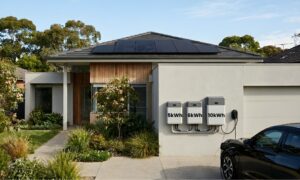
As mentioned, in some systems batteries aren’t required if the type of setup you have installed is what’s known as “grid connect“. All this means is that electricity generated by the solar cells isn’t stored in your home and you are still connected to a mains supply.
If the electricity generated by the solar/photovoltaic cells is not immediately required by your appliances or surplus electricity is being produced, it’s routed back into the mains supply grid. If you’re not producing enough for your needs; the deficit is just drawn from the grid – it’s a seamless process that doesn’t require your intervention. By the way, your electricity utility doesn’t get that surplus electricity you generate for free; it’s metered and usually will appear as a credit on your next bill – this is called “net metering”.
In some countries, the surplus electricity generated by a grid connect residential solar power system is worth more than the market rate, so some people actually get paid by their electricity utility! This is called a feed-in tariff system.
One of the very few drawbacks of grid connect residential solar power is when there’s a blackout, you’ll be in the same boat as your neighbors. During a blackout, the inverter will switch off to avoid damage to your equipment and to prevent electricity back feeding into the mains supply.
If you absolutely need 24/7 reliable power, then a battery backup system is something to consider. Batteries are also often a very economical option for those people living in remote areas where getting connected to mains supply is difficult. In fact a battery based residential solar power setup, known as a SAPS (Stand Alone Power System) or off grid system can often be far cheaper; particularly since so many governments are now offering rebates on stand alone residential solar power equipment.
What type of batteries?
Some people try using car batteries for solar power storage – but this is at best a short term solution. Car batteries simply aren’t designed for constant draw and deep discharge over very long periods. Deep cycle batteries are the best choice as these have been specifically developed for constant charging and recharging over a period of years.
There are several deep cycle battery types – flooded, gel and AGM batteries. The latter two are probably the best choice as the electrolyte (acid) in these batteries is immobilized. Gel batteries have silica added and AGM batteries have glass mats inserted between the lead plates to achieve this.
This immobilized acid means the batteries are safer to use as there’s no spills or off-gassing (gases from batteries are highly flammable) and increases their serviceable life.
Ask an expert and save a bundle
If you’re planning on investing in a residential solar power setup for your home; before you start forking out cash on solar cell panels, deep cycle batteries and bits, it really pays to talk to an expert in the field about your particular needs. They can recommend the right equipment to suit your requirements and will know what residential renewable energy rebates you can take advantage of. A brief consultation with a residential solar power expert can save you a lot of headaches and literally thousands of dollars!