
One of the major challenges of the hybrid and pure-play electric vehicle industry is battery size and weight. A considerable amount of energy is required just to lug an electric or hybrid vehicle’s deep cycle batteries around. This means shorter range, less available power and speed and more charging required.
If a vehicle is being charged through coal-fired power generation sources, it increases the carbon emissions impact of a vehicle, or in the case of solar power – more solar panels are required.
But what if you could use existing components of a vehicle to act as a battery without adding to its weight?
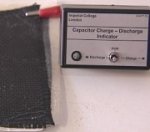
Researchers from Imperial College London are developing a prototype carbon fibre material that can store and discharge electrical energy and is strong and lightweight enough to be used for car components. The material could potentially be used for the casings of many common appliances such as mobile phones and computers, eliminating the need for a separate battery.
The material being developed is made of carbon fibres and a polymer resin with the properties of being about to store and discharge large amounts of energy more rapidly than conventional batteries. The material does not use chemical processes, making it quicker to recharge than conventional batteries and without the degradation of capacity over time that traditional deep cycle batteries experience.
The scientists are initially planning to improve the material’s existing mechanical properties by growing carbon nanotubes on the surface of the carbon fibres, which should also increase the surface area of the material, improving its capacity to store more energy.
The researchers will then further develop the composite material so it can be used to replace the metal flooring in a car boot, or wheel well. Volvo is investigating the possibility of fitting this wheel well component into prototype hybrid cars for testing purposes. Replacing a metal wheel well with a composite one could enable Volvo to reduce the number of batteries needed to power the electric motor, leading to up to 15 per cent reduction in the car’s overall weight, which should significantly improve the range of future hybrid cars.