The 2035 Ban Isn’t Here But Petrol Cars are Getting Harder to Choose
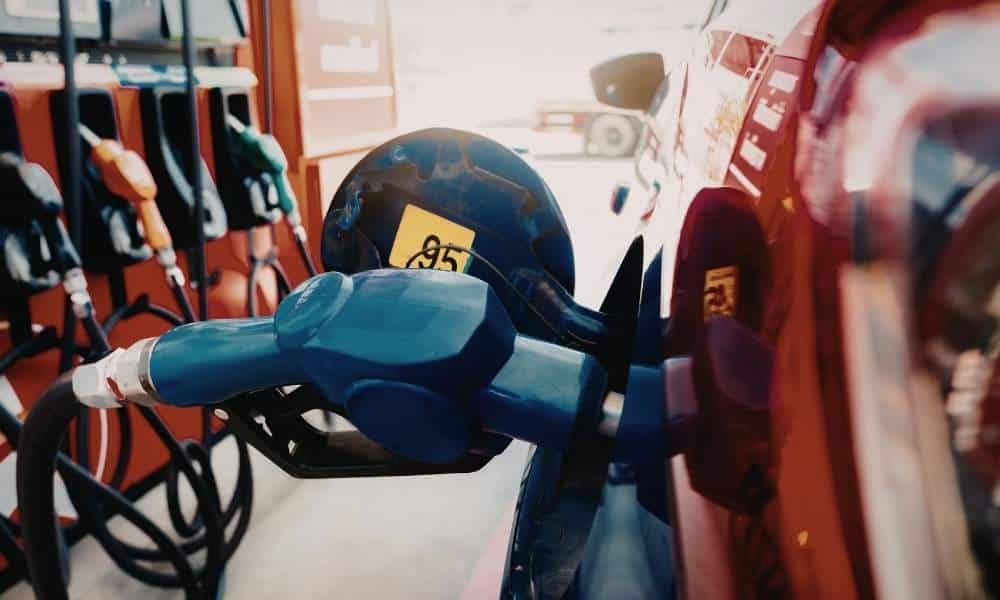
Petrol cars aren’t banned, but rising costs, NVES pressure, and better EV options are quietly reshaping the market, making ICE vehicles harder to justify in 2026.
Are Batteries Still Worth it From May 1?

Take control of rising energy costs with home batteries. Even as rebates taper from May 1, savings, energy security, and independence still make batteries worth it.
The 6pm Problem: Why Solar Homes Still Pay Peak Prices

Solar homes still pay peak prices at 6pm. The issue isn’t generation. It’s timing. Here’s why shifting when you use your solar matters more than ever.
Bidirectional Charging vs Home Battery: Which Makes More Sense?
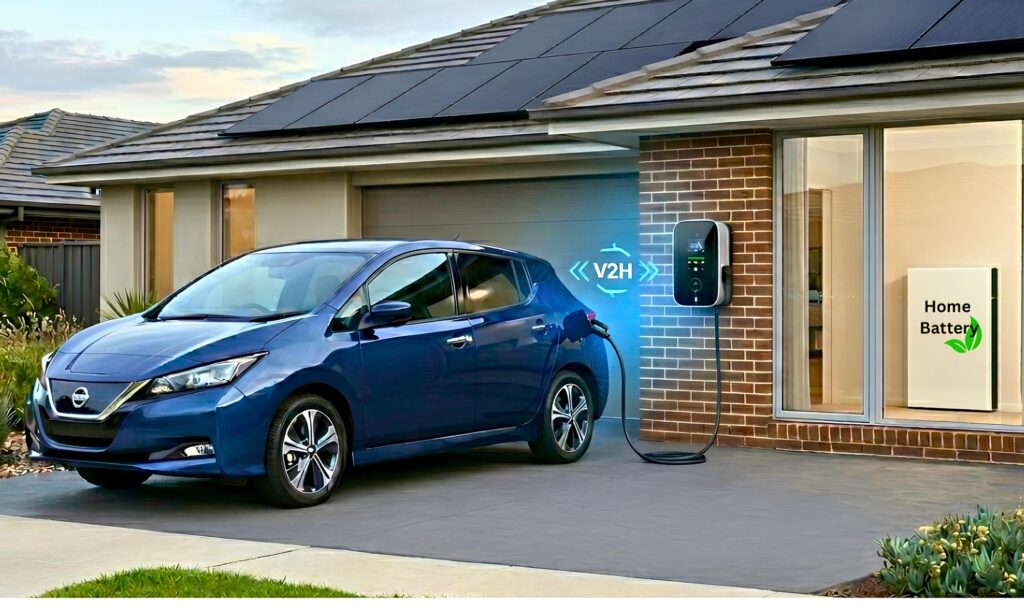
Bidirectional charging vs home battery Australia: Compare savings and benefits of V2G Australia and vehicle to home solutions.
LONGi Tour 2026: Inside Solar Manufacturing and the Foundations of Trust
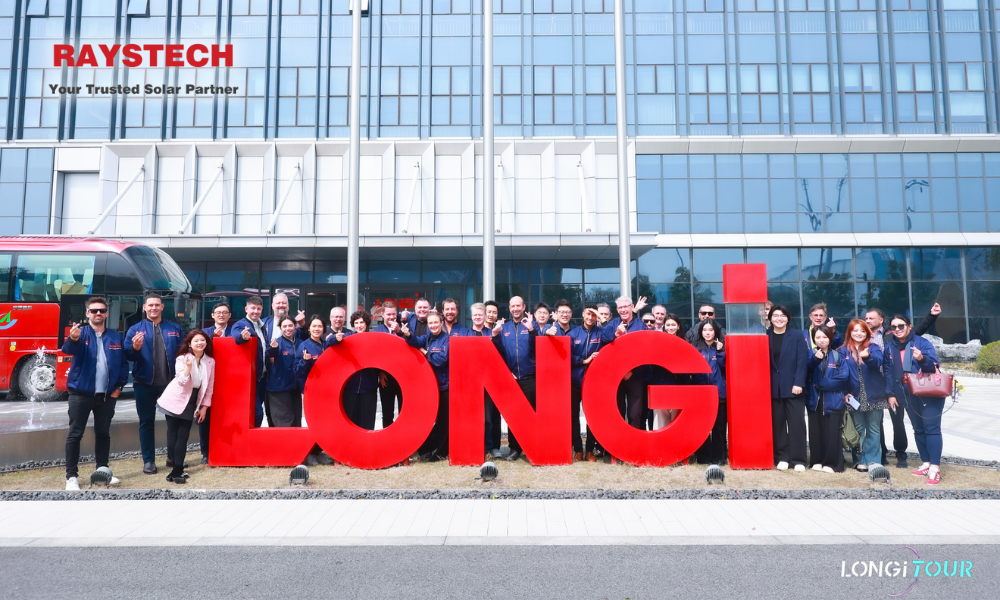
Inside LONGi Tour 2026, Raystech and Australian partners explore solar manufacturing, R&D, and real-world performance shaping trust.
BLUETTI FridgePower Launches as Ultra-Slim Backup for Fridges and Essential Loads
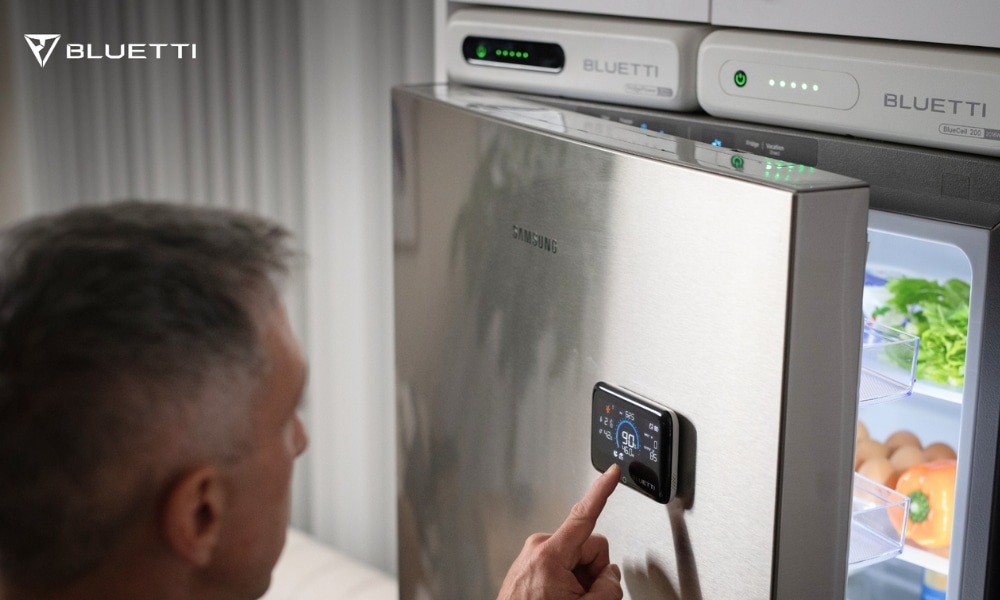
Ultra-slim and built for tight spaces, BLUETTI’s FridgePower delivers efficient, reliable backup to keep your fridge and essentials running during outages.
The Solar Decision Ahead of May: Upgrade Your Panels, Inverter, or Both
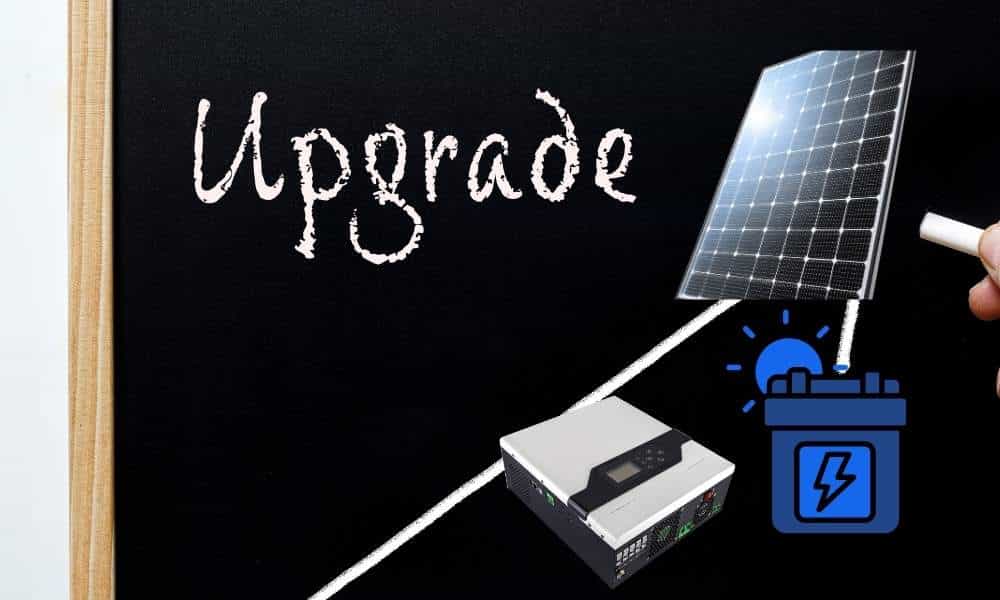
Adding a battery in 2026? Check if your panels, inverter, or entire system need upgrading before May changes increase costs and limit your options.
The Hidden STC Problem: What Happens When Solar is Removed Too Soon?
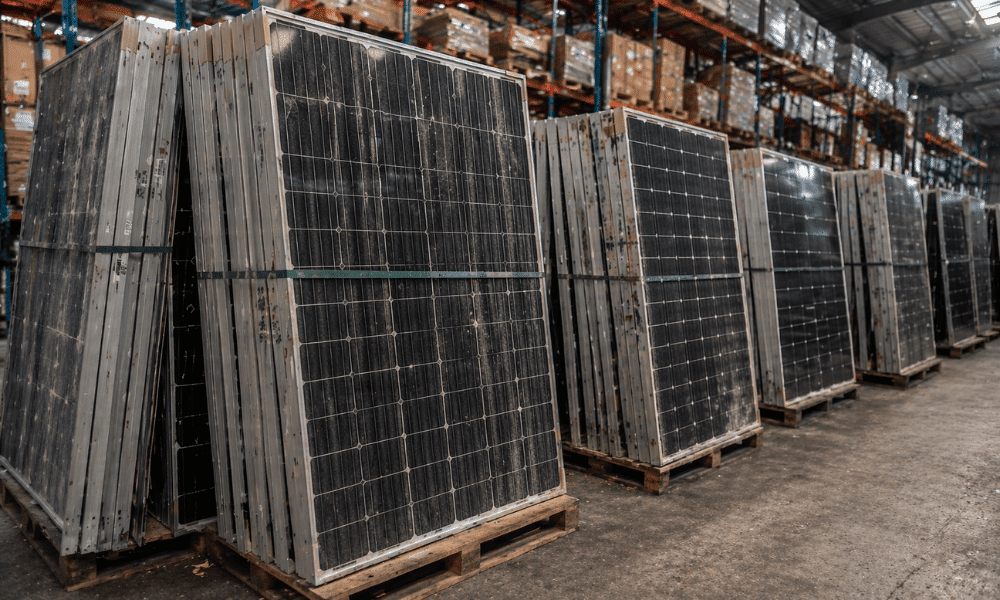
Australia’s STC scheme assumes solar lasts years. But what happens when systems are removed early and that promised energy is never produced?
The Reality of Charging an Electric Vehicle at Home Day to Day
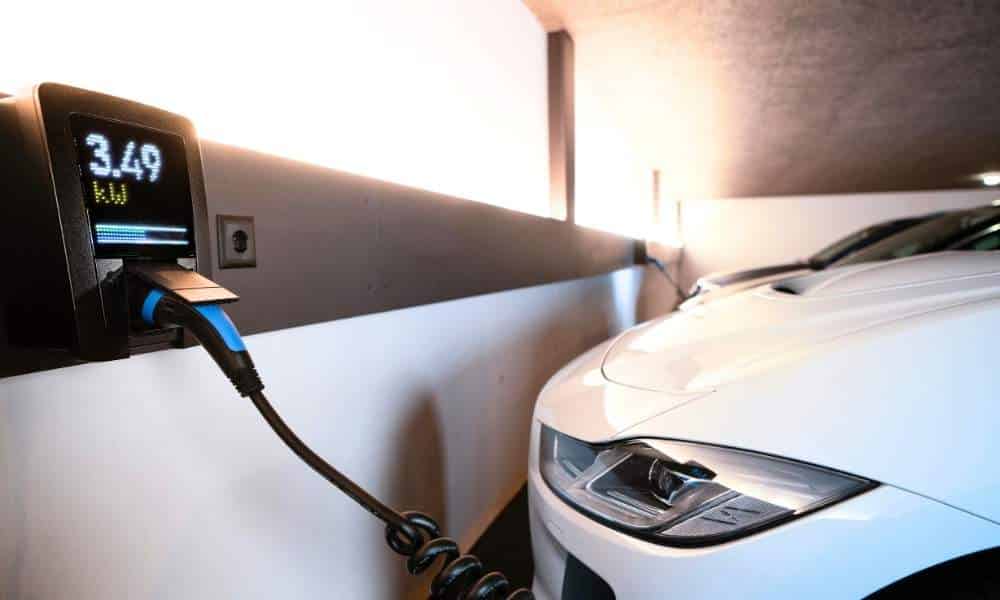
Charging an EV at home shapes convenience, cost, and practicality. The right setup depends on daily use, parking time, and how well charging fits into everyday routines.
Will Australia Learn Its Lesson? What Our Fuel Shortage Has Taught Us
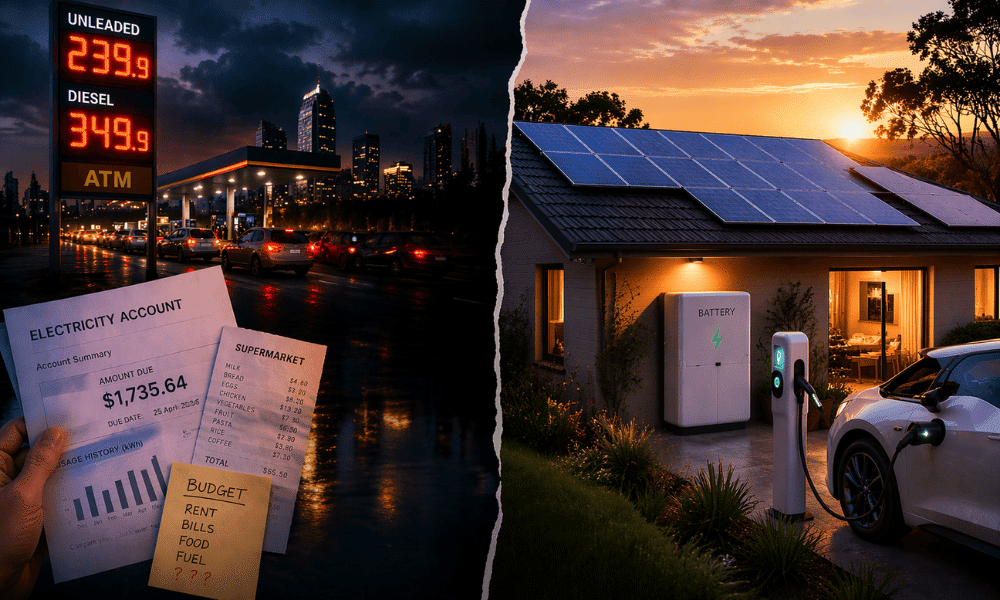
Australia’s “lucky country” status is under pressure as fuel, housing, and energy costs rise, exposing cracks but also sparking a shift to cleaner solutions.