





NSW homeowners can now borrow up to $15,000 at zero per cent interest for home energy upgrades, repaid over 10 years. Applications opened this morning.
The government has allocated $480 million for the loan scheme, enough for 32,000 households at the maximum amount.
Premier Chris Minns framed it plainly: “For many households, the upfront cost of these upgrades has simply been too high.”
What is available and who qualifies
The loan is open to NSW homeowners with a combined household income of $210,000 or less.
Cash subsidies of up to $4,000 are available separately for concession card holders and households earning under $80,000 per year. Those payments cost taxpayers $77 million and begin later this year. The government recommends applying for the cash first, then using the loan to cover what remains.
Renters can access both, provided their landlord approves the upgrade.
What it covers
The eligible upgrades cover solar panels, batteries, and switchboard upgrades, as well as ceiling insulation, draught-proofing, double glazing, solar hot water heaters, reverse-cycle air conditioners, induction cooktops, EV chargers, and DC ceiling fans.
Most of the upgrades a NSW homeowner would consider are on the list, including the ones that tend to be deferred because they cannot all be afforded at once. A single loan can cover a package of upgrades rather than forcing separate decisions over separate years.
The numbers after federal rebates are applied
The NSW loan sits on top of existing federal incentives, not instead of them.
A household installing a 6.6 kW solar system and a 10 kWh battery pays roughly $18,000 to $22,000 before rebates.
The federal STC rebate comes off at the point of sale: roughly $1,500 to $2,500, applied automatically by the installer.
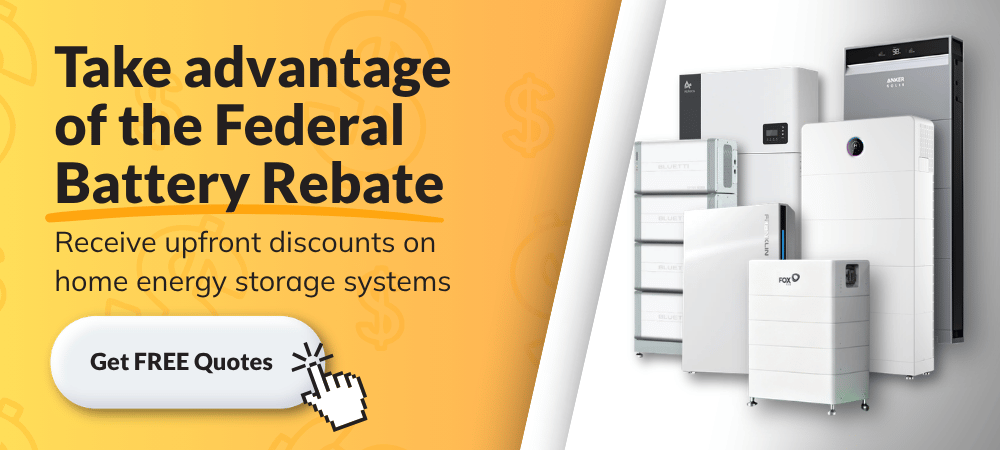
The federal battery rebate under the Cheaper Home Batteries Program applies at approximately $244 per kWh for the first 14 kWh of capacity: roughly $2,440 off a 10 kWH battery.
After both federal rebates, the remaining cost sits at roughly $14,000 to $18,000. The $15,000 NSW loan covers most or all of it at zero per cent interest over 10 years.


Act now or wait
For households earning under $80,000, the cash subsidy is worth waiting for before committing. The government recommends applying for it first and using the loan to cover what remains, but the start date has not been confirmed. If electricity costs are pressing, the loan alone is available now.
For everyone else earning up to $210,000, the loan is open today. The federal battery rebate tapers every six months and will be worth less in January 2027 than it is now. More than half of NSW homes already have solar, and 13,000 batteries are being installed each month nationally.
For households that have been waiting on the cost, the combination of schemes available right now is the strongest it has been.