


Whether you’re considering installing rooftop solar panels or already have them, you’re probably wondering if they can do more than convert sunlight into electricity. One of the most common questions is whether a rooftop solar array can help with the roof’s insulation.
The answer is that rooftop solar panels do provide a degree of insulation. Let’s find out why.
The link between solar and insulation
The diverse climate of Australia ranges from scorching summers to chilly winters. This underscores the importance of insulation in maintaining indoor temperatures. Insulation acts as a barrier, preventing heat transfer between the interior and exterior of a property. It is even more critical in regions with extreme temperatures, such as the outback or the country’s southern regions.
Insulation works by slowing down the movement of heat through walls, ceilings, and floors. Fiberglass, rock wool, and foam boards are commonly used for insulation. In summer, insulation keeps a property’s interior cool by preventing heat from penetrating; in winter, it retains warmth by inhibiting heat loss. This thermal resistance reduces the need for heating and cooling systems system significantly. This leads to lower energy consumption and decreased utility bills.
How solar panels and insulation work together
As mentioned, solar panels generate energy by harnessing sunlight. However, their efficiency can be affected by extreme temperatures. This is where insulation comes into the picture:
- Temperature regulation: Insulation helps stabilise indoor temperatures, reducing the strain on heating and cooling systems. As a result, it delivers a more consistent and moderate operating environment for solar panels.
- Minimise energy loss: Insulated homes experience less energy loss, ensuring that the electricity generated by solar panels is efficiently used within the property instead of escaping through poorly insulated walls or roofs.
- Enhanced performance: Solar panels are more efficient when they operate within a specific temperature range. When you insulate your home, the panels can function in an environment conducive to optimal performance. This results in an increased energy production.
- Reduced dependency on the grid: When you have a well-insulated home with solar panels, you can significantly decrease your reliance on the grid. It becomes even more beneficial during peak energy demand periods.
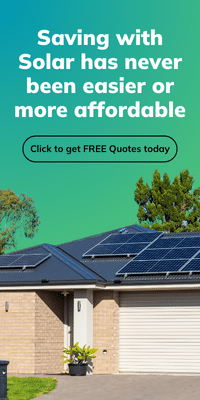
To further optimise your home’s energy efficiency, consider exploring solar solutions from Energy Matters. We offer a range of solar options tailored to your needs. Click the button below to find out more and receive free solar quotes.
How does installing solar help with insulation?
Rooftop solar panels provide a level of insulation.
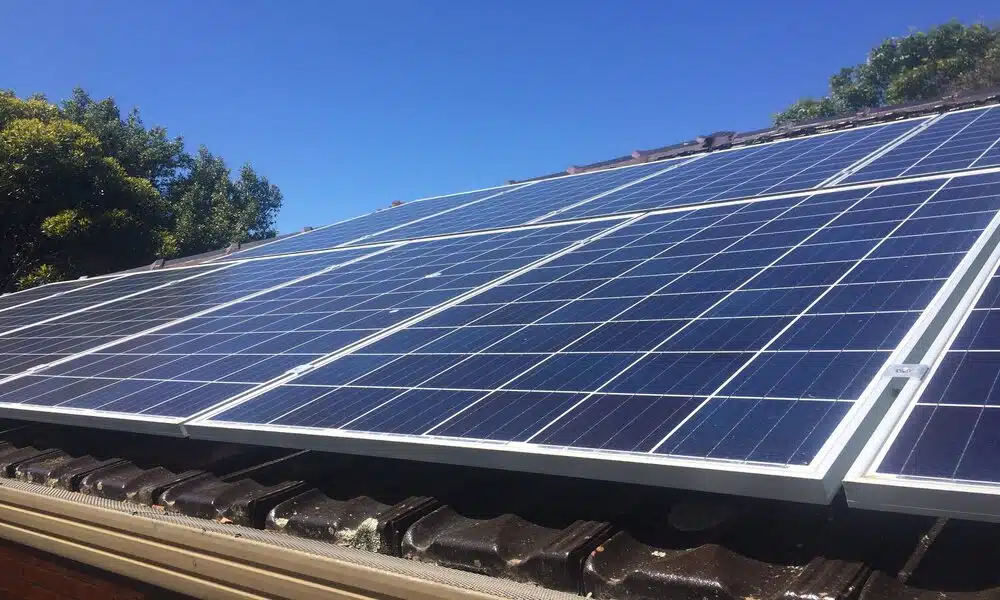
The solar panels provide a physical cover and reduce the heat energy your roof absorbs. Think of your solar panels as a “shade” on your roof. The difference is that this type of shade covers the top of your home 24/7, reducing the roof’s overall surface temperature.
A study by the University of California San Diego revealed that solar panels could reduce the roof’s surface temperature by up to 38 per cent. Much of the heat absorbed by your rooftop solar panels is removed by a convection current, which is air movement in the space between the panels and the roof. As air travels between the solar panels and roof materials, the heat is minimised. This leads to reducing the overall temperature of the roof cooling your home.
For those with tilted rooftop solar panels, you get a bigger space between your solar panels and the roofing exterior compared to other types of solar arrays. It creates a more extensive channel where air can travel between the panels and the roof.
Considering the insulation benefits of rooftop solar panels, exploring solar options with Energy Matters can be worthwhile. Our expertise in solar solutions may offer insights into optimising your home’s energy efficiency. By seamlessly integrating solar technology, you not only contribute to sustainability but also potentially enhance the thermal performance of your dwelling.
To delve deeper into the possibilities without any commitment, you can get FREE solar quotes from trusted solar installers in your area.
The bottomline
The synergy between solar energy and insulation is a beacon of sustainable living in Australia. However, it’s important to remember that solar panels only provide a certain degree of insulation and must not be fully relied upon to deliver total insulation capacity for your home. It’s best to speak with reputable solar installers in your area to determine the best solar system to provide you with optimal energy output and insulation.
Energy Matters has over 18 years of experience in the solar industry and has helped over 40,000 Australian households in their journey to energy independence.
Complete our quick Solar Quote Quiz to receive up to 3 FREE solar quotes from trusted local installers – it’ll only take you a few minutes and is completely obligation-free.