


Do you want to go solar but you can’t install panels on your roof? Or maybe, you live in an apartment, or the upfront cost of a home solar system feels out of reach. If any of these sound familiar, then community solar could be the perfect solution for you.
Community solar projects are all over Australia, and they offer a way for people to tap into clean, renewable energy without the hassle of individual installations. A shared solar farm benefits multiple participants in this project, which impacts the environment positively and can potentially lead to electricity bill savings.
What is community solar?
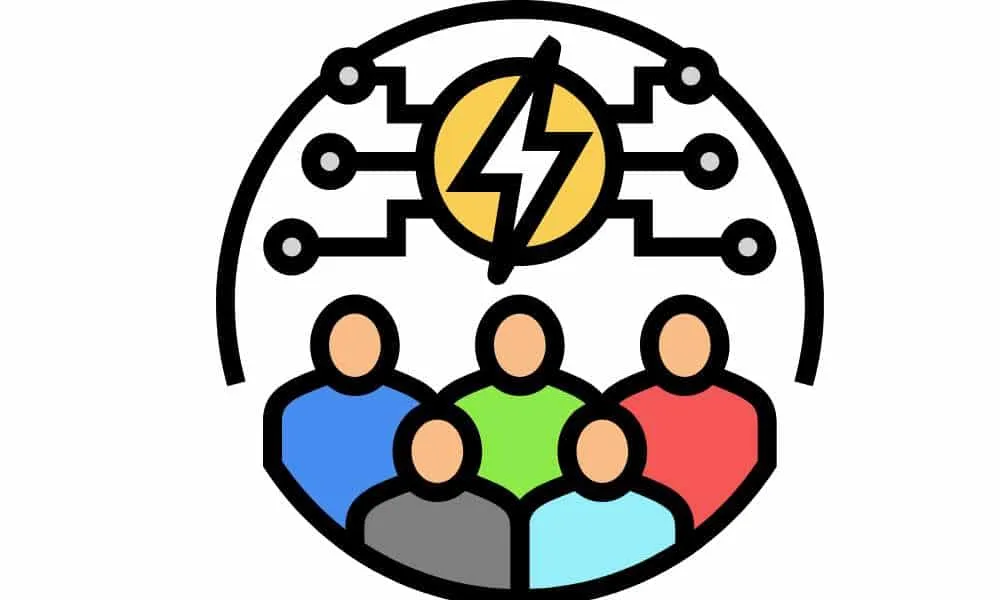
Community solar, also known as shared solar or solar gardens, is a solar energy project or group of projects whose electricity is shared by more than one household. This model allows individuals, businesses, and other organisations to access solar energy without needing to install panels on their own property. Instead, participants can subscribe to a portion of a larger solar array located in their community or region. This setup is especially beneficial for those who rent, have unsuitable roofs, or lack the financial means for individual solar panel installation. By participating in community solar projects, members receive credits on their electricity bills for the power generated, supporting renewable energy adoption and reducing overall utility costs.


What are community solar projects?
Community solar projects are collaborative renewable energy systems in which multiple stakeholders—residents, businesses, or councils—share the benefits of a single solar installation. Instead of each household installing its solar panels, participants subscribe to a portion of a shared solar farm.
These projects typically generate electricity that is fed into the grid. Subscribers receive credits on their electricity bills, based on their share of the system’s output. It’s a practical, inclusive way to engage in Australia’s green energy future.
Who can get involved in local solar energy projects?
Community solar isn’t just for homeowners. Anyone can participate, including:
- Renters and apartment residents
- Small businesses seeking sustainable solutions
- Schools and not-for-profits wanting to reduce operational costs
- Councils and local governments supporting green development
- Environmentally conscious investors aiming for ethical portfolios
In short, local solar energy projects offer an entry point for almost everyone to access solar energy benefits.
Why are community solar initiatives gaining popularity?
There are several reasons why community solar initiatives are gaining traction across Australia:
- Accessibility: Ideal for renters, apartment dwellers, or those with shaded roofs.
- Affordability: Reduces upfront costs compared to individual installations.
- Scalability: Participants can buy or lease shares based on energy needs.
- Environmental impact: Increases renewable energy production in local communities.
With rising electricity costs and increased environmental awareness, shared solar programs are helping bridge the solar accessibility gap.
The benefits of community solar for Aussies
Why should you consider plugging into a community solar project? There are many benefits, and the key ones are below:
Accessibility
Community solar breaks down the barriers that prevent many from accessing solar energy. It’s a game-changer for renters, apartment dwellers, and those whose roofs aren’t suitable for individual panel installations. With it, you can participate in the clean energy transition even if you don’t own your home or have the ideal roof.
Cost savings
Subscribing to a portion of the solar farm’s output enables you to receive credits on your electricity bill. This can mean lower overall energy costs. The exact savings will vary depending on the project and your energy consumption, so it’s necessary to understand the specifics before you commit.
Environmental impact
Supporting community solar is an effective way to reduce your carbon footprint and contribute to a cleaner energy future. Doing so helps you shift away from fossil fuels and towards renewable energy sources, playing an important role in tackling climate change.
Community engagement
Community solar projects can create opportunities for community members to come together and support sustainable initiatives in their area, strengthening local ties and promoting environmental stewardship.
Simplified solar
Perhaps the most convenient benefit is the sheer simplicity of community solar. You get all the advantages of solar energy without any of the hassles. No need to worry about installation, maintenance, or repairs. It’s a stress-free way to make a positive impact and benefit from clean energy.
Types of community solar models
In Australia, community solar projects come in various forms, each with its own structure and participation model. Understanding them is key to choosing the right project for you. Below are the most common models:
· Subscription model: This is the most straightforward model—think of it like subscribing to a service. You subscribe to a share of the solar farm’s output, essentially “renting” a portion of its generating capacity. In return, you get credits on your energy bill that reflect your share of the solar farm’s production. These credits offset your regular electricity consumption, leading to potential savings. The subscription typically involves a regular fee, and the amount of credit you get depends on the amount of solar energy generated and your subscription size.
· Cooperative/ownership model: In this model, you become a member or part-owner of the solar farm itself. This usually involves a larger upfront investment, as you’re buying a stake in the project. As a co-owner, you share in the benefits generated by the solar farm, which may include financial returns or a greater share of energy credits. This model provides a stronger sense of ownership and involvement but also comes with greater responsibilities and potentially more complex arrangements.
While subscription and cooperative models are currently the most common, other models are starting to emerge. One is virtual net metering, which allows multiple households in a building or community to share the benefits of a single solar system. These newer models provide possibilities for the future of community solar, but they may not be as widely available yet.
How to find community solar projects
Finding projects in your area is the first step. Here’s how you can start your search:
· Government resources: Australian state and federal governments are increasingly supporting community solar initiatives. Start by checking the websites of your state’s renewable energy agency or environment department. These resources often provide information on available projects, grants, and support programs for community energy. The Clean Energy Council (CEC) website is another valuable resource for information on renewable energy initiatives across the country.
· Community energy groups: Local community energy groups are passionate advocates for renewable energy and usually play a key role in developing and promoting community solar projects. They are a great source of information and can connect you with projects in your area.
· Local councils: Many councils are actively involved in promoting sustainability and may have information on local community solar initiatives.
· Directly contacting developers: Some solar developers specialise in community-scale projects. Researching and contacting them can be another avenue for finding opportunities in your area.
Asking the right questions
Before committing to a community solar project, do your due diligence and ask the right questions.
Project specifics:
· Location and size: Where is the solar farm located, and what is its generating capacity? A larger project might provide more benefits, but proximity to your location can also be a factor.
· Technology: What type of solar panels are being used? Understanding the technology can give you insights into the project’s efficiency and longevity.
Costs and contracts:
· Upfront costs: Are there any upfront costs associated with joining the project, such as subscription fees or membership fees?
· Ongoing fees: Are there any ongoing fees or charges? Understand the full cost structure before you sign up.
· Contract terms: Carefully review the contract terms, including the length of the agreement, any exit clauses, and your responsibilities as a participant.
· Payment structure: How are payments made, and what are the payment options?
Energy production and credits:
· Energy generation estimates: What is the estimated energy production of the solar farm?
· Credit calculation: How are solar energy credits calculated and applied to your electricity bill? Get clear examples of how the credit system works.
· Credit value: How is the value of the solar energy credits determined? Is it tied to the retail electricity rate?
· Metering and monitoring: How is the energy production measured and monitored? Will you have access to data on the project’s performance?
Community and developer information:
· Community benefits: Beyond individual savings, what are the broader community benefits of the project? Does it support local jobs or community initiatives?
· Developer reputation: Research the developer’s experience and track record in developing and managing community solar projects.
· Project management: Who is responsible for managing the project, and what is their experience?
Other important considerations:
· Insurance and liability: What insurance coverage is in place for the project?
· Maintenance and repairs: Who is responsible for maintaining and repairing the solar farm?
· Dispute resolution: What is the process for resolving any disputes that may arise?
Community solar offers a compelling pathway for Australians to embrace clean energy, reduce their carbon footprint, and potentially save money on their electricity bills. It’s a particularly attractive option for those who can’t install solar panels on their own properties, such as renters or apartment dwellers. But beyond the individual benefits, community solar also strengthens local communities and contributes to a more sustainable energy future for the nation.
If you’re intrigued by community solar’s possibilities, now is the time to take the next step.