


Australia is no stranger to the challenge of plastic waste. Despite our best efforts with yellow-lidded bins and earnest recycling habits, a worrying amount of our plastic ends up in landfill or worse, the ocean. And while we’ve made strides in household recycling, many industries – especially those dealing with food and drink packaging – have been slower to shift.
But the tides are turning. One startup is proving that smart, scalable recycling can work within tight margins, right in the heart of Australia’s dairy industry. Meet Popit, as seen in Episode 7 of Energy Matters.
The ugly truth behind milk bottle recycling
Let’s start with a cold splash of reality. Most Aussies chuck their empty milk bottles into the recycling bin, assuming they’re given a second life. But the milk you grab off the supermarket shelf? It’s still bottled in virgin plastic; new, oil-based plastic that’s cheaper and easier for manufacturers to work with.
Recycling, as it stands, is expensive. According to Ed Vawdrey, co-founder of Popit, “the cost of recycled plastics is much higher than virgin or new plastic – about 40% more”. That cost difference is enough to stop many companies, especially in the low-margin dairy sector, from making the switch.
But Popit isn’t just talking about change. They’re engineering it, literally.
Popit’s big idea: Takeback recycling
Rather than relying on councils to collect and sort milk bottles, Popit’s approach flips the model on its head. Their solution is called ‘takeback recycling’, where milk companies collect their own used bottles directly from business customers; think cafés, corner stores, and other B2B buyers.
“These bottles come back via the delivery trucks that are already returning to the dairy,” Vawdrey explained on the Road to ZERO podcast Episode 75. “We then process them onsite using our proprietary machines.”
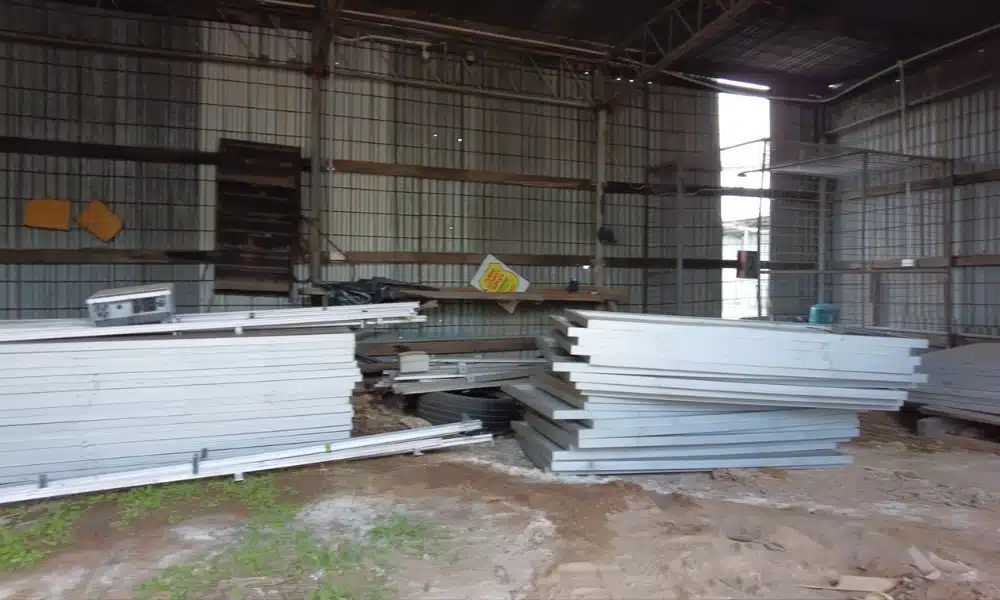
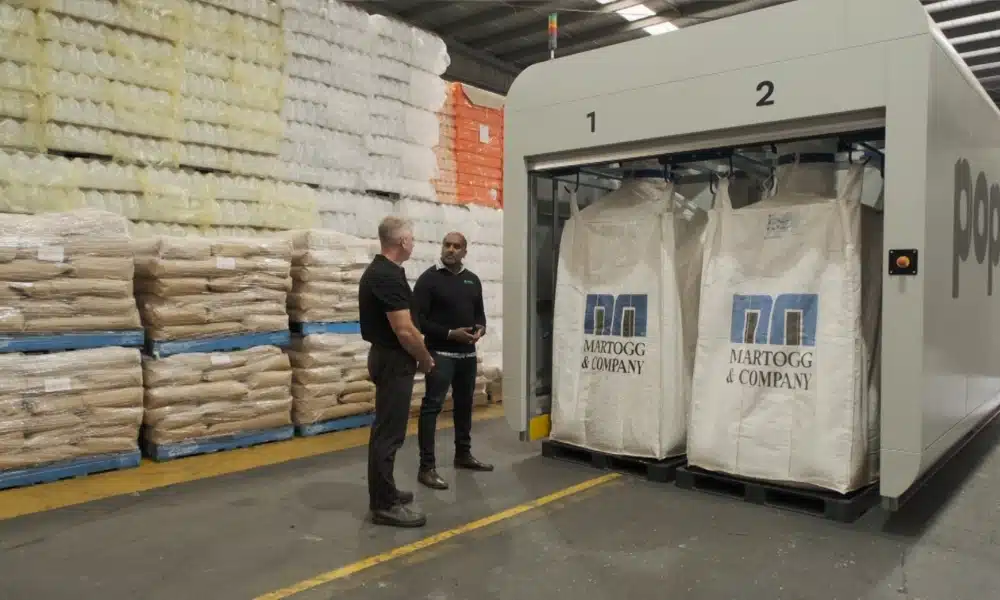
This process is cleaner, more controlled, and importantly, cheaper. The first unit, now running at Procal Dairies in Campbellfield, Victoria, turns returned milk and cream bottles into ‘rinsed flake’; small plastic chips that can be reused.
That’s just step one. A second unit will refine these flakes further into a food-grade material called ‘hot caustic wash flake’, suitable for manufacturing new milk bottles. It’s the holy grail: circular packaging that keeps plastic in use and out of the bin.
Why the dairy industry is ground zero for this change
If you’re wondering why Popit chose dairy first, the answer is simple: volume and vulnerability. Milk bottles are used daily, they’re bulky, and they pile up fast. For dairies, any cost saving, even a few cents per bottle, can make or break profit margins.
“I really learned how fine the margins are in the dairy industry,” said Energy Matters host Roshan, reflecting on his visit to Procal. “Every cent or fraction of a cent makes a huge difference”.
By keeping recycling in-house, dairies not only lower costs but also take direct responsibility for their environmental footprint. That’s no small feat.
How much recycled content can milk bottles contain?
Right now, Australia has no recycled plastic content in milk bottles. But thanks to Popit, that’s changing.
“The goal is to go to 20 or 30 per cent recycled plastic in milk bottles,” said Vawdrey. “There is an upper limit, though. HDPE, the plastic used in milk bottles, isn’t as mature in recycling terms as PET. But we believe we can get to 80 per cent eventually”.
Even starting at 20% is a major leap forward for an industry that, until now, has been stuck in the past.
Big tech, small footprint
One of the cleverest parts of Popit’s model is the size of its technology. Traditional recycling plants are massive, centralised operations. But Popit’s machines are small and modular, deliberately so.
“Our machines are a fraction of the size and a fraction of the cost of traditional recycling plants,” said Vawdrey. “And each time we deploy one, it gets smaller and smarter”.
The long-term dream? A future where ‘Popits’ are as common as vending machines; compact units installed in shopping centres, commercial kitchens, or even public streets, making it dead-easy for anyone to recycle.
Beyond dairy: What’s next for Popit?
While the current focus is on the dairy industry, Popit’s tech is versatile.
“We’d love to see takeback recycling become the industry standard,” said Vawdrey. “But longer term, there’s huge potential to apply this model to other sectors; anywhere businesses deliver and pick up goods regularly”.
That includes industries like hospitality, cleaning products, food manufacturing, and even health care. Anywhere there’s a return loop, there’s a chance to close the recycling loop too.
The name says it all
The name ‘Popit’ isn’t just branding. It’s a verb. As Vawdrey put it: “Popit is the action, we want people to think ‘just pop it in’ when they use our machines”.
It’s a subtle shift, but one that hints at the future: a world where recycling isn’t a hassle or a cost, but part of everyday life.
Final thoughts: Innovation that actually works
Recycling needs more than good intentions. It needs clever design, commercial viability, and industry buy-in. Popit delivers all three.
As Vawdrey summed up, “What we hope we’re doing with Popit is giving people ideas. Energy efficiency, waste and recycling all need lots of innovation. Lots of solutions like Popit, and lots of pioneers like Procal to give them a go”.
Whether you’re a dairy drinker or not, this kind of practical, Aussie-made innovation is something we can all get behind.