




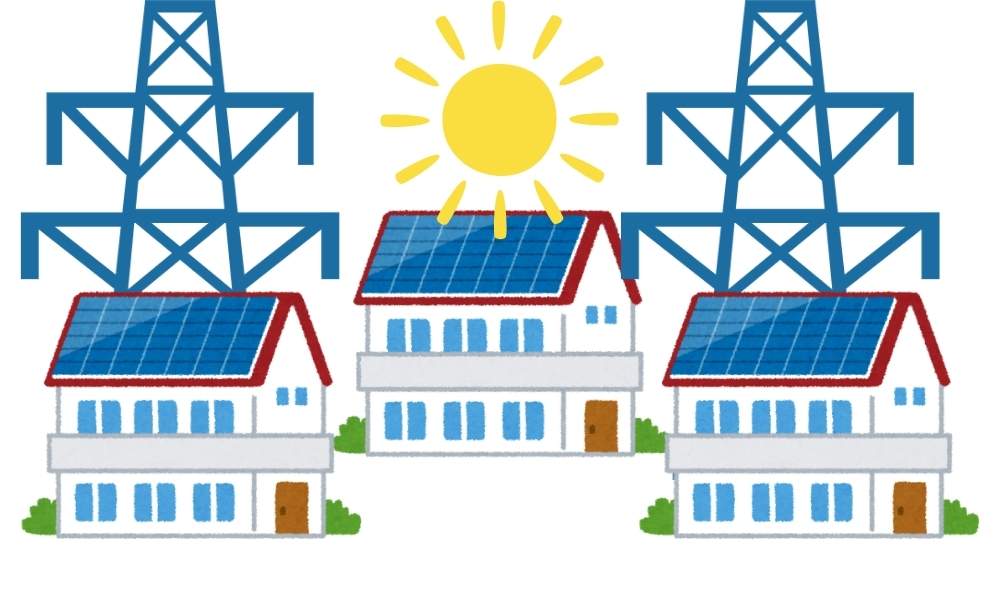
Virtual Power Plants (VPPs) were meant to be the next big leap in our clean energy future. The idea is simple enough: link thousands of household batteries together so they can share energy, support the grid, and help everyone save a little more. In theory, it’s a win for the planet and your power bill.
But for many, the promise hasn’t matched the pitch. Confusing contracts, unclear savings, and fine print that’s hard to find have left some homeowners feeling more suspicious than excited. It’s not unusual to hear people describe VPPs as “too good to be true,” or even a scam.
That reputation isn’t entirely fair, but it’s understandable. The concept itself is sound, the problem lies in how some programs are structured and sold. Before joining any VPP, it’s worth taking a closer look at what’s really on offer. This guide explains what VPPs actually do, why trust has become such a sticking point, and how to tell if a deal is genuinely built to benefit you, or just another sales pitch wrapped in green language.
What a VPP actually does
A VPP is essentially a network of home batteries that work together as one big power source. When hundreds, or even thousands, of households connect their solar batteries through smart software, the combined energy can be used to stabilise the grid, ease demand during peak times, and even supply power back when the grid is under pressure.
For homeowners, the idea is that your battery doesn’t just sit idle once it’s full, it can be used to earn extra income or credits. When demand spikes, your system may automatically discharge some stored power to the grid, and in return, you receive compensation or bill savings. In some models, your VPP operator might manage when and how your battery participates, based on what’s best for the network.
It’s a clever way of using distributed energy resources more efficiently. But the challenge lies in the gap between what’s promised and what’s delivered. Not all VPPs operate transparently, and not every household benefits equally. The technology itself isn’t the problem, it’s the business models and communication that determine whether a VPP truly works in your favour.
Why trust has become the missing link
For many, scepticism toward VPPs didn’t appear out of nowhere. It’s rooted in years of complicated billing systems, shifting Feed-in Tariffs (FiTs), and inconsistent promises from energy providers. Households that once trusted the solar industry to deliver straightforward savings have grown wary of new schemes that sound technical and too good to be true.
Part of the problem is communication. Many VPP offers rely on marketing buzzwords and vague projections like “potential bill savings” or “grid support rewards,” without explaining how those benefits are actually calculated. When reality falls short, it only deepens the perception that the system is rigged against the consumer.
There’s also a psychological barrier. Energy markets are notoriously opaque, and most homeowners don’t want to hand control of their battery to a company they don’t fully understand. If the terms are unclear or the risk sits entirely with the user, people will naturally opt out. Rebuilding confidence means making trust the foundation of every VPP offer.
Five warning signs your VPP deal might not stack up
While most VPP programs are legitimate, the details matter, and that’s where the difference between a smart choice and a costly mistake often lies. Before you sign up, it’s worth watching out for a few red flags that could indicate a poor or risky deal.
1. Unclear ownership and control
If you’re unsure who actually controls your battery once you’re enrolled, take a step back. Some VPP contracts give operators wide access to your system, including when and how energy is dispatched, with little say from you.
2. No guaranteed benefits
Be wary of vague language like “potential savings” or “estimated earnings.” A trustworthy program should clearly outline how you’ll be paid, when, and under what conditions.
3. Long lock-in periods
Some contracts tie households in for years with costly exit fees. Genuine providers allow flexibility, short terms, or reasonable opt-out options.
4. Hidden data rights
If you can’t access your battery’s performance data or don’t know who else can, that’s a red flag. Transparency around energy use and data sharing is essential.
5. Lack of independent verification
Reputable VPP operators can back their claims with independent audits or customer case studies. If performance reports or real results are hard to find, there may be a reason.
Spotting these signs early can help homeowners steer clear of programs that overpromise and underdeliver, protecting both your savings and your solar investment.

What a trustworthy VPP offer looks like
Not all virtual power plant programs are created equal. The best ones make it easy to understand how your energy is used, what you’ll gain, and what risks — if any — you’re taking on. A trustworthy VPP treats transparency as part of the service, not an afterthought.
A reliable offer starts with clear guarantees. Whether that’s a fixed credit rate, capped electricity costs, or a “no worse off” promise, the provider should spell out exactly how you’ll benefit and what happens if market conditions change. Avoid programs that shift all the uncertainty to the consumer.
Control and access are equally important. You should be able to see when your battery is charged, discharged, or used by the grid, and have a say in how it participates. Good VPPs give homeowners a clear view of their energy flows and full access to performance data.
Look for flexibility in contract terms, too. Trustworthy operators let you opt out or adjust your participation without heavy penalties. Many also publish third-party audits, performance results, and customer testimonials — strong signs they stand by their claims.
Ultimately, a good VPP is one that feels like a partnership. Both sides share the rewards and the responsibility, creating a model built on clarity rather than complexity.
How to protect yourself before signing up
Before joining a VPP, read beyond the brochure. The fine print tells you far more about what you’re agreeing to than any sales pitch ever will. Start by looking closely at ownership and control—who has the final say over your battery’s operation, how often it will discharge to the grid, and what happens if market conditions change. If those details aren’t clear, press for answers before signing anything.
It’s also worth comparing multiple offers. VPPs can vary widely in how they calculate payments, share savings, or define participation. Ask providers for examples of previous customer results or independent performance data to see whether their claims hold up in practice.
Regulatory bodies and consumer groups can also help. Checking whether your provider is accredited with the Clean Energy Council (CEC) or has received any complaints through the ACCC can reveal a lot about their reliability. And if you’re still uncertain, consider starting small—join a short-term or low-risk plan to see how the process works before committing to a multi-year contract.
VPPs have the potential to make Australia’s energy grid smarter and fairer — but only if households believe in them. The best protection isn’t avoiding new technology; it’s demanding clarity and accountability from the companies behind it. When transparency becomes standard, VPPs can finally live up to their promise of shared power, shared benefit, and shared trust.
Energy Matters has been in the solar industry since 2005 and has helped over 40,000 Australian households in their journey to energy independence.
Complete our quick Solar Quote Quiz to receive up to 3 FREE solar quotes from trusted local installers – it’ll only take you a few minutes and is completely obligation-free.