





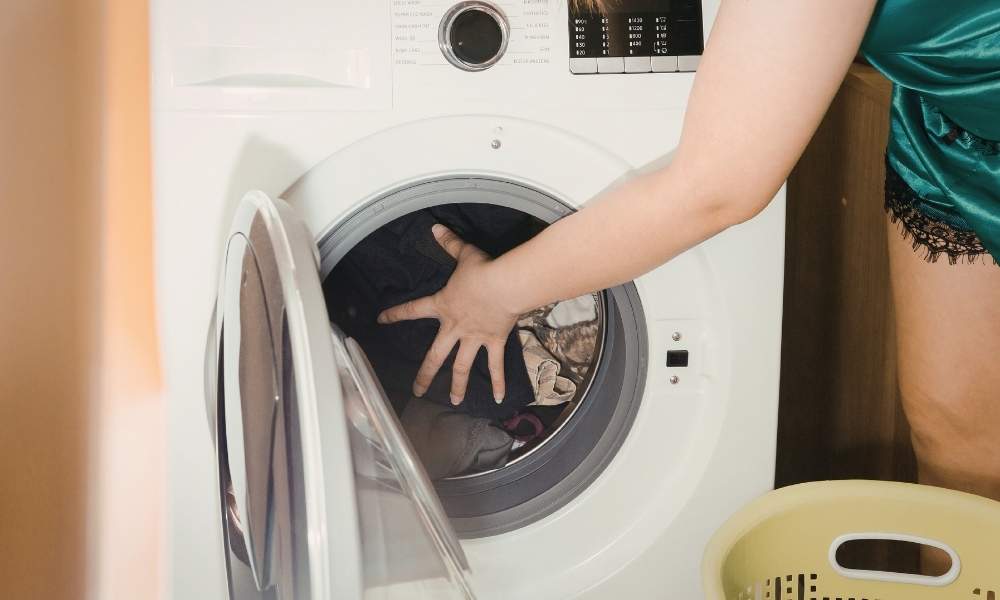
It sits in the laundry, plugged, and most people assume it’s already doing the right thing. After all, it runs on electricity. There’s no gas connection, no flame, and nothing obvious to question. But the clothes dryer is one of the most energy-hungry appliances in many homes, and for a lot of households, it’s still working in a way that wastes far more power than it needs to.
If you’re trying to run your home on solar and cut energy costs, the dryer is often the quiet problem hiding in plain sight.
How often the dryer is actually used
Dryers don’t feel like a major appliance because they’re used in short bursts. One load at a time, a cycle here and there. But across a week, those loads add up quickly.
In many households, the dryer runs multiple times a week, sometimes daily in winter or wet weather. It’s often switched on in the evening, after work, when solar has stopped producing, and electricity is coming from the grid.
Each cycle might seem small, but over months and years, drying clothes becomes one of the most consistent energy uses in the home.



Why traditional dryers waste so much energy
Most homes still use vented or condenser dryers, and both work in a fairly blunt way. They heat air using an electric element, blow that hot air through wet clothes, then dump the warm, moist air outside or condense it and pump the heat away. That heat is lost every single cycle.
The dryer has to keep reheating air again and again until the clothes are dry, which is why these machines draw so much power for such a routine task. In winter, they can also pull warm air out of the house and replace it with cold air, making nearby rooms harder to heat. Since this has been the default for decades, it rarely gets questioned. The dryer works, the clothes dry, and the energy cost stays hidden inside the power bill.
What heat pump dryers do differently
Heat pump dryers don’t constantly create and throw away heat. They reuse it. Instead of venting hot air or condensing and discarding the warmth, a heat pump dryer circulates the same air through the machine repeatedly, gently removing moisture from clothes while keeping the heat inside the system.
Because of that, they use far less electricity per load than traditional dryers. Drying takes a little longer, but it happens at much lower temperatures, which is easier on fabrics and reduces shrinkage and wear over time.
This is the moment the dryer stops being a necessary energy drain and starts looking like an appliance that can actually work with the rest of an efficient, electric home.
Why this matters if you have solar
Dryers are often used at the worst possible time for solar home—after work, at night, during wet weather. Exactly when your panels aren’t producing, and electricity is coming straight from the grid. A heat pump dryer changes that dynamic because it uses much less power per load; it becomes practical to run it during the day when solar is available, even if you’re only home on weekends. Some households also find they can run it on smaller solar windows without pulling heavily from the grid.
It turns clothes drying from a peak-time energy hit into a task that can quietly fit around your solar production, rather than fighting against it.
The trusted brands in Australia
Heat pump dryers aren’t coming from niche or unfamiliar manufacturers. They’re now standard options from the same brands Aussies already trust in their laundries.
- Bosch: Well known for reliable, efficient appliances, with heat pump dryers that focus on low energy use and fabric care.
- Fisher & Parker: Popular in Australian homes, offering heat pump dryers designed around everyday family use and laundry workflows.
- Westinghouse: A familiar, accessible option, often chosen for practical features and good value in mid-range heat pump models.
- Miele: Positioned at the premium end, with heat pump dryers known for longevity, precision drying, and low energy use.
- LG: Offers heat pump dryers with modern controls, large capacities, and strong efficiency ratings.
- Samsung: Widely available models that combine heat pump technology with smart features and a familiar design.
The key shift is normalisation. Heat pump dryers are no longer a specialist upgrade; they’re simply what most major brands now offer when you go looking for a new dryer.
When a traditional dryer can still make sense
There are situations where a vented or condenser dryer may still suit the way a household operates. Homes with limited space, very tight budgets, or older electrical setups may find traditional dryers easier to install in the short term. Some people also prefer faster drying times and don’t mind the higher energy use, particularly if the dryer is only used occasionally.
However, for households that rely on a dryer year-round, the trade-off is clear. Higher energy use becomes a permanent cost rather than a one-off inconvenience, especially in winter when loads increase.
The quiet energy hog in the laundry
The clothes dryer doesn’t look like a problem. It’s electric, familiar, and usually hidden away in the laundry. However, for many homes, it’s one of the most inefficient appliances still in regular use. It runs often, usually at night, and quietly pulls large amounts of energy every time it’s switched on.
A heat pump dryer doesn’t change how you do laundry. It simply changes how much energy the routine uses, and when it’s used. Over time, that makes it one of the easiest ways to cut electricity costs and better align daily habits with solar. In a house that’s increasingly electric, the dryer is often the last appliance quietly waiting to catch up.
Energy Matters has been in the solar industry since 2005 and has helped over 40,000 Australian households in their journey to energy independence.
Complete our quick Solar Quote Quiz to receive up to 3 FREE solar quotes from trusted local installers – it’ll only take you a few minutes and is completely obligation-free.