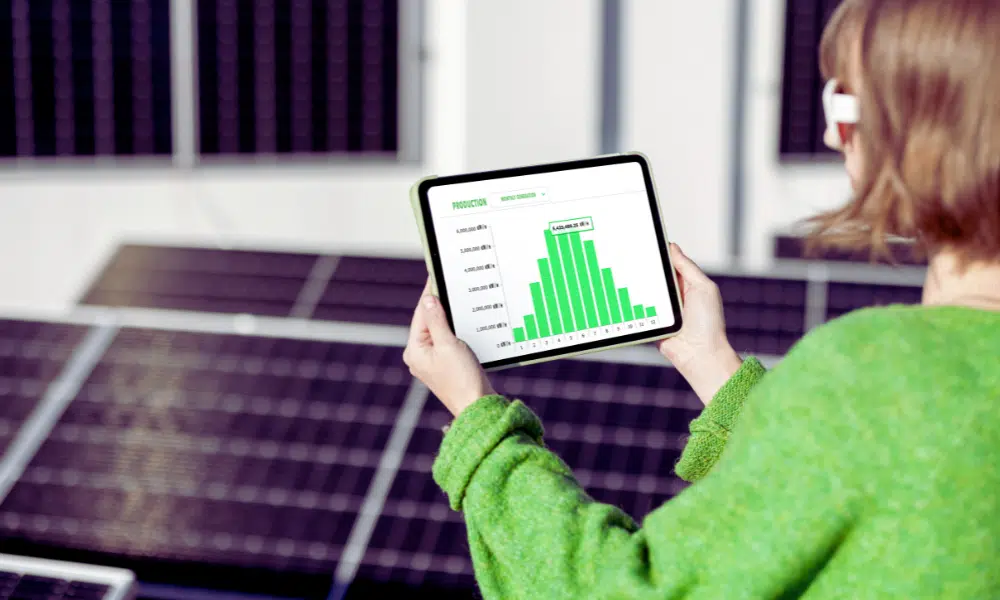





Most solar systems do exactly what they’re supposed to do, which is to generate plenty of of power in the middle of the day. The problem is, that’s not when most households actually use it.
By the time demand ramps up in the evening, solar output has already dropped off. That gap is where energy costs creep back in and why many solar homes still rely on grid electricity during the most expensive hours, even on clear, sunny days.
This isn’t a failure of solar, but more of a timing issue that is becoming the next big factor shaping how much households actually save.
Solar works hardest when your home uses the least
Solar generation peaks late morning to early afternoon, when sunlight is strongest. But for most households, that’s also when electricity use is at its lowest. People are out, appliances are off, and demand drops.
At the same time, rooftop systems across the grid are producing heavily. That oversupply pushes wholesale prices down, which is why exported solar is often worth less during these hours.
The result is a mismatch. Your system is generating plenty of energy, but not when you actually need it.





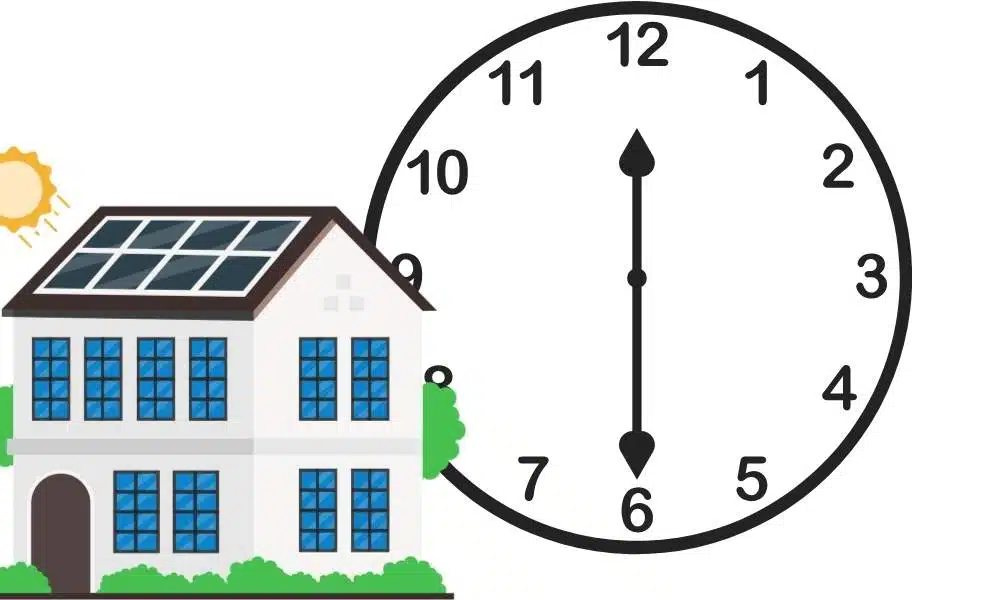
The 6pm problem is where costs come back
Energy use tends to spike in the early evening. Lights go on, appliances are running, and heating or cooling kicks in. It’s also the point where solar generation drops off quickly as the sun sets.
To meet that demand, the grid leans more heavily on gas and other dispatchable sources, typically the most expensive forms of generation. That’s when electricity prices rise, and it’s exactly when many solar households start drawing from the grid again.
This is the gap that drives bills. Even with solar, the most expensive electricity is still being used at the end of the day.
Exporting solar doesn’t fix the gap anymore
For years, exporting excess solar has helped offset energy costs. But that equation has shifted.
Feed-in tariffs have dropped as more solar floods the grid during the middle of the day. In many cases, households are exporting power for a fraction of what they later pay to buy it back in the evening.
The gap is simple:
- Daytime exports are of low value
- Evening imports are high-cost
So even if your system is generating plenty overall, the timing still works against you. You’re selling energy when it’s cheapest and buying it back when it’s most expensive.
Using your solar later is where the real value sits
The core issue isn’t how much energy your system produces. It’s when that energy is used.
Instead of sending excess solar to the grid during the day, the real advantage comes from holding onto it and using it later, when prices are higher and demand peaks. This is what’s often described as shifting solar forward in time.
In practical terms, it means using your own solar in the evening instead of buying from the grid. That’s where the biggest cost difference sits, and where solar systems can deliver more consistent savings.
This is where batteries start to change the equation
Batteries take that excess daytime solar and store it for later use. Instead of exporting power at low value, households can draw on their own stored energy during the evening peak.
That shift reduces reliance on grid electricity when it’s most expensive. It also smooths out how energy is used across the day, turning solar from a daytime-only benefit into something that works when it’s actually needed.
The role of batteries is changing as well. It’s no longer just about backup during outages. It’s about avoiding high-cost periods and getting more value from the system you already have.


This shift is already happening across the grid
Even at relatively low levels, battery storage is starting to change how electricity is priced and delivered. By supplying energy during peak periods, batteries reduce the need for expensive gas generation and help ease pressure on the grid.
That impact shows up in more stable pricing and fewer extreme spikes in the evening. It’s a small shift so far, but it points to where the system is heading.
For households, it reinforces the same idea: value is moving away from just generating solar to being able to use it at the right time.
What this means when you’re deciding what to upgrade
If you already have solar, the question is no longer just about adding more panels. For many households, generation isn’t the limitation anymore. Timing is.
The more useful starting point is understanding how your energy flows:
- How much solar you’re exporting during the day
- How much you’re buying back in the evening
- When your highest usage actually happens
If most of your costs sit in that evening window, adding more generation won’t solve it on its own. The focus shifts to using what you already produce more effectively.
That’s why upgrades are increasingly being looked at as system decisions, not just panel upgrades.
Solar solved generation. Now it’s about control
For years, the focus was simple: install panels, generate more power, reduce your reliance on the grid.
That part is largely solved. Solar can already produce more energy than many households use during the day.
What’s changing now is where the real savings come from. It’s no longer just about how much energy you generate. It’s about when and how you use it.
The next phase is control. Aligning your energy use with when power is most valuable and reducing exposure to the most expensive parts of the day.
Where the biggest savings are now coming from
The largest savings are no longer coming from how much solar you generate, but from how much expensive grid energy you can avoid.
That usually comes down to one window: the evening peak. If you’re still relying on the grid during those hours, that’s where most of your costs sit—regardless of how much you exported earlier in the day.
Shifting even a portion of that usage away from peak pricing can have a noticeable impact on overall bills. It’s a different way of thinking about solar savings, but it reflects how the system now works in practice.
What to look at before making your next move
Before making any upgrades, it helps to look at how your system is actually performing across the day, not just how much it generates overall.
Focus on a few key things:
- How much energy you’re exporting during daylight hours
- How much you’re importing in the evening
- When your highest usage periods occur
- The gap between your feed-in tariff and retail electricity rate
These patterns tell you where the real opportunity sits. In many cases, the issue isn’t a lack of generation, but the value of that energy is being lost through timing.
The shift most solar homes haven’t made yet
Many solar households are still thinking in terms of generation: how many panels, how many kilowatts, how much total output. That made sense when solar adoption was low, and feed-in tariffs were higher.
But the system has changed. With more solar on the grid, the value of simply producing more has dropped, especially in the middle of the day.
The shift now is from generation to utilisation. It’s not about producing more energy but about using more of what you already produce at the right time.
Where this is heading next
As more solar and storage come online, the gap between daytime oversupply and evening demand will become more pronounced. Pricing signals are already reflecting this, and they’re likely to sharpen over time.
That means daytime energy will continue to be abundant and low-value, while evening energy remains the most expensive part of the day.
For households, the direction is clear. Systems that can store, shift, and manage energy will have a growing advantage over those that rely on generation alone.
What this means for your energy bill
If your household is still buying most of its electricity in the evening, that’s where your bill is being decided.
It doesn’t matter how much you generated earlier in the day if that energy was exported at low value and you’re buying it back at peak rates later on. The cost difference between those two windows is what adds up over time.
That’s why many solar homes still see higher-than-expected bills. The issue is how much expensive electricity you’re still relying on when solar isn’t available.

The takeaway
Solar has already changed how energy is generated. The next shift is how it’s used.
For many households, the biggest gains no longer come from adding more panels, but from reducing how much grid power is used during the most expensive hours.
That means looking beyond total output and focusing on timing. Because in today’s energy system, when you use your solar matters just as much as how much you produce.
Energy Matters has been in the solar industry since 2005 and has helped over 40,000 Australian households in their journey to energy independence.
Complete our quick Solar Quote Quiz to receive up to 3 FREE solar quotes from trusted local installers – it’ll only take you a few minutes and is completely obligation-free.