Victoria (VIC) has extended its solar rebate program for apartments to June 2027, giving more buildings time to access funding and install shared rooftop systems. The extension reflects a strong interest, but it also points to a slower rollout than seen in standalone homes. While the model is already working in practice, scaling it across apartment buildings has proven more complex, shaped less by technology and more by how decisions are made across shared spaces.
Apartment solar is already working, but it moves differently
The extension makes one thing clear: apartment solar is no longer experimental. It’s already working on the ground.
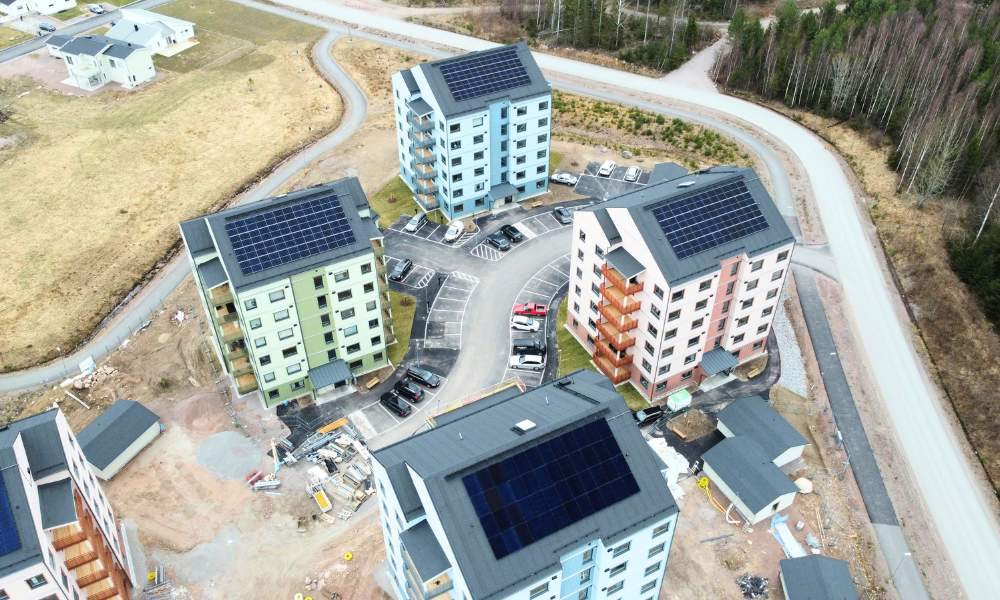
Shared rooftop systems are delivering real savings and cutting grid reliance, even in buildings with dozens of residents. The setup itself isn’t complicated either. Solar panels generate power at the top, and that energy is either shared across participating units or used to offset common areas like lifts, lighting, and other base loads.
Where it gets more complex is everything around the install. In a standalone home, one person makes the decision and moves forward. In an apartment, it’s rarely that simple. You’re dealing with owners, tenants, and state committees, all with different priorities and levels of involvement. What would normally be a straightforward upgrade becomes a coordinated process that takes time to align, approve, and actually get off the ground.
[metaslider id=”138351″]
Why progress is steady but not fast
If the technology works and the funding is there, the obvious question is why rollout hasn’t moved faster. The answer lies in how apartment buildings operate day to day.
Every project depends on agreement. Not just interest, but enough alignment to move forward. Some residents may be keen on lowering bills, while others may not plan to stay long enough to see the benefit. Owners and tenants don’t always see value in the same way, and strata committees have to weigh costs, logistics, and long-term implications for the building.
There are also practical limits. Roof space has to be shared, which means system sizes are often smaller per unit than in standalone homes. Each building has a different layout, a different electrical setup, and different constraints. What works for one doesn’t always translate neatly to another.
This is why progress tends to build gradually. Not because the model is flawed, but because every installation is tied to a set of decisions that take time to work through.
What the extension means for apartment residents
The extension is more about timing. It gives buildings that are already considering solar more room to plan, secure agreements, and move through approvals without rushing decisions.
If you’re in an apartment, the key question isn’t whether solar is possible. It’s whether your building is in a position to act. That usually comes down to a few practical factors:
- How engaged the strata committee is
- Whether there’s enough interest from residents
- How suitable the building is from a layout and electrical standpoint
In many cases, progress starts with one or two people pushing the conversation forward. From there, it becomes about building enough support to explore options, assess costs, and understand how the system would be shared. The extension gives that process time to play out, which is often what these projects need most.
What to look for if your building is considering solar
If the conversation is starting in your building, these are the factors that usually determine whether it moves forward or stalls:
- Resident participation: The more people on board, the easier it is to design a system that works financially and distributes value fairly.
- How the building uses energy: Some systems offset common areas like lifts and lighting, while others allocate power to individual units. The setup depends on wiring and priorities.
- Roof and infrastructure readiness: Roof space, condition, and existing electrical systems all influence what’s possible and whether upgrades are needed.
- Strata alignment and process: Clear decision-making through the strata committee is critical. Without it, even a strong interest can stall.
- Access to the right installer and plan: Experience with apartment systems matters. A well-scoped plan reduces friction and avoids redesigns later.
- Realistic timelines: Most delays happen before installation begins. Alignment, approvals, and planning take longer than the install itself.
[metaslider id=”138379″]
Why this still matters now
Even with the slower pace, apartment solar is starting to shift from niche to normal. As more buildings go through the process, the path becomes clearer, and the idea of shared systems becomes easier to understand and replicate.
The extension plays a role in that shift. It keeps momentum going while the market works through the practical challenges of scaling across multi-resident buildings. Without that extra time, many projects would likely stall before reaching approval or installation.
This also means that solar is no longer something that only applies to standalone homes. It’s becoming a viable option for apartments, too, just one that requires a different approach and a bit more coordination to unlock.
Where this goes next
The next phase for apartment solar in VIC won’t be defined by new technology, but by how repeatable the process becomes. As more buildings complete installations, the pathway gets clearer.
Over time, this reduces friction. Strata committees become more familiar with the process, installers refine their approach, and residents have real examples to reference. What feels complex today becomes more standard with each completed project.
The extension supports that transition. It gives the market time to move from early adopters to broader uptake, where apartment solar isn’t treated as a special case, but as a normal part of how buildings manage energy.
The model is proven, rollout is still catching up
VIC’s decision to extend apartment solar rebates indicates confidence in a model that already works, but also recognises that scaling it takes time. The opportunity is clear, so are the constraints.
This isn’t about waiting for better technology or bigger incentives. It’s about whether the building can align, plan, and move forward. The extension simply creates the window to do that.
As more projects come online, the process will become more familiar and easier to navigate. But for now, progress will continue the same way it has so far… building by building, decision by decision.
Energy Matters has been in the solar industry since 2005 and has helped over 40,000 Australian households in their journey to energy independence.
If you live in an apartment, the path to solar starts with understanding what’s possible for your building. Complete our quick Solar Quote Quiz to receive up to 3 FREE solar quotes from trusted local installers – it’ll only take you a few minutes and is completely obligation-free.