






Using solar cells implanted under the skin to recharge electronic medical devices such as pacemakers is viable according to Swiss researchers.
A pacemaker is a small electronic device implanted in the chest or abdomen to help control abnormal heart rhythms through the generation of low-energy electrical pulses. Many Australians are have pacemakers – approximately 15,203 were fitted in 2013.
There’s no doubt the pacemaker has extended and improved the quality of many lives. However, the battery used in the device may need replacing in as little as five years. The battery also determines the size of the device.
Replacing the battery involves expensive surgery that has the potential for triggering infection, as well as causing stress and inconvenience to patients.
More than 50% of patients with pacemakers will need battery replacements and many need several replacement procedures.
To address this issue, a researcher from Bern University Hospital and the University of Bern in Switzerland and his colleagues decided to investigate the potential of using subcutaneous solar cells to keep batteries charged.
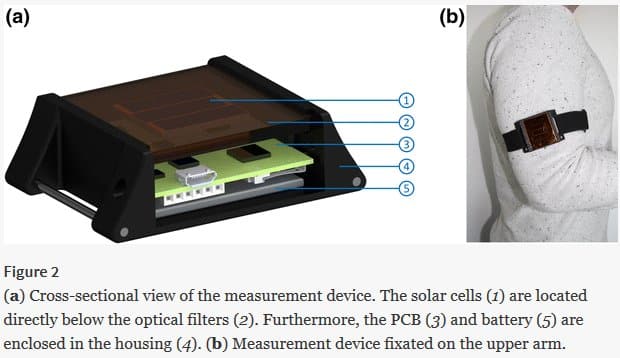
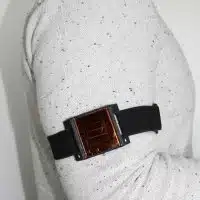
Solar cells 3.6 square centimeters in size were covered by optical filters to simulate how skin would impact on the sun penetrating to the cell. These devices were worn on the arm of 32 volunteers in Switzerland for one week during summer, autumn and winter.
In all scenarios, the solar devices generated much more than the 5 to 10 microwatts that a typical cardiac pacemaker uses; with the lowest power output being 12 microwatts on average.
“By using energy-harvesting devices such as solar cells to power an implant, device replacements may be avoided and the device size may be reduced dramatically,” said lead author of a paper on the study, Lukas Bereuter.
The paper: Energy harvesting by subcutaneous solar cells: A long-term study on achievable energy output, has been published in the journal Annals of Biomedical Engineering.
In early 2016, two cardiologists exposed the ‘scandal’ of pacemaker battery life.
“There is an urgent need to minimise the requirement for replacement of these devices. Doing so will save lives, minimise suffering, and reduce costs,” they said.
Implantable solar energy technology’s potential is also being investigated for use in other medical applications, including restoring sight to the blind.