






Tasmanian solar PV owners frustrated by a dramatic solar feed-in tariff reduction are turning to home batteries.
Aurora Energy’s formerly generous 1:1 tariff meant residential solar PV owners used to get zthe same amount for uploading electricity as they were paying for it.
This feed-in tariff of 26c per kWh applied to those who installed solar panels before August 30, 2013.
However, from January 1, 2019 Aurora’s feed-in tariff fell by a third, plus a transitional bonus of 5c for former 1:1 tariff recipients until December 2019.
The feed-in tariff for all other solar owners is 8.5 cents per kWh.
Batteries offset reduction in the solar feed-in tariff
The ABC reports that more than half of the 28,500 Tasmanians with solar installed their systems before August 30 2013.
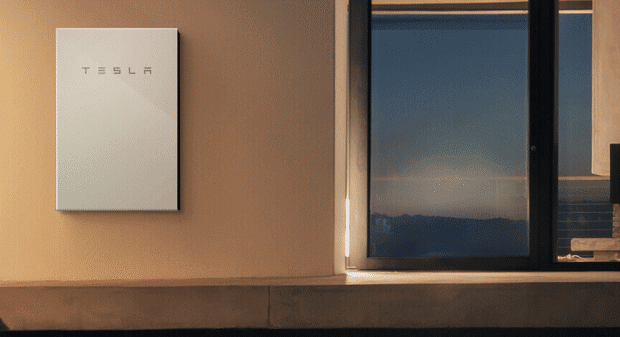
Jack Gilding from the Tasmanian Renewable Energy Alliance said Tasmanians were turning to batteries as a result of the solar feed-in tariff reduction.
“A lot of people have been saying, well I’m not going to give my electricity away, I’m going to get some batteries and save it up for myself,” he told the ABC.
The economics behind battery storage stack up. If power costs 26c/kWh and the feed-in tariff is 8.5c/kWh, it makes sense to store excess power for personal use rather than sell it to the grid.
Batteries still too costly for some
However, unlike Victoria and South Australia, Tasmania does not have a state-funded battery rebate program.
That’s because over 90 per cent of the state’s power comes from its hydroelectricity plants. This puts residential solar PV low on the government’s agenda.
However, Victoria will expand its Solar Homes program this year to include batteries. South Australia’s Home Battery Scheme will also provide up to $6,000 for battery installations.
Aurora Energy is a Tasmanian government-owned corporation. In 2018 it made a profit after tax of $13.2 million. The business returned $23.3 million to the government.
Australia’s transition to lower emissions generation sources presents an economic opportunity for Tasmania. For instance, there is the potential for Tasmania to become the ‘Battery of the Nation’ by using pumped hydro storage.
With pumped hydro storage, electric pumps send water up to a dam. When released, the water flows back down though a generator releasing the stored energy. In this way, a dam can store energy on a gigantic scale. If the pumps use wind or solar power, that energy is in addition clean energy.
Because Tasmania connects to the national electricity grid, its dams could store renewable energy from the mainland.