





While PM Scott Morrison believes Australia will meet its emissions targets “at a canter”, the latest international assessment begs to differ.
The Organisation for Economic Co-operation and Development (OECD) just published its third Environmental Performance Report of Australia. The OECD found Australia has one of the highest rates of non-renewable energy use among its 36 member countries.
It also found that rather than meeting its emissions reduction target of 26-28 per cent below 2005 levels by 2030, at the current rate emissions are more likely to increase.
OECD report highlights on Australia emissions targets:
- Australia is among the ten largest greenhouse gas emitters in the OECD.
- While Australia’s economy has become less energy intensive, it still remains highly energy and carbon intensive due to a high reliance on coal.
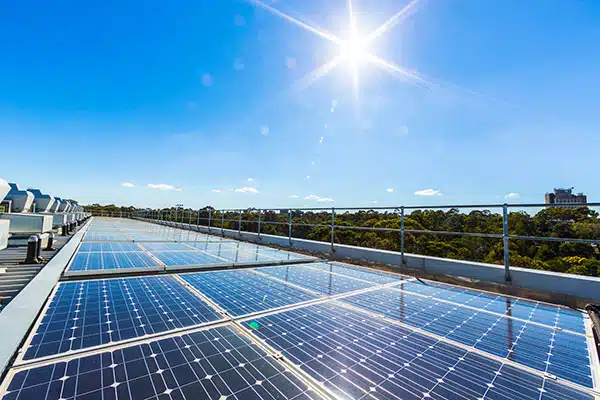
- Australia’s renewable energy use, which includes solar power, sits at about 16 per cent – well below the OECD average of 25 per cent.
- Coal, oil and gas contribute 93 per cent of the energy mix. The OECD average is 80 per cent.
- Over the last 60 years, Australia has warmed by 0.9 degrees Celsius. It is exhibiting climatic and environmental changes, such as more heatwaves, bushfires, floods and droughts. The country is also vulnerable to rising sea levels.
- At the national level, a long-term emissions reduction strategy is lacking. However, the report pointed out several states and territories are committed to zero emissions.
Emissions targets opportunities and recommendations
The report highlights Australia’s energy opportunities. These include untapped renewable energy potential, and a highly skilled workforce.
Its recommendations include implementing an integrated energy and climate policy framework for 2030, taking a proactive role in fighting climate change, and doing more to integrate renewable energy into the electricity sector.
The report also suggested considering a carbon pricing scheme to reduce emissions.
New report aligns with other findings
The OECD report aligns with other recent findings. For example, last year a Department of Environment report found Australia’s carbon pollution is tracking upward. The Energy Security Board also said Australia won’t meet its emissions targets without a government policy.
An IPCC report last year also asserted the need to increase the share of renewable energy, such as wind farms and solar installations worldwide. It said cleaner energy sources should replace up to 67 per cent of primary energy use globally.