






No matter where I turn, batteries are dominating the conversation. Social feeds are flooded with homeowners chasing the federal battery rebate before it shifts in May. At the same time, installers are scrambling to secure stock and keep promises. What should be a straightforward upgrade is quickly turning into a pressure cooker. Cancellations are rising, systems are being swapped at the last minute, and timelines are slipping. Some homeowners are realising their chosen battery is suddenly out of reach. Meanwhile, installers are staring down serious financial losses or potential legal headaches if they cannot deliver on time.
If these scenarios sound familiar, read on.
What is changing to the battery rebate from 1 May?
The federal Cheaper Home Batteries Program is shifting gears on 1 May. The upfront incentive begins tapering. This means the rebate you see today will not be as generous tomorrow. Right now, households are enjoying peak incentive levels. From 1 May, the rebate begins stepping down in stages. That reduction continues over time, which is why demand has surged.
So what does that actually mean for your wallet?
Let’s look at two common system sizes.
Example cost impact
| System size | Typical installed cost now | Estimated cost post 1 May | Difference |
| 20 kWh | ~$14,000 – $16,000 | ~$15,500 – $17,500 | +$1,500 to $2,000 |
| 40 kWh | ~$26,000 – $30,000 | ~$29,000 – $33,000 | +$3,000 to $4,000 |
These are indicative ranges, but the trend is clear. Larger systems feel the change more.
The catch is timing. You only lock in the higher rebate if the system is installed and compliant before the deadline. Signing a quote is not enough.





Homeowners: Common issues and what to look out for
The rush to beat the rebate change has created a perfect storm. Demand is high, stock is tight, and timelines are under pressure. That combination can lead to poor decisions on both sides.
Here are the most common issues showing up right now.
No stock available of your chosen battery system
This is by far the most common problem.
You sign up for a specific battery, only to be told it is no longer available. Suddenly, an alternative is offered.
If the replacement is:
- Equivalent or better, and
- Offered at a reduced price
Then it may be worth considering. If it is a lesser system at the same price, walk away.
You are better off waiting and paying slightly more for the right system than rushing into a compromise. A battery is a long-term investment, not a panic purchase.
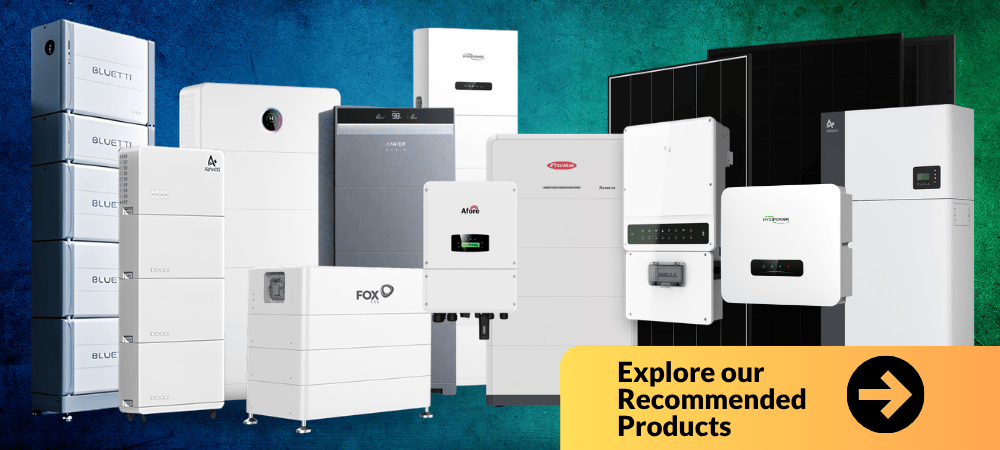
Explore our recommended brands.
Important note: Solar installers and retailers generally DO NOT order stock directly from manufacturers. They place orders with a distributor who handles the stock logistics. Additionally, most manufacturers have limited visibility of current stock levels with distributors. Distributors place orders, manufacturers deliver, but once the stock is delivered, the products enter the distributors’ systems and are out of the manufacturers’ hands.
Asking for the full payment up front
This is a BIG red flag.
If your agreement was:
- No deposit, or
- A partial deposit
And the installer now demands full payment up front, proceed with caution.
This often signals:
- Cash flow issues, or
- Uncertainty around stock or delivery
A reputable installer will stick to the agreed payment structure. If terms suddenly change, you have every right to question why.
Important note: Your contract will outline the terms and conditions by which the agreement can be altered, if at all. If the scope of your installation changes, please refer to the contract that you signed with the installer. They may have inserted clauses that allow for product swaps or payment schedule changes. If you find that your contract does include such clauses, you can seek advice from the ACCC.

Shonky installations
The pressure to meet deadlines has pushed some retailers to outsource installs to whoever is available.
That can lead to poor workmanship.
Before installation, always ask for:
- Installer accreditation details
- Proof of compliance and experience
In Victoria, systems must pass an independent inspection. Other states do not have this requirement.
For peace of mind, you can organise your own independent electrical inspection. If faults are found, the installer must fix them. If things go sideways, there are legal avenues available to you.
Important note: Your system must meet electrical safety standards for your installer to claim the STCs (the rebate). If an independent inspection finds faults, your installer MUST rectify them. If not, the matter can be referred to the Clean Energy Regulator, who will investigate the installation, require the STCs to be surrendered, and apply financial penalties. The CER can strip an installer of their ability to claim STCs.
Wait to install a battery if you need to
This is the part most people do not want to hear, but it matters.
Yes, the rebate is reducing from 1 May. Yes, you may pay more if you wait. But rushing into the wrong system, or a poor installation, can cost far more over time. A battery is not a short-term purchase. It is a long-term asset that should last 10 to 15 years or more. Performance, reliability, and safety should always outweigh short-term savings.
If your preferred system is unavailable, ask yourself:
- Am I being offered a genuine equivalent, or a downgrade?
- Has the price been adjusted fairly?
- Do I trust the installer to deliver quality under pressure?
If the answer to any of these is unclear, it is worth pausing.
We are already seeing homeowners pushed into:
- Smaller batteries than originally quoted
- Different brands with less proven performance
- Installations booked purely to meet a deadline
That is where problems start. Waiting may mean paying an extra few thousand dollars. But it also means:
- Getting the system you actually want
- Having it installed properly
- Avoiding costly fixes or upgrades later
There is also a practical reality here. Stock shortages are not just inconvenient; they are a signal. If an installer cannot secure the system now, it may indicate broader supply or planning issues.
A quality installer will be upfront. They will not pressure you into a quick decision just to secure a sale. Sometimes the smartest move is to step back, let the market settle, and install with confidence rather than urgency.


Know your rights and choose wisely
This current rush has created opportunities, but it has also exposed risks. Homeowners are trying to lock in savings. Installers are trying to meet demand. Somewhere in the middle, contracts, expectations, and reality are colliding. Importantly, installers are not operating in a grey area.
In April, the Clean Energy Regulator made its position clear. Retailers must only commit to what they can deliver, and they are expected to honour their contracts. If they fail to do so, they may be liable for the financial impact on the customer, including lost rebate value. That is not a suggestion; it is a compliance expectation.
For homeowners, this provides a level of protection. You are not obligated to accept substitutions, delays, or changes that disadvantage you. For installers, it is a reminder that aggressive sales without a secured supply carry real risk.
So what is the takeaway?
- Do your homework before signing anything
- Get everything in writing, including system details and timelines
- Do not be pressured into a last-minute decision
- And most importantly, choose quality over urgency
The rebate is important, but getting the right system installed the right way is what will deliver value for years to come.