





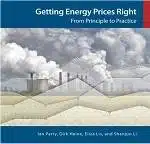
The International Monetary Fund (IMF) recommends taxing fuels according to the environmental and health damage they cause – but not in a way to generally add to the financial burden of taxpayers.
A new book from the IMF: Getting Energy Prices Right: From Principle to Practice, provides guidance for countries including Australia on how to go about determining the harmful side effects of energy use and putting a price on that damage that can be reflected in the cost of those fuels.
One of the major points in the document is that coal use is pervasively undercharged, not only for carbon emissions but also the health effects caused by air pollution.
Average world coal prices in 2010 worked out to around USD $5 per gigajoule; plus whatever minimal taxes existed at that time. The IMF has suggested a tax of around USD $3.30 per gigajoule to factor in the damage coal causes.
With this sort of tax in place, renewable energy would become an even more attractive proposition. Illustrating the rapid effect of increased pricing on fuels locally, it’s been revealed coal use for power generation in Western Australia has jumped and accounted for nearly half of all electricity produced last year. The reason – an increase in the price of gas. If the cost of coal increased, then wind and solar power would experience a boost.
Such a tax applied in Australia would also result in an approximate reduction of air pollution related deaths of around 20%.
In launching the report at the Center for Global Development, Managing Director of the IMF Christine Lagarde explained why the IMF is concerned about the environment.
“The reason is simple: a degraded environment leads to a degraded economy. Environmental damage has macroeconomic implications, and implications for the design and impact of fiscal policy.”
The IMF is recommended smarter taxes rather than higher ones overall.
“This means re-calibrating tax systems to achieve fiscal objectives more efficiently, most obviously by using the proceeds to lower other burdensome taxes,” said Ms. Lagarde; who also invoked Nelson Mandela when acknowledging the scale of such a task by stating, “It always seems impossible until it’s done”.