





Nearly a third of Germany’s gross electricity consumption in 2016 is expected to have been sourced from renewables including wind, solar, geothermal, biomass and hydropower.
The Centre for Solar Energy and Hydrogen Research Baden-Württemberg (ZSW) and the German Association of Energy and Water Industries (BDEW) last week estimated 32% of the nation’s electricity will have come from green power sources this year – approximately 191 billion kilowatt hours.
Offshore wind power generation had a stellar year, increasing close to 57 percent to around 13 billion kWh. However, onshore wind power took a small dive; dropping nearly 6 percent to 67 billion kWh. While more wind turbines were installed, the drop has been attributed to poor onshore wind conditions. Regardless, onshore wind power remains the major source of renewable electricity in the nation; accounting for almost 35%.
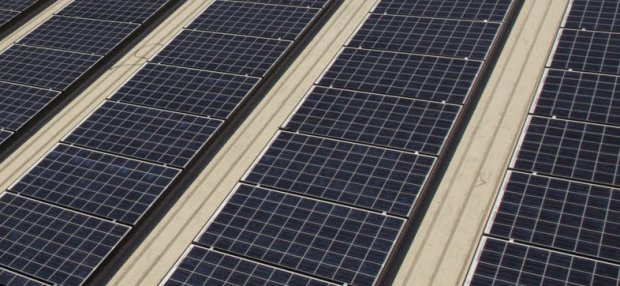
Solar power cranked out 38 billion kWh in 2016, dropping around 1%. Solar PV accounts for 20% of Germany’s renewable electricity production.
Hydropower, biomass and waste, and geothermal power production all increased during 2016 – 13%, 3% and 12% respectively.
“The current figures show that the Energiewende [Germany’s energy transition] remains on track in the area of sustainable electricity generation. However, urgent action is needed in other areas,” said Prof. Frithjof Staiss, Managing Director of ZSW.
“Fossil fuel consumption is still too high, especially in the transport sector, and so are greenhouse gas emissions for that same reason.”
Germany’s energy targets call for 35% of gross electricity consumption to be sourced from renewables by 2020. Beyond that, the target is 50% in 2030, 65% in 2040 and 80% by 2050.
The country also has a 2020 emissions target of -40% based on 1990. By 2050, Germany hopes to have slashed emissions by 80 – 95% compared to 1990.
One of the challenges Germany is now facing in reaching its targets is related to expansion of the grid.
“The Federal Ministry of Economic Affairs has just confirmed in its monitoring report on the Energiewende that the grid expansion is clearly lagging behind established and necessary goals,” said Stefan Kapferer, Chairman of BDEW’s General Executive Management Board.
“The gears of grid and renewables expansion have to be meshed more closely to reduce the enormous costs of stabilizing grids. This will also lighten the load on consumers.”
Legislative support for the Energiewende was passed in late 2010 and six years later there is still very strong support for initiative. A poll carried out in May by BDEW indicated 93 percent of respondents perceive the Energiewende as “important” or “very important”.
Just as it led with renewables, particularly solar; Germany is proving to also be an energy storage pioneer. In June this year, GTM research forecast Germany’s energy storage market to grow eleven-fold in megawatt terms between 2015 and 2021.
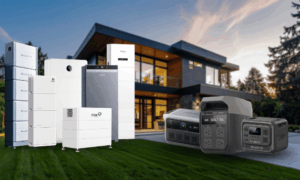
In terms of home energy storage, the most popular battery systems in Germany are manufactured by sonnen.