
Solar panels require little maintenance, which is one of the many reasons it’s a good investment. However, issues can happen with any product at any time. Preparing for the worst—or simply for what could happen can help you save more time and money down the road.
Here, we have listed some of the most common issues with solar panels.
Build-up of dirt and grime
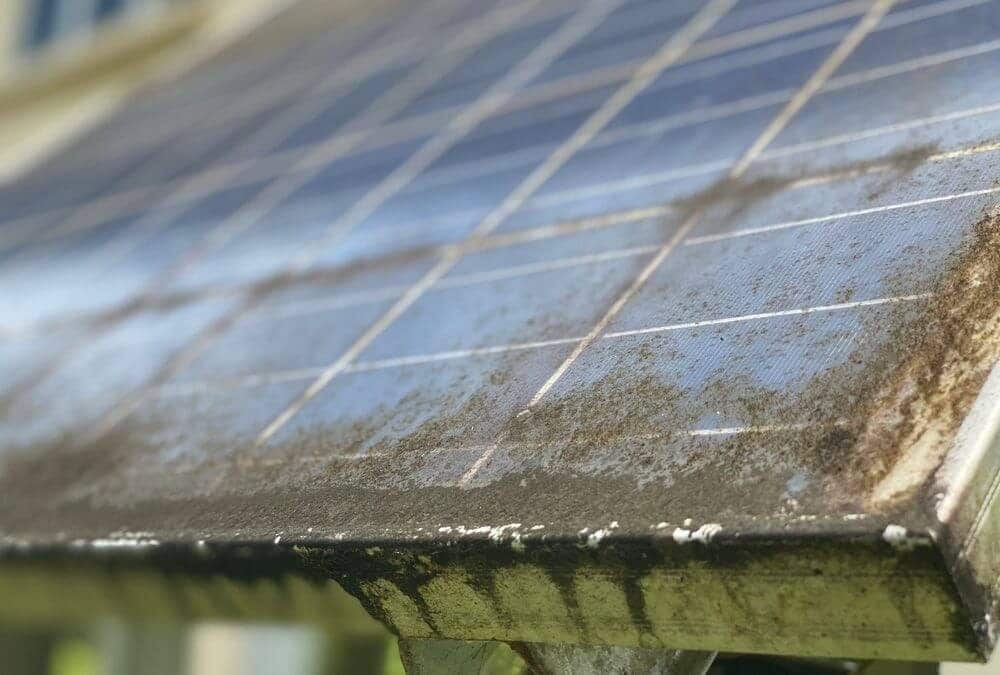
Being exposed to weather conditions and animals, such as birds, will eventually make your solar panels dirty. It’s pretty common, but this build-up can impact your system’s performance.
The most susceptible to this kind of build-up are solar panels installed on flat roofs due to their layout which can collect more dirt over the years. Examples are bird droppings, leaves, and dust.
Roof issues
One of the reasons Energy Matters, a leading supplier of solar quotes in Australia, recommends having your roof checked before rooftop solar panel installation is due to potential roof issues that could affect your solar system.
For example, a sagging roof could mean structural issues, which can put stress on the panels’ mounting system. Another one is if there’s improper ventilation, which traps heat and moisture under the roof. This could speed up the degradation of roofing materials which will eventually affect the lifespan of your solar panels.
If you have an aging home, hire a quality roofer to inspect your roof before you have solar panels installed. Once you have a solar system installed, make sure to have regular roof maintenance to identify minor issues before they become big ones.
Potential Induced Degradation (PID)
PID reflects significant drops in solar energy production by your solar system. This means there’s a voltage difference between the solar panel and the earthing, which leads to a partial voltage discharge. PID is closely linked to environmental factors and how the PV system is configured.
There are ways to avoid or manage PID. One is to consider a new location for your solar panels where there is lower temperature and humidity. You can also consider using PID-resistant hardware modules or conduct earthing by using modules where there are no manufacturer restrictions on connecting the negative end of the string to the system ground.
You can also check out SunGrow’s anti-PIUD solution whitepaper for residential PV systems.
Inverter issues
Solar inverters are a vital component in your solar system. It converts Direct Current (DC) energy from your panels to Alternating Current (AC) energy used by your home.
It’s safe to say that any issues with your inverter could be a hassle. Being aware of what could go wrong can really help. Some of the common inverter issues are:
- Improper installation: Improper installation could be either incorrect programming or improper connection. Your solar panels should match the capacity of your inverter. Otherwise, it will not work properly.
- Isolation fault: This happens when a short circuit appears, which the inverter will notify you via an alarm. Some causes are damage and moisture to the cabling sleeves, poor cable connection, and faulty installation. Moisture issues are more common in areas close to the ocean or experience high humidity. When there’s an isolation issue with your inverter, the part will not work. However, in some rare cases, the inverter might continue to function at a reduced capacity.
- Overheating: The components in a solar inverter are sensitive to high temperatures. So, an increase in temperature could reduce production or worse, it could stop producing electricity if it reaches its maximum temperature.
- Inverter fails to restart: In case of grid issues, like a blackout, your inverter should be able to restart on its own. If it doesn’t, the issue on the grid might have caused damage to the inverter.
- Unable to charge: Loose connections, burnt rectifiers, dead batteries, and melted fuses are the common reasons your inverter might not be charging.
- MPPT module issue: Maximum Power Point Tracking (MPPT) is used by modern solar inverters to run on to maximise its performance. The MPPT algorithm is designed in a way that allows the inverter to use the right amount of voltage despite the different degrees of energy by the strings. If the MPPT module isn’t established well, it can affect your inverter.
If you think that your solar system isn’t working at its maximum capacity, one of the common reasons could be your inverter. So, it’s best to contact a professional immediately to help you get back on track and get as much solar power for your property.
Snail trail contamination
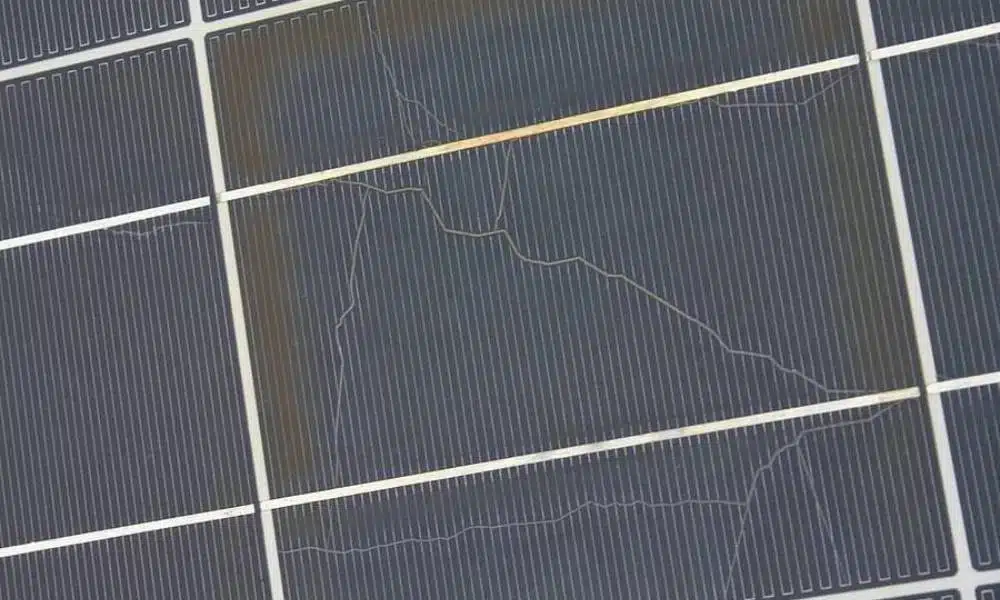
No, we’re not talking about real snails here—it’s only referred to as “snail trail” due to the brown lines on the panels that look like snails have walked on the surface. This usually appears after a few years and could be due to many factors, such as faulty silver paste or microscopic cracks in the PV system.
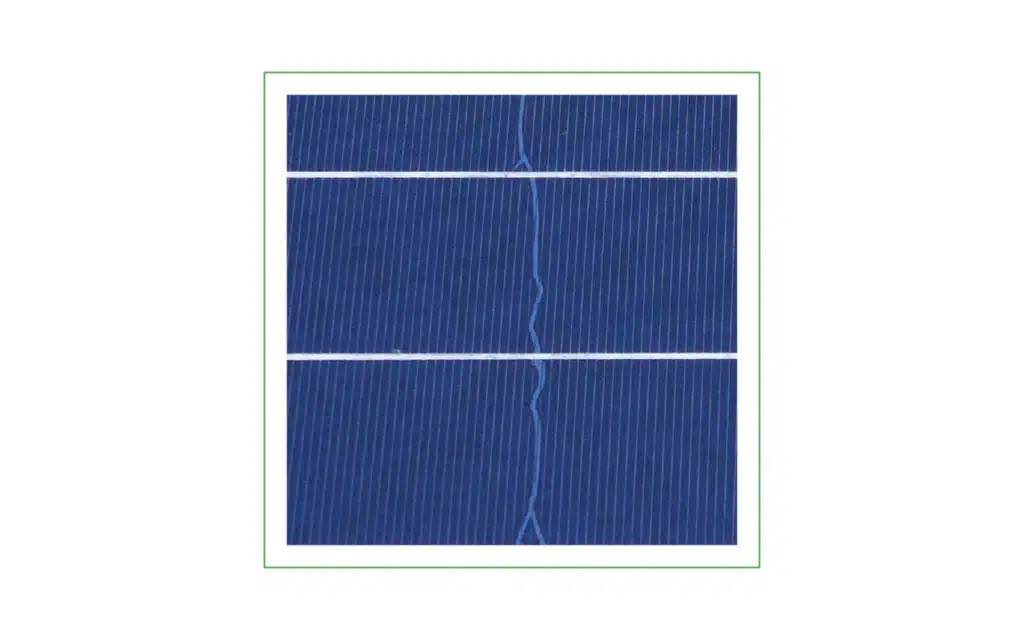
Silver paste is a conductive paste that contains silver applied to the back and front of silicon solar cells. It acts as a conductor to collect electricity generated by the solar cells and then carries it to the inverter for conversion into usable AC power. If the paste is defective due to improper application or poor quality, it could lead to decreased power output from the panels. It could also lead to microscopic cracks because the faulty paste can degrade the panels.
Due to Australia’s hot and sunny climate, faulty silver paste is more common than you think. This is why it’s important to only go for reputable solar panel manufacturers because of their warranties that cover faulty silver paste. In case you suspect faulty silver paste and your warranty doesn’t cover it, consult with a qualified solar technician.
Microcracks
Microcracks, as mentioned, can be caused by faulty silver paste. These are tiny cracks that can show up on your panels but are difficult to see with the naked eye. What could make them dangerous is they could get larger and become more visible over time, especially due to significant weather changes.
Once this happens, it can affect the flow of energy in the panel and reduce the energy output of your system. These tiny cracks can also be caused by improper handling during shipping or installation.
Faulty electrical wiring
Faulty or old electrical wiring on your roof can hinder your solar system from performing efficiently. However, it’s only natural for the electrical wiring on your roof to deteriorate over time due to corrosion, loose connections, or oxidation. Rats and other pests may also cause damage to them.
Electrical wiring shouldn’t go unnoticed for a long period because it could lead to roof issues, or worse, fires. The only way to mitigate this risk is to conduct regular checking of your solar panels.


Hot spots
A hot spot means overheating and it could occur on your solar panels. It is usually caused by an inconsistency in the electrical output across solar cells within the same panel. A cell might not perform properly due to defects or damage that will cause it to consume energy generated by neighbouring cells. Solar panel hot spots put the panel’s integrity at risk, which can reduce its lifespan and the performance of its panels. It could also lead to safety hazards.
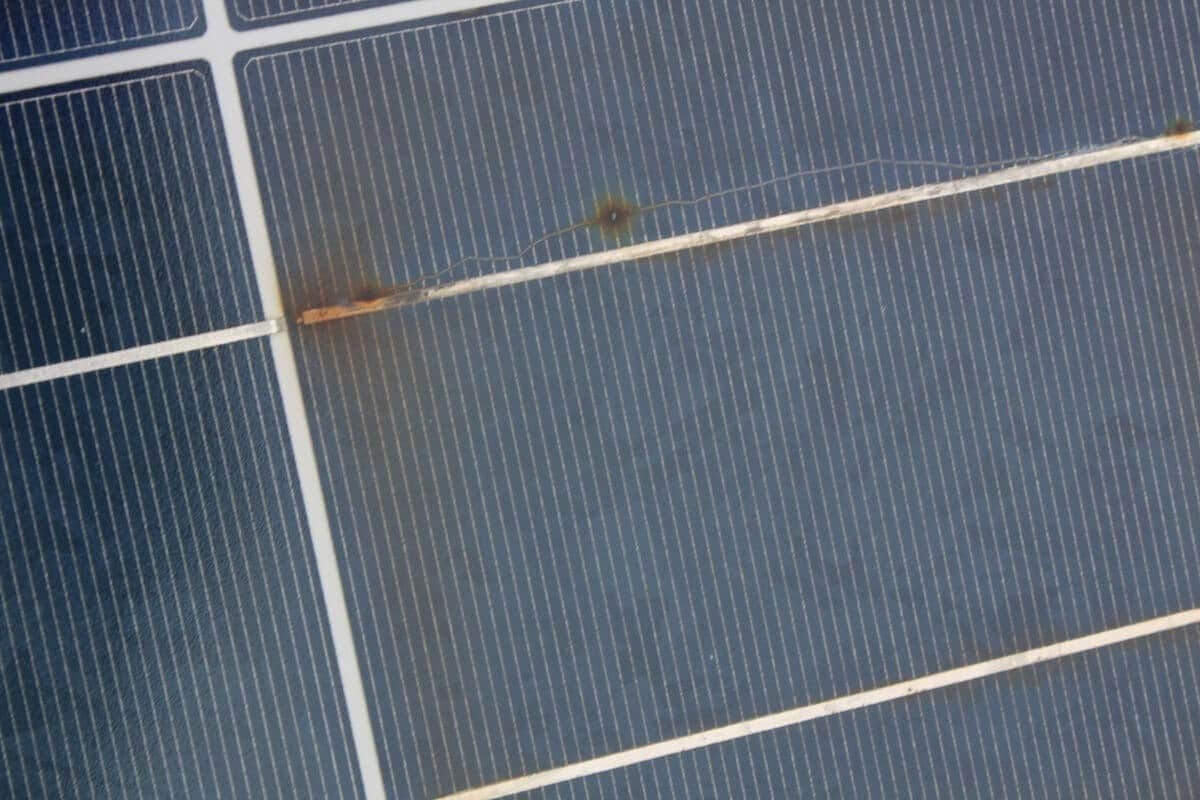
You can prevent solar hot spots by ensuring that your solar system only has high-quality components. Plus, you need to have a comprehensive warranty that covers both product and performance to guarantee long-term safety and efficiency.
Solar panels are a great investment but being prepared for potential issues can save you a lot of time and money. We have outlined the common problems, such as dirty panels, inverter malfunctions, and tiny cracks here. Scheduling regular inspections and consulting a professional if you suspect something is wrong can ensure that your solar system operates effectively through the years.
What can I do if I find a fault with my solar panels?
If you have found a fault with your solar panels, your very first port of call should be the original installer of your solar system. If they are no longer operating, you can contact another local solar installer or a licensed electrician. They will inspect the solar components and take care of any warranty claims if needed. If your system is old and is no longer covered by warranty, you will likely be required to replace the faulty component or the entire system.
Energy Matters has been in the solar industry since 2005 and has helped over 40,000 Australian households in their journey to energy independence.
Complete our quick Solar Quote Quiz to receive up to 3 FREE solar quotes from trusted local installers – it’ll only take you a few minutes and is completely obligation-free.