





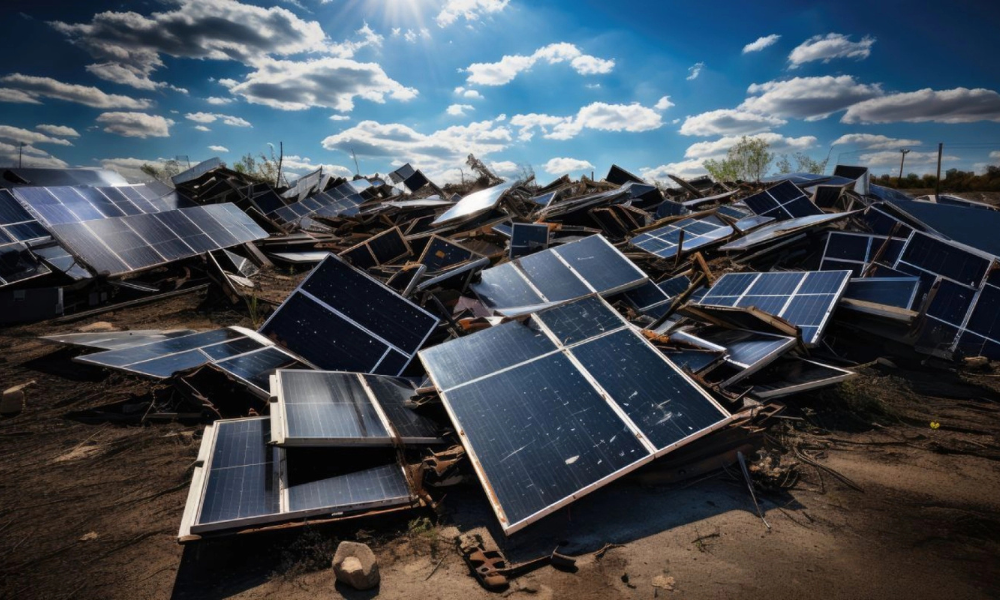
Australia could soon turn its solar panel waste into a silver lining with a technology that mines precious metal without destroying panels. Macquarie University researchers have created a clever process that may reshape the solar recycling industry and launch a new resource stream across the nation.
The solar waste challenge
Solar panels last around 25 years. Soon, Australia will accumulate over one million tonnes of retired panels by 2035. Globally, solar panel waste could reach 60 to 78 million tonnes by 2050. At present, only about 15 per cent of those panels get recycled.
Each panel contains around 20 grams of silver worth roughly A$36. Plus, our planet is craving more silver. Demand is rising 7 per cent annually, expected to hit 20 million kg in 2025, yet supply lags globally by 3.3 million kg. Silver prices jumped from just under US$600 per kilogram in 2018 to about US$1250 (A$1913) now.
The stage is set for a practical and profitable rethink of solar panel recycling.



How the Macquarie method works
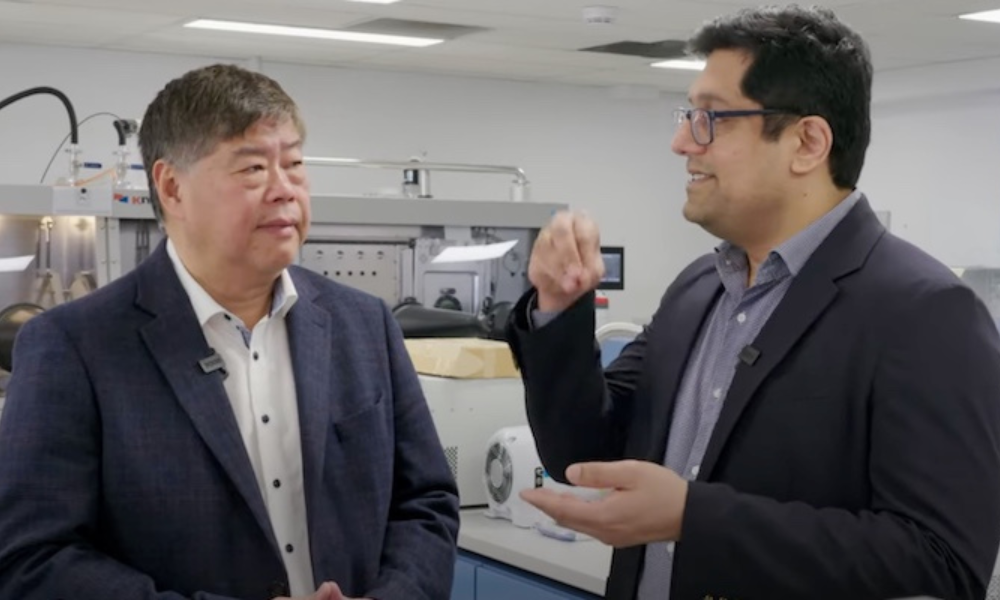
Macquarie University’s researchers, led by Dr Binesh Puthen Veettil and Dr David Payne, developed a clever process called Jet Electrochemical Silver Extraction (JESE). It uses a fine jet of weak acid to target silver on solar panels directly. The result: the silver dissolves fast, while everything else stays intact.
Dr Veettil says, “Our solution is like a pressure washer for removing silver.” It spares the silicon wafer, glass sheets, aluminium, and other components. The silicon wafer remains uncontaminated and could be reused in semiconductor manufacturing.
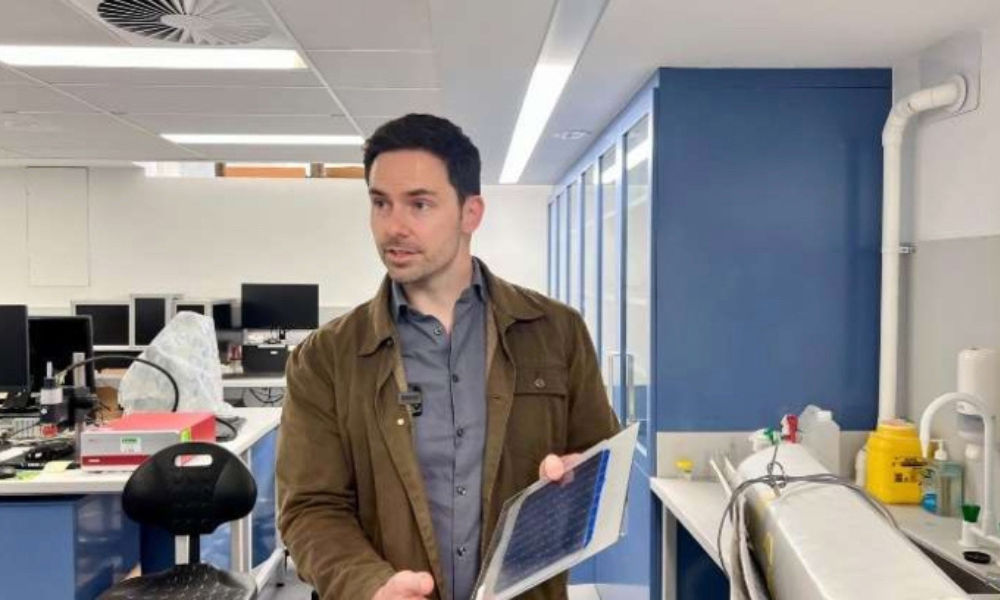
This approach contrasts sharply with traditional recycling. Usually, panels are ground to powder, then treated with harsh chemicals, destroying everything.
JESE shows greater than 77 per cent extraction efficiency and generates minimal waste.
A winning partnership with Lithium Universe
Macquarie University inked an exclusive global licensing deal with ASX-listed Lithium Universe. The deal includes licensing of the JESE technology and their microwave-powered delamination method, worth more than A$500,000 over 20 years.
Lithium Universe CEO Iggy Tan says their partnership brings together Macquarie’s top-tier research with their commercial vision. “Together, we are delivering a breakthrough recycling solution that recovers high-purity silver while preserving wafer integrity.”
Under the deal, Lithium Universe will complete R&D and aims for commercial deployment by 2032. They will pay annual licensing fees and royalties on sales.
The silver extraction works hand in glove with the team’s microwave delamination technology. This separates glass, silicon, and other layers using microwave energy with no grinding or furnace required. It recovers intact glass sheets, preserves silicon wafers, and extracts high-purity silver efficiently.
Finance News Network notes that JESE uses a low-voltage electrochemical jet of dilute nitric acid under controlled voltage to dissolve silver, allowing high-purity recovery and minimal wafer damage.


What it means for Australia and the industry
Resourcing opportunity from waste
As Professor Sam Muller points out, Australia is moving toward 82 per cent renewable energy by 2030. “We’re not just solving the solar waste problem—we’re creating a new resource stream to meet worldwide demand.” JESE turns discarded panels into a domestic source of valuable metals and reduces reliance on mining.
Environmental and economic benefits
This technology aligns with sustainability goals. It reduces landfill and the need for energy- and chemical-intensive mining. It supports circular economy practices: silver, glass, and silicon can be reused. It also aligns with e-waste and producer responsibility policies globally.
Upscaling to more metals
Dr Veettil suggests the method could expand to recover gallium, indium, and copper; metals vital for advanced electronics and solar cells. This could help shore up Australia’s supply chains, now heavily reliant on China for such materials.
Industry impact and future policy
PV-Mag Australia highlights that this “silver bullet” could repurpose resources across electronics and solar manufacturing. SolarBytes notes Lithium Universe will expand recycling efforts to silicon, gallium, and indium in future phases, boosting our green tech sector and sovereignty.
Final thoughts
Macquarie University’s JESE technology could be a game-changer. It offers a smart, resource-efficient, and scalable alternative to conventional recycling. It turns Australia’s looming solar waste into a domestic source of precious metals. It supports renewable energy, reduces e-waste, and strengthens green manufacturing.
If all goes well, this innovation might just be the silver lining our solar waste problem needs.


References:
- Macquarie University. (2025). Macquarie’s solar silver solution strikes gold. Lighthouse.
- EurekAlert. (2025). Solar waste may become Australia’s top silver resource
- Finance News Network. (2025). Lithium Universe signs deal with Macquarie University on solar recycling
- PV Magazine Australia. (2025). Breakthrough extraction technology a silver bullet for solar panel recycling
- Bulls n’ Bears. (2025). Lithium Universe targets silver through solar panel recycling
- List.Solar. (2025). Macquarie innovates solar recycling
- SolarBytes. (2025). Lithium Universe and Macquarie University team up for silver recovery
- USA Solar Cell. (2025). Solar waste may become Australia’s top silver resource