






The Essential Services Commission of South Australia (ESCoSA) is requesting feedback on the possibility of deregulating the state’s solar feed in tariff.
South Australia’s retail electricity market was deregulated in in February 2013, but the retailer-paid feed-in tariff (R-FiT) remained a regulated component and is reviewed annually.
Currently, owners of grid connected solar power systems in the state not under a grandfathered arrangement receive 6.8c per kilowatt-hour for all surplus electricity exported to the mains grid; a level that some consider too low given the value of electricity.
However, solar remains a very good investment in South Australia due to the high cost of mains supplied electricity. According to Energy Matters, a 5.3 kW solar panel system installed in Adelaide can provide a financial benefit of between $2,326 and $3,063 a year; depending on installation scenario and consumption profile.
A regulated minimum R-FiT has been set in each calendar year since 2012, but ESCOSA announced late last week it is commencing a review to determine if a minimum value should continue to be set from 2017.
ESCoSA says the minimum regulated solar feed-in tariff is set at a point allowing retailers some wiggle room to offer more. At the end of January this year, fewer than half of electricity retailers in the state marketing to solar customers were offering feed in tariff rates more than the minimum, with the highest being 10c per kilowatt-hour. This may indicate a lack of competition, although ESCoSA points out other factors may be coming into play.
The Commission says deregulation may increase competitiveness.
“In a competitive market, product differentiation may allow consumer choice and a greater chance of satisfying any single consumer’s particular needs.”
The Commission is inviting submissions for its review and the issues paper along with submission instructions can be viewed here (PDF). Submissions must be made by close of business on Friday, 22 April 2016. The Commission will release its draft decision on the future regulation of the solar feed in tariff for public consultation in mid-June.
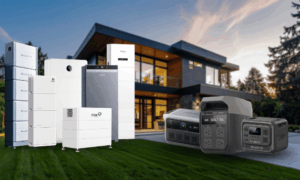
If feed in tariffs should become deregulated and more unfavourable, then home energy storage batteries may become even more attractive to solar owners; but ESCOSA stresses the Commission can reintroduce an R-FiT payment at any time should conditions justify that action. How long such an action would take remains to be seen.
When ESCoSA proposed deregulating the state’s feed in tariff back in 2013, it met stiff opposition based on the experience in New South Wales.
In related news, ESCOSA has urged solar owners to check the fine print on feed-in tariff deals from electricity retailers in case they are being provided a comparatively generous rate, but paying for it through other charges.