
Even the best solar setups experience a seasonal drop-off in winter. Fewer daylight hours, lower sun angles, and more overcast days all contribute to reduced output. However, that doesn’t mean solar stops working. It means strategy starts to matter more.
For homeowners and business operators who depend on solar to offset electricity costs, winter is a pressure point. Understanding how your system performs during the low season and how to plan for it can help you stay in control, avoid bill shock, and maintain consistent energy coverage.
Acknowledge the dip
Solar systems are often sold using average daily output figures. However, those averages smooth over the reality: most systems in Australia produce less in winter and significantly more in spring and summer.
In many parts of the country, especially the southern states, winter output can drop by 30-50% compared to summer. This is due to a combination of:
· Shorter daylight hours
· A lower sun path across the sky
· More cloud cover and rainy days
· Early sunsets, limiting afternoon generation
If your household or business usage stays consistent year-round, or even increases during winter (heating, lighting, longer operating hours), then the seasonal mismatch becomes more noticeable.

Size storage for the low season
Many battery systems are sized based on a home’s daily use during peak generation months. That’s fine in summer when solar surplus is abundant, but it can leave you short in winter.
Winter planning calls for storage capacity that accounts for low-generation days, not just peak production. That means:
· Larger usable capacity: A bigger battery or one with a deeper discharge rating can keep your home or business powered for longer stretches of low sun.
· Smart charge control: Some battery systems allow grid top-ups during off-peak tariff windows. This can help maintain reserve levels during back-to-back cloudy days.
· Prioritised loads: In a pinch, some systems let you isolate and power only essential circuits, keeping fridges, lighting, and key appliances running while conserving stored power.
In short: Don’t treat your battery as a summer backup. Think of it as your winter workhorse.
Match your usage to your output
One of the most effective winter strategies is to shift energy use to match when your system performs best. While that window shrinks in winter, it still exists, typically mid to late morning through early afternoon.
Here’s what you can do:
· Run washing machines, dryers, and dishwashers during the solar window
· Use timers for hot water systems and pool pumps to run during peak sun hours
· Where possible, delay heating until solar is available, or run systems earlier in the day to store warmth
For businesses, this may mean rescheduling energy-intensive processes into daylight hours.
If your solar output can’t fully cover usage, time-of-use (TOU) tariffs become crucial. Using grid electricity during off-peak periods is cheaper and can be managed with smart appliances and timers.
Use monitoring data, not guesswork
Most inverters and battery systems come with monitoring tools, but they’re often underutilised. This data can show you:
· When your solar generation begins to dip
· How storage is performing across seasons
· When you’re relying more on the grid
· What time of day your system is producing the most
This visibility allows you to make smarter decisions. For example, if you notice your battery’s not fully charging until midday in winter, you might shift certain appliances earlier in the day to align with that.
In business settings, this insight can support facility management teams in adjusting heating, lighting, and even operating hours around solar generation patterns.
Explore grid support options
Winter is also a good time to look at financial tools and grid support that can help smooth seasonal swings. These include:
· Feed-in tariffs: While reduced in many areas, feed-in credits from summer surplus may help offset winter shortfalls on your bill.
· Demand-based pricing: Some energy retailers offer plans that reward users who manage peak demand, a strategy easier to control with batteries or load-shifting in place.
· Virtual Power Plants (VPPs): If you’re enrolled in one, your stored energy can be shared to the grid, potentially earning your credits or income even during winter when generation is lower.
Make sure you’re reviewing your energy plan annually to ensure it aligns with how your solar system actually performs, especially in low-output seasons.



Make winter the trigger for a system audit
Rather than waiting for problems to show up on your bill, winter is the perfect time to assess system health:
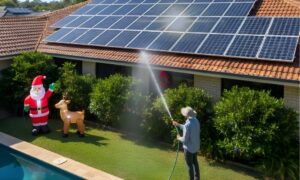
· Are your panels clean and free of shading?
· Are your batteries fully cycling, or sitting underused?
· Is your inverter functioning at expected capacity?
· Are your usage habits working against your system?
By checking your system when it’s under stress, you can identify inefficiencies that may not be visible in summer. This is also the time to consider upgrades, such as adding panels, adjusting tilt angles, or expanding storage.
Winter doesn’t have to be a solar setback. Yes, production dips, but it’s manageable with foresight, smart usage, and good system design. The key is planning for winter, not just getting through it.