




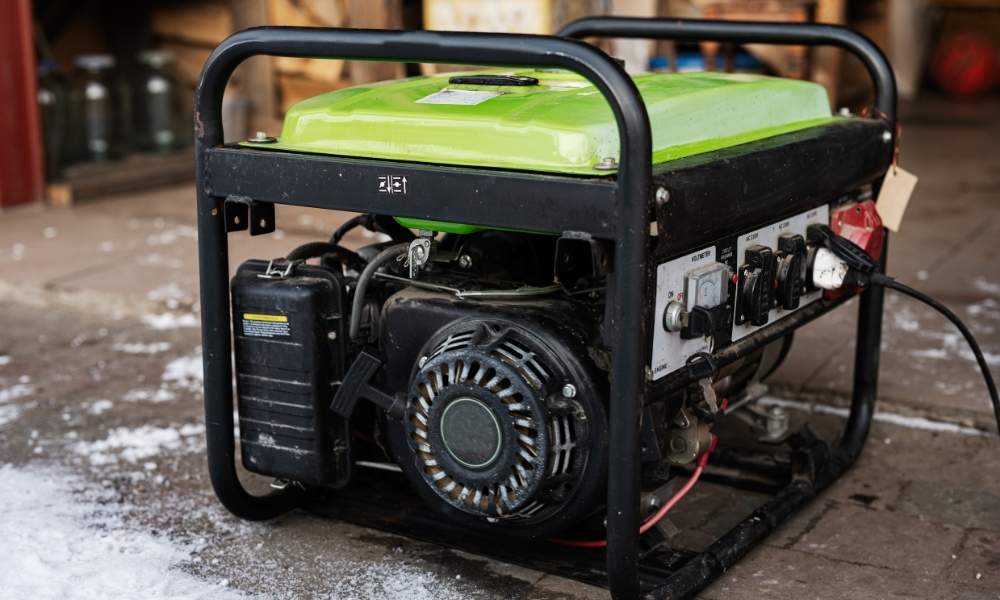
It usually sits in the garage or a corner of the shed, bought for a moment that may never come. A petrol generator. Maybe a few fuel cans beside it. Something to rely on “just in case” the power goes out.
Most of the time, it’s forgotten until an outage hits and the routine changes. Extension cords come out, the engine starts, and suddenly, the house is running on fuel again.
Even in homes with solar on the roof, backup power is often still built around petrol. It’s one of the last systems where fossil fuels remain the default, waiting quietly for the moment they’re needed.
Why generators become the default
For a long time, generators were the only practical way to keep a home running during a blackout. They were relatively affordable, easy to understand, and didn’t require any changes to the house itself. If the power went out, you started the engine, plugged in what you needed, and carried on.
That simplicity made them the default solution. Even as homes added solar panels and modern electrical systems, backup power didn’t really evolve. The generator stayed in the garage, ready for the same job it had always done, even though the way homes produce and use energy has changed significantly.
The problem with generators
Generators work, but they come with trade-offs that become obvious the moment you need them. They’re loud, often running continuously while in use, which can be disruptive in already stressful situations. They also produce exhaust fumes, which means they need time to be operated outdoors and away from living spaces.
There’s also the practical side. Fuel has to be stored safely and kept fresh. The generator needs to be started manually, often in the middle of a power outage, and power is limited to what you can plug in with extension cords.
For something meant to provide security and convenience, the experience can feel anything but simple.
What home batteries change
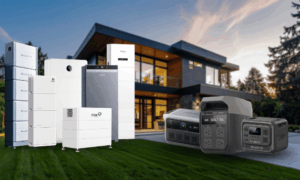
A home battery does the same job as a generator, but in a completely different way.
When the grid goes down, the battery takes over automatically. There’s no engine to start, no fuel to manage, and no noise in the background. The transition is usually seamless, with essential appliances continuing to run as if nothing has changed.
Instead of generating power on demand, the battery stores electricity in advance. That energy can come from your solar system during the day or from the grid, depending on how the system is set up. It shifts backup power from something you activate in an emergency to something that’s already part of how your home runs.


Why this matters if you have solar
For homes with solar, backup power doesn’t need to rely on fuel at all. During the day, your system is already generating electricity. A battery simply stores some of that energy for later use. When the grid goes down, the home can draw on that stored power instead of switching to a generator.
It also changes how outages feel. Instead of scrambling to start an engine and connect appliances, the house continues running quietly in the background, powered by energy it produced earlier.
In that sense, backup power stops being something separate. It becomes part of the same system already running your home every day.
The top brands in Australia
Home batteries are no longer niche products; they’re now offered by many of the same companies involved in solar and home energy systems across the country.
- Tesla: The Powerwall is one of the most recognised home battery systems, known for its integration with solar and automatic backup capability.
- Sonnen: Focuses on energy storage solutions designed for long-term household use and grid independence.
- GoodWe: A well-known name in solar inverters, now offering integrated battery solutions commonly used in Australian homes.
- Fronius: Widely trusted for inverters, with battery-compatible systems that support home energy storage setups.
- Enphase: Known for modular battery systems that pair with microinverter-based solar installations.
The shift is similar to what’s happened across the rest of the home. Energy storage is now becoming a standard part of how modern solar households are designed.
From fuel storage to energy storage
For years, backup power meant keeping fuel on hand for a moment you hoped wouldn’t come. But in homes with solar, energy is already being generated every day. A battery simply holds onto some of that energy instead of letting it go.
The shift is subtle but important. You’re no longer preparing for outages by storing petrol. You’re preparing by storing the electricity your home has already produced.
Energy Matters has been in the solar industry since 2005 and has helped over 40,000 Australian households in their journey to energy independence.
Complete our quick Solar Quote Quiz to receive up to 3 FREE solar quotes from trusted local installers – it’ll only take you a few minutes and is completely obligation-free.