




The first cold stretch of winter usually arrives with a shock. You turn the heater on in the morning, and it runs again at night. Then, the bill lands, higher than expected, even though nothing else in the house feels different.
For many homes, that jump isn’t from appliances or lighting. It’s coming from heating, and in a lot of cases, it’s still powered by gas.
Heating is one of the largest seasonal energy loads in a home, yet it’s rarely questioned. We talk about solar panels and summer cooling, but when winter hits, fossil fuels often take over the house without much notice.
Why heating dominates winter energy use
Heating doesn’t run in short bursts. Once winter sets in, it runs for hours at a time, often morning and night, day after day. That’s what makes it so expensive.
Unlike hot water or cooking, space heating has to work against the outside temperature. The colder it gets, the harder the system has to run to keep rooms comfortable. Over the course of a winter, that steady demand quickly adds up.
For many households, heating becomes the single largest energy use of the year. It’s also the point where gas bills tend to spike, even in homes that are otherwise fairly energy efficient.



Why gas heating became the default
For a long time, gas heating was the obvious choice. Gas was relatively cheap, widely available, and older electric heaters were expensive to run and slow to warm a space. If you wanted reliable warmth in winter, gas felt like the sensible option. That logic stuck.
Even as homes added insulation, double glazing, and reverse-cycle air conditioners, many households kept their gas heaters. Electric heating carried a reputation it hasn’t fully shaken off: inefficient, costly, and uncomfortable.
The problem is that reputation is based on older technology. The way electric heating works in homes today is very different to the systems that shaped those assumptions in the first place.
The heater you already own
Walk through most homes and you’ll find it mounted quietly on the wall or tucked into a corner. A reverse-cycle air conditioner that gets used heavily in summer, then is mostly ignored once winter arrives.
Many households still turn to gas heaters for warmth, even though the air conditioner is designed to heat as well as cool.
Reverse-cycle systems are heat pumps. They don’t generate heat by burning fuel or heating an element. They move heat from outside to inside, which makes them far more efficient than older electric heaters, and, in many cases, cheaper to run than gas.
For a lot of homes, the electric replacement for gas heating is already installed. It just hasn’t been thought of as the primary heater.
Why reverse-cycle changes the economics completely
Traditional electric heaters turn electricity directly into heat. Reverse-cycle systems work differently. They move heat rather than create it.
For every unit of electricity a reverse-cycle air conditioner uses, it can deliver 3-4 units of heat into the home. That efficiency gap is what changes the maths.
In practical terms, it means heating a room with a reverse-cycle can cost significantly less than running a gas heater for the same period, especially in homes that are reasonably well insulated. And unlike gas, the cost doesn’t spike in the same way when the heater runs for long stretches.
This is where the old belief that “electric heating is expensive” starts to fall apart. The technology has changed, but the assumption hasn’t.
Why this makes more sense if you have solar
Winter solar output is lower than summer, but it doesn’t disappear. Your system still produces usable electricity during the middle of the day, often more than the house is using at that moment.
Reverse-cycle heating lets you take advantage of that. You can warm the house during daylight hours, when solar is available, and reduce how hard the system needs to work later in the evening. Some households effectively “pre-heat” living spaces so they stay comfortable for longer after the sun goes down.
Instead of relying on gas every time the temperature drops, you’re using the electricity your roof is already generating. It turns winter heating from a fossil-fuel default into something that can work with the rest of your home’s energy setup.

Comfort, control, and indoor air quality
Gas heating warms a space by burning fuel inside the home. Reverse-cycle heating doesn’t burn anything at all.
That difference matters. There’s no combustion, no fumes, and no by-products released into the air you’re breathing. For many households, this means cleaner indoor air and fewer issues with dryness or irritation during winter.
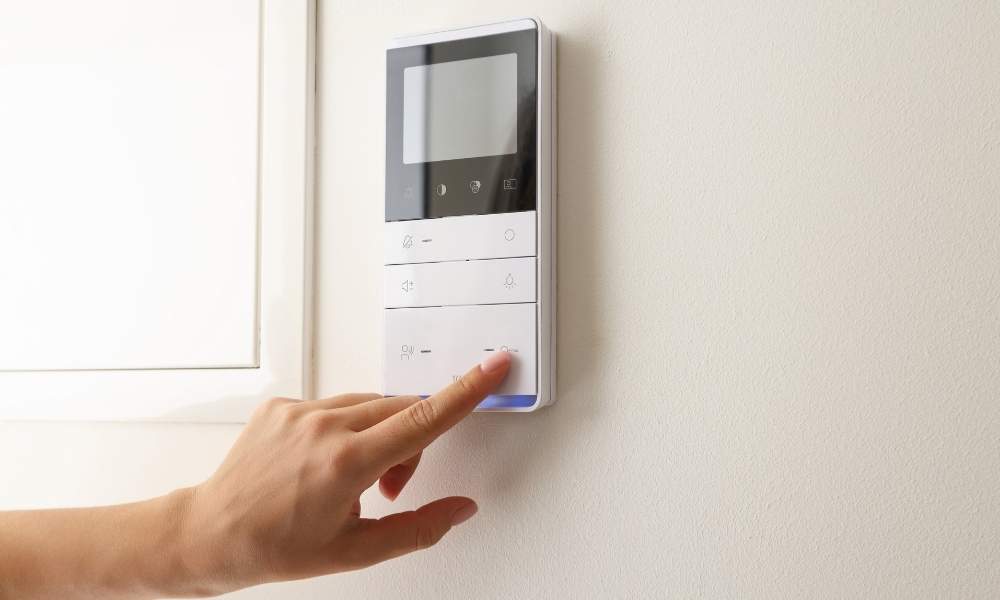
There’s also a big shift in how heating feels. Reverse-cycle systems offer steady, even warmth rather than bursts of heat. Timers, thermostats, and zoning make it easier to control when and where heat is used, instead of heating the whole house whether it needs it or not.
For a lot of people, the comfort upgrade is as noticeable as the bill savings.
When gas heating can still make sense
There are situations where gas remains a practical option.
Homes in very cold climates, poorly insulated houses, or properties without sufficient electrical capacity may still rely on gas for consistent warmth. Some older homes also use ducted gas systems that would be costly to replace all at once.
But for many suburban homes with reverse-cycle air conditioning already installed, gas heating often stays in use simply because it always has been. As electricity prices, solar uptake, and heating technology have changed, the reasons for sticking with gas have quietly weakened.
For most households, the decision is no longer about whether electric heating works. It’s about whether there’s still a reason not to use it.
The biggest fossil-fuel habit in winter
When winter arrives, heating quietly becomes the dominant energy use in the house.
For many homes, that still means burning gas indoors day after day, even though an electric alternative is already installed on the wall. Reverse-cycle heating doesn’t feel new or dramatic, which is why it’s often overlooked. But in practice, it’s one of the most effective ways to cut fossil-fuel use and reduce winter energy costs.
Heating isn’t a small upgrade. It’s the point where fossil fuels take over the house for months at a time.
You electrified your roof. Your winter heating is often the next thing waiting to catch up.
Energy Matters has been in the solar industry since 2005 and has helped over 40,000 Australian households in their journey to energy independence.
Complete our quick Solar Quote Quiz to receive up to 3 FREE solar quotes from trusted local installers – it’ll only take you a few minutes and is completely obligation-free.