
When most Australians go solar, the focus is usually on the panels… and it makes sense. They’re the most visible part of the system, and they often come with impressive performance guarantees of 25 years or more. But behind the scenes, your inverter and the battery are quietly doing the hard work.
They convert and store energy, manage your power flow, and help you use solar day and night. And because they work harder, they also tend to wear out a little sooner than the panels they support. That’s completely normal, but it’s something worth planning for.
Understanding the full picture of your solar warranty
It’s easy to assume that all parts of a solar system are covered under the same kind of warranty. In reality, different components have different terms, and it’s important to know how they vary.
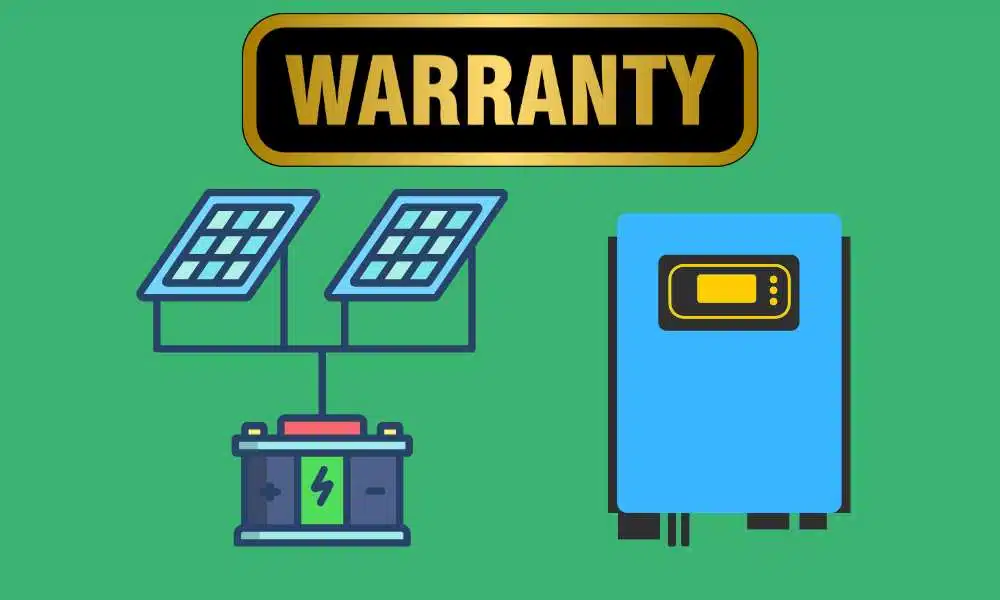
· Solar panels: Typically come with a 10-15 year product warranty, and a 25-30 year performance warranty guaranteeing a certain level of power output.
· Inverters: Usually covered for 5 to 10 years, depending on the brand. Some offer optional warranty extensions.
· Batteries: Often have 10-year warranties, but these may also be based on energy usage (how often you charge and discharge them).
These differences don’t mean you should worry. They just mean it’s worth asking a few questions before you buy.



Why inverter and battery warranties work differently
Unlike panels that sit on your roof and soak up the sun, inverters and batteries are actively working all day. That extra effort is why they tend to have shorter warranty periods.
· Inverters act as the brain of your solar system. They convert DC electricity into AC power you can use in your home, and they’re constantly monitoring and adjusting your system. Since they run constantly, they usually need replacing after about 10-15 years.
· Batteries store excess solar power for use at night or during cloudy days. They’re designed to cycle every day. That repeated use naturally wears them down over time, so warranties often reflect this by including limits based on time, energy throughput, or charge cycles.
Knowing this upfront simply helps you budget and plan for future upgrades. It’s not a downside, it’s just a part of smart solar ownership.
Common mistakes to avoid (and how to get it right)
Most warranty issues are avoidable with a bit of planning and the right installer. Here are a few things to keep in mind:
· Use an SSA-accredited installer. This ensures your system is installed to Australian standards. In many cases, using an unaccredited installer can void your inverter or battery warranty.
· Think about where your battery will live. Batteries don’t love extreme heat or moisture. If you’re in a hot or coastal area, ask your installer about suitable enclosures or shaded spaces to maximise lifespan and protect your warranty.
· Ask what happens if a company closes. While the Australian solar industry is more stable, it’s still wise to know who will support your warranty, especially if the installer or manufacturer is based overseas.
- Understand the difference between a manufacturer’s warranty and the installation warranty. Your installer will offer an installation warranty that is seperate to the product warranty.
What Australian Consumer Law adds to your protection
Even if a formal warranty expires or has fine print, Australian Consumer Law (ACL) still offers you protection.
Products sold in Australia must be of acceptable quality and last a reasonable amount of time. So if something goes wrong sooner than it reasonably should, you may still be entitled to a repair or replacement.
This is a safety net, and it’s good to know you’re backed by more than just a piece of paper.
Questions to ask before you sign anything
If you’re considering a solar setup or an upgrade, here’s a handy checklist of things to ask your provider:
· Is the inverter covered for at least 10 years?
· Is the battery warranty based on time, usage, or both?
· Can I extend the warranty if I want to?
· Who handles a warranty claim?
· What happens if the company goes out of business?
Getting clear answers early on helps ensure your solar journey is smooth and stress-free.

Plan for the long game
Going solar is one of the best decisions you can make for your home and your energy bills. But like any smart investment, it’s worth understanding what supports it, what keeps it running, and how long each piece is expected to last.
While panels tend to last decades, batteries and inverters play a more active role, and that means they deserve a bit more attention when it comes to warranties.
With a trusted installer, a few good questions, and a little planning, you’ll be in the best position to enjoy years of clean, low-cost energy with confidence.