

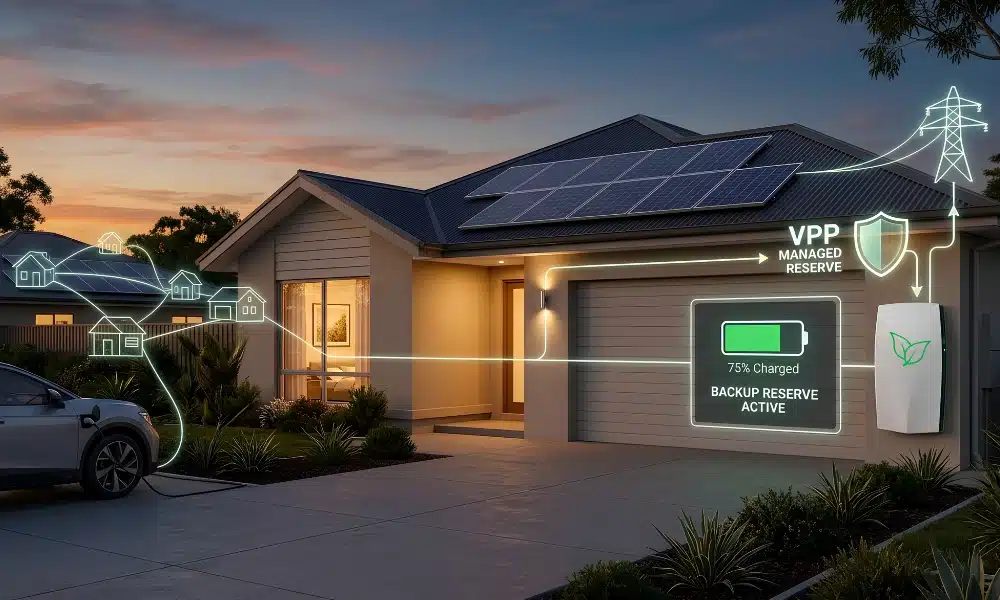
Many Australian homeowners ask the same question: Will a VPP drain my battery when I need it most? As Virtual Power Plants (VPPs) become more common, concerns about losing access to stored solar energy have grown. The good news is that most of these fears are based on myths rather than facts. Understanding how a VPP works can help you decide whether joining one is right for your home and your energy goals.
Australia is leading the way in battery adoption. As more households install solar batteries, VPP programs are becoming an attractive way to earn extra value from stored energy. But before signing up, it’s important to separate fact from fiction.
What is a VPP and how does it work?
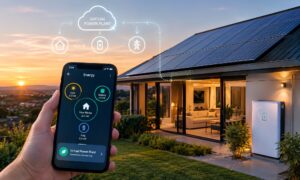
A virtual power plant (VPP) is a network of home batteries and solar systems linked by software. Instead of one big generator, you get thousands of small ones — households like yours — working together to supply electricity to the grid when demand spikes.
In Australia, VPPs are run by energy retailers and technology companies. Programs like AGL Virtual Power Plant, Amber Electric, Origin Loop, and Tesla Energy Plan connect home battery owners across the country. The grid operator calls on these batteries during peak demand events, usually on hot afternoons or early evenings. For more information, visit our VPP offers page in Australia.


The big VPP myth: ‘It will drain my battery’
This is the most common worry — and it’s understandable. The idea of a third party controlling your home battery feels risky. But the reality is far more controlled than people think.
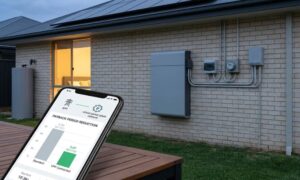
Every reputable VPP in Australia sets a minimum battery reserve. This is the percentage of charge your battery must keep before any VPP export kicks in. So if your reserve is set to 30%, the VPP can only use energy above that threshold. Your home is protected first.
Here’s what actually happens during a VPP dispatch event:
- The network operator sends a signal to your battery management system.
- The battery checks your current charge level against your reserved minimum.
- Only energy above that reserve is available to export to the grid.
- The event usually lasts 30 to 90 minutes, not hours.
- Once the event ends, your battery can be recharged by your solar panels or the grid.
VPP providers also know that a dead battery is useless. Draining your system to zero works against them, too. The financial model only works if your solar battery storage is charged and available — so they have every reason to treat your reserve with care.
VPP myths vs. reality: Quick reference table
| VPP Myth | What People Fear | The Reality |
| The battery will be drained | No power left for your home | Reserve minimums protect your home supply |
| You lose control | Can’t use your own battery | You can opt out of individual events |
| Always bad timing | Exports during your peak usage | Events are short and scheduled intelligently |
| No financial benefit | Earn nothing meaningful | Credits reduce or eliminate electricity bills |
| Grid instability | Your system damages the grid | VPPs improve grid stability by design |
Use Energy Matters’ easy-to-use solar power and battery storage calculator to determine the size of your solar system with storage! Our solar calculator will generate performance information and potential savings.
We can send this information to 3 of our pre-vetted, trusted local installers in your area so they can provide obligation-free solar quotes and take the first step toward true energy independence!

Other common VPP myths debunked
Myth: You lose control of your battery entirely
Not true. You remain the owner and primary user of your battery. Most VPP programs let you opt out of individual dispatch events. Some even let you log in to an app and pause participation if you know you’ll need full capacity that day — like before a heatwave or a long weekend at home.
The VPP operator controls exports, not your day-to-day energy decisions. Your household still runs off your solar and battery first, exactly as it did before you joined.
Myth: VPP events always happen at the worst time
VPP dispatch events are triggered by grid demand signals, not randomly. In Australia, AEMO (the Australian Energy Market Operator) calls on VPPs primarily during peak-demand windows — typically between 4 pm and 8 pm on hot weekdays. These are also the hours when your solar generation is winding down, and the grid needs extra support.
By that point in the day, a well-charged battery might be sitting at 80–90% capacity. A VPP event that draws it down to 30% still leaves you with power through the evening. In many cases, you’d barely notice.
Myth: The financial returns are negligible
This one is worth examining properly. VPP earnings vary by program and participation level. Some households earn a few hundred dollars a year in bill credits. Others, particularly those in high-dispatch programs, can offset a significant portion of their electricity costs.
Beyond direct credits, many VPP programs also offer better feed-in tariffs or access to cheaper off-peak rates for battery charging. The financial picture is often better than people expect — especially as electricity prices in Australia continue to rise.
Myth: VPPs are bad for your battery’s long-term health
Battery degradation depends on cycle depth and charge rate, not just total cycles. A VPP event that uses 20–40% of your battery capacity at a normal discharge rate is not particularly stressful on the cells. It’s similar to running your home appliances for a few extra hours.
Modern lithium iron phosphate (LFP) batteries, which power most home systems in Australia, are designed for daily cycling. Manufacturers, including Tesla and BYD, have confirmed that participating in approved VPP programs does not void warranties on their compatible systems.

The real benefits of joining a VPP
A VPP can offer several advantages beyond grid support. Depending on the provider, participants may receive:
- Upfront sign-up incentives
- Annual payments
- Electricity bill credits
- Reduced energy rates
- Participation rewards
The bottom line on VPP battery drain
The fear that a VPP will drain your battery at the worst moment is one of the most persistent myths in Australian home energy. In practice, reserve protections, short event windows, and opt-out rights mean your home supply stays protected. VPPs are built to work with your battery — not against it.

Take control of your energy future with Energy Matters
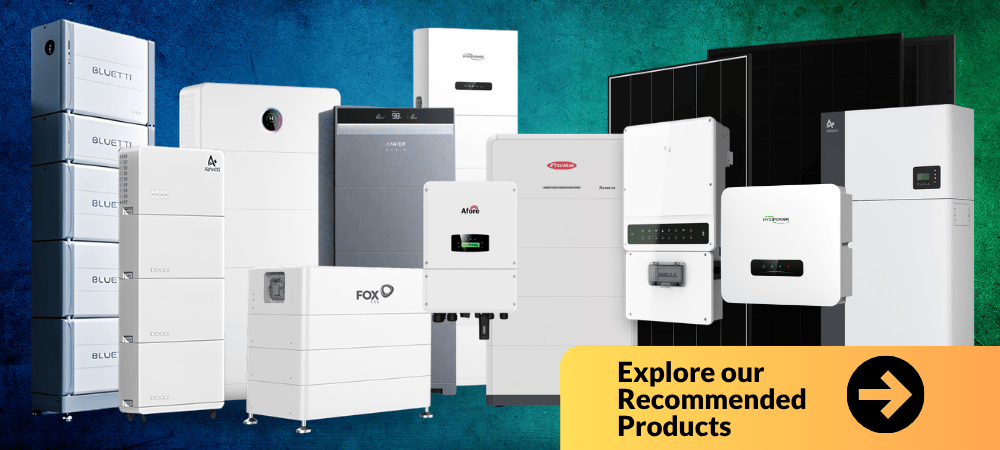
Thinking about installing a solar battery or joining a Virtual Power Plant? The solar experts at Energy Matters can help you compare battery systems, understand VPP opportunities, and maximise the value of your solar investment.
Get free solar and battery quotes through Energy Matters today and discover how smart energy solutions can help reduce your electricity bills while supporting Australia’s clean energy future.
Visit Energy Matters today and take the next step toward greater energy independence.