





Solar skins are redefining sustainable architecture in Australia by embedding energy generation into building surfaces. This emerging solar skin technology combines aesthetics and function while advancing building‑integrated photovoltaics (BIPV) solutions. As next‑gen solar panels evolve, sustainable building materials like thin‑film facades become mainstream. Australia’s architectural landscape is entering a transformative era.
These innovative, customisable overlays promise to seamlessly integrate solar technology into building designs, moving beyond mere energy generation to create truly harmonious and eco-friendly structures. This shift will not only accelerate renewable energy adoption but also reshape the very fabric of Australian cities. Discover how solar skin architecture can transform energy efficiency, design innovation, and carbon neutrality.


What are solar skins, and how do they work?
In Australia, solar skins refer to photovoltaic modules integrated into facades, windows, or roofs, where the surface itself generates electricity.
This solar skin technology uses thin‑film or crystalline PV embedded in glass or tiles, turning architectural surfaces into power sources.
As part of building‑integrated photovoltaics (BIPV), solar skins replace conventional cladding while maintaining structural and visual integrity.
The rise of solar skin architecture in Australia
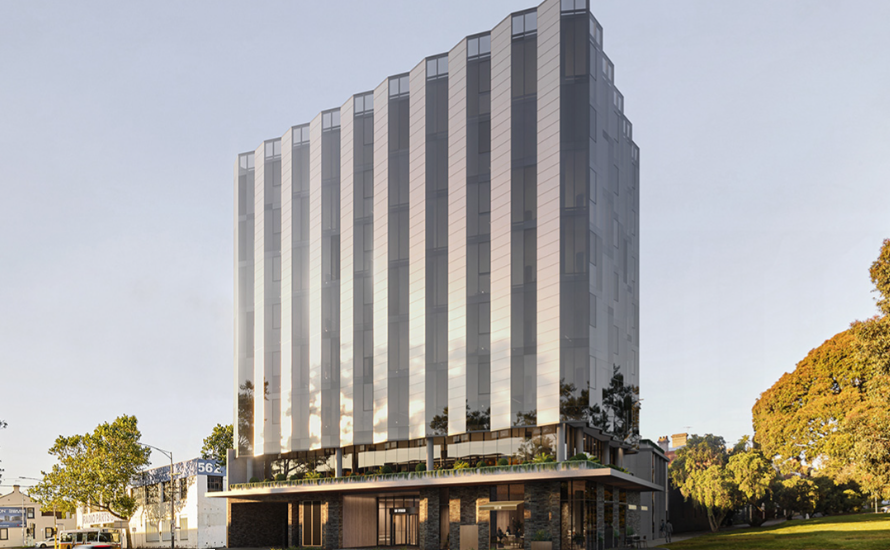
Australia is leading the way in solar skin architecture with projects like Melbourne’s 550 Spencer. This landmark used nearly 1,200 thin-film panels integrated into the glass facade, generating enough electricity to cover almost all of its energy needs and reducing 70 tonnes of CO₂ emissions each year – image: 550 Spenser, source: Archello.

Why solar skin technology matters for sustainable buildings
- Energy efficiency meets design: Solar skins offer clean lines and customisable colour, allowing facade aesthetics to blend with function.
- Reduced carbon footprint: Building surfaces generate power directly from sunlight, reducing reliance on fossil fuels and utility grids. Use Energy Matters’ carbon footprint calculator to calculate your household and business’s direct emissions.
- Longevity with multi‑function materials: BIPV coatings act as weather‑proof facades and PV sources, cutting material duplication.
Key benefits over traditional solar approaches
- Seamless integration: Unlike bulky rooftop panels, solar skins merge with facade surfaces, improving visual harmony and architectural intent.
- Enhanced performance: Next-gen solar panels using thin-film or perovskite cells can be semi-transparent or coloured, enabling daylight while producing electricity.
- Versatile BIPV forms: Solutions range from solar tiles to flexible laminates and custom facades. These forms expand sustainable building materials options across residential and commercial sectors.




The decade ahead on solar skin: A vision for Australia
Over the next decade, Australia is poised to see a dramatic increase in the adoption of solar skins. As efficiency improves and costs continue to decrease, these aesthetic solar solutions will become increasingly common in both residential and commercial projects. Government solar rebates, incentives, and a growing public awareness of climate change will further speed up this trend.
We can anticipate:
Increased residential adoption: Homeowners, no longer constrained by the bulky appearance of traditional panels, will embrace solar skins for their aesthetic appeal and energy-saving benefits.
Innovative commercial designs: New commercial buildings will feature stunning solar facades that not only power the premises but also serve as powerful statements of corporate sustainability.
Retrofitting opportunities: Even existing buildings, including heritage properties, will find new opportunities for solar integration without compromising their historical character, thanks to the discreet nature of solar skins.
Integrated urban planning: Urban planners will increasingly factor solar skins into new developments, creating entire precincts that are energy self-sufficient and visually cohesive.
The cumulative effect of these trends will be a significant step towards Australia’s ambitious renewable energy targets and a more resilient, sustainable built environment.
Examples of future use in architecture
- High‑rise towers clad entirely in solar skins that supply base load power and reduce grid dependencies.
- Public buildings and schools are using solar facade design that doubles as shading and an energy source.
- Innovative solar roof tiles are embedded within sustainable building materials that complement other BIPV surfaces.
- Smart solar glass systems using next‑gen transparent PV or quantum dot concentrator glazing integrated into windows that capture energy while allowing light and view.
Challenges to address on solar skin
- Cost premiums: Initial installation of solar skin technology can be higher than conventional façade systems, though lifecycle savings can offset upfront cost.
- Regulatory and safety compliance: Approved testing and building code adaptation are essential for BIPV on facades—550 Spencer required special approvals.
Designing with solar skins: Best practices
- Collaborate early between architects, engineers, and solar specialists to ensure facade function and solar integration align.
- Prioritise north-facing or highly exposed surfaces to optimise energy yield, especially with thin-film panels or semi-transparent glazing.
- Choose solar skins with colour or transparency options to balance daylighting, thermal comfort, and visual coherence.
- Leverage local manufacturers to support tailored solutions and supply‑chain reliability.
The future of sustainable architecture in Australia is undoubtedly bright, and solar skins are illuminating the path forward. By merging cutting-edge solar technology with aesthetic versatility, they are transforming how we design and power our buildings. This evolution allows for a harmonious blend of form and function, accelerating Australia’s transition to a cleaner energy future. Don’t just build, empower your structure! Explore the possibilities of solar technology’s sustainable revolution with Energy Matters today. Visit Energy Matters for solar energy expert advice and innovative solar solutions.