




The whine of line trimmers. The roar of leaf blowers, the rumble of mowers, the sharp buzz of hedge cutters. Across the street, down the block, the whole neighbourhood sounds like a row of small engines waking up at once.
It’s so familiar that no one questions it. The smell of two-stroke fuel, the pull cords, the noise, the maintenance. It’s simply how yard work has always been done.
But while the house itself is running more and more on electricity from the roof, the shed often hasn’t caught up. And for most suburban homes, nearly every one of these petrol garden tools now has a battery version that does the same job without the fuel, the fumes, or the noise.
The mower is only the beginning
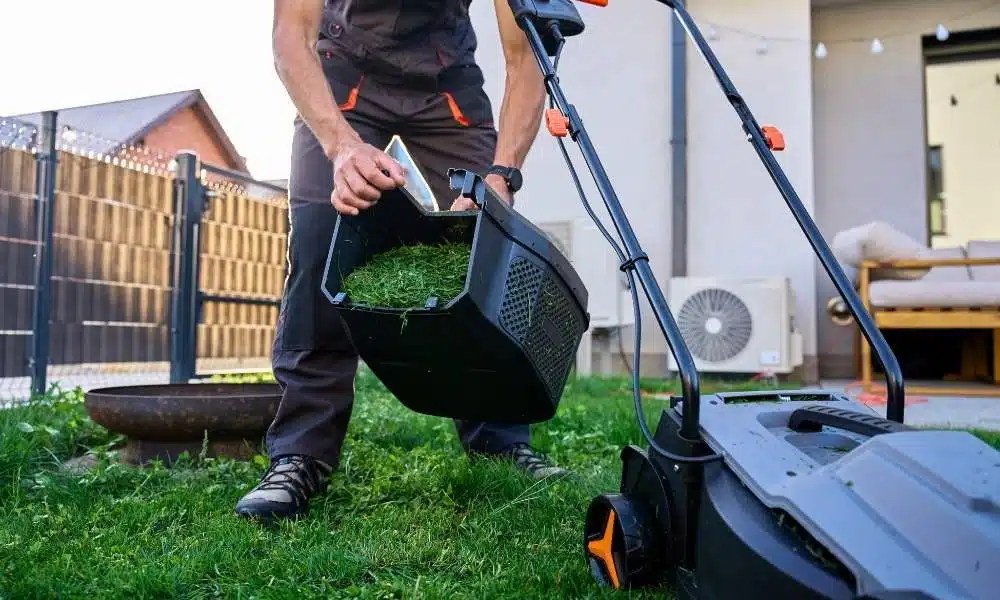
The lawn mower is usually the biggest and loudest tool in the shed, which is why it’s often the first one people think about replacing. Many households have already found that modern battery mowers can handle small to medium suburban lawns without the pull cords, fuel storage, and regular servicing petrol models need.
But the mower is only the beginning.
Once you’ve used a tool that starts with a button, runs quietly, and doesn’t smell like fuel, it changes how you look at the rest of your garden equipment. The same petrol hassles you accepted for years are still there in the line trimmer, the blower, the hedge cutter, and even the chainsaw on the wall.




The line trimmer is where petrol gets closest to you
A petrol line trimmer puts the engine right beside your body. The fumes sit at face level. The vibration runs through your hands and arms. And starting it after a few weeks in the shed can mean repeated pulls on the cord and the familiar smell of fuel lingering in the air.
Battery line trimmers remove most of that friction. They start instantly, run far quieter, and are noticeably lighter to handle. For the edging and trimming most suburban yards need, modern battery models have more than enough power and runtime to finish the job in one go.
It’s often the first tool where people realise how unnecessary the petrol engine has become.
The leaf blower doesn’t need an engine at all
Leaf blowers are often the loudest tool in the shed, even though the job they do is relatively simple. Move dry leaves, grass clippings, and debris off paths and lawns. Yet petrol versions come with the same pull starters, fumes, and engine noise as a mower.
Battery blowers deliver the same air speed and clearing power most homes need without the roar that carries down the street. They’re lighter, easier to grab for quick clean-ups, and far more convenient when you only need a few minutes of use rather than a full yard session.
For many households, this is the tool that makes the switch feel obvious. There’s very little reason for a petrol engine to be involved in moving leaves.
Hedge trimmers are easier to handle without petrol
Petrol hedge trimmers carry their weight in the engine. That extra bulk, combined with vibration and noise at head height, makes longer trimming sessions tiring. Add in fuel storage and maintenance, and it becomes another tool that feels more complicated than it needs to be.
Battery hedge trimmers are noticeably lighter and far quieter, while still having enough cutting power for the hedges and shrubs found in most suburban gardens. They start instantly, don’t vibrate as harshly, and are easier to control when working along fences or above shoulder height.
For many people, this is where yard work starts to feel less like handling machinery and more like using a simple tool.

A chainsaw for light jobs doesn’t need petrol either
Most households don’t use a chainsaw for heavy logging. It comes out for pruning thick branches, cutting up fallen limbs after a storm, or trimming back overgrown trees a few times a year. Yet the tool hanging in the shed is often a petrol model designed for far more demanding work than most homes ever need.
Battery chainsaws are now common for this kind of light-duty use. They’re easier to start, lighter to handle, and far less intimidating for occasional jobs around the yard. There’s no fuel to mix, no pull cord, and no engine noise adding to the task.
For small branches and general maintenance, they offer more than enough cutting power without the complications of a petrol engine.
One battery can run the whole shed
The real shift isn’t any single tool. It’s the way they now work together.
Most major brands design their garden tools around a shared battery platform. The same battery that runs your mower can slot into the line trimmer, the leaf blower, the hedge trimmer, and the chainsaw. One charger on the wall. A couple of spare batteries on the shelf. Everything is ready to go without a drop of fuel in the shed.
This is where garden tools start to feel less like a collection of small engines and more like an extension of your home’s electrical system.
Instead of storing petrol, you’re storing charged batteries. Instead of maintaining engines, you’re simply swapping packs between tools.
Why this makes more sense if you have solar
Charging garden tool batteries uses very little electricity compared to most household appliances. A few hours on charge during the middle of the day is often enough to power an entire yard session later on.
For homes with solar, this becomes an easy way to use energy that would otherwise be exported to the grid for a low feed-in tariff. You charge the batteries while the sun is out, then use that stored energy to mow, trim, and clean up whenever it suits you.
The result is simple. Your yard work is no longer powered by petrol from the servo, but by electricity that your roof produced earlier in the day.
The brands Australians already know are leading the change
- Ryobi (ONE+ system): Widely available through Bunnings. One of the most common battery platforms in Australian sheds, with the same battery fitting dozens of garden and workshop tools.
- Makita: Long trusted for power tools, now with a strong range of battery garden equipment that suits homeowners and professionals.
- Stihl (battery range): Known for petrol outdoor tools, Stihl’s battery lineup is increasingly popular for quieter, lighter yard work without sacrificing performance.
- Ego: Built its reputation around high-performance battery garden tools, often discussed for strong runtime and power comparable to petrol models.
The key point is familiarity. These are brands many people already own, now offering electric versions of the tools they’ve always used.

When petrol tools can still make sense
There are situations where petrol garden tools remain the practical choice. Large properties, heavy overgrowth, and long sessions of continuous cutting can demand more runtime than a typical battery setup provides. Professional landscapers and people managing acreage often need the sustained power that petrol engines deliver.
For most suburban homes, though, yard work is shorter, lighter, and more occasional.
That’s where battery tools now fit comfortably, doing the same jobs without the fuel, noise, and maintenance that petrol brings with it.
Seeing the shed differently
The kitchen is electric. The laundry is electric. The roof is producing electricity every day.
But in many homes, the shed is still full of small petrol engines running out of habit rather than necessity.
Replacing garden tools one by one with battery versions doesn’t feel like a major upgrade. It simply feels easier. Quieter. Cleaner. And powered by the same electricity that the rest of the house already uses.
The shed, it turns out, is just waiting to catch up.
Energy Matters has been in the solar industry since 2005 and has helped over 40,000 Australian households in their journey to energy independence.
Complete our quick Solar Quote Quiz to receive up to 3 FREE solar quotes from trusted local installers – it’ll only take you a few minutes and is completely obligation-free.