





A proposal to create renewable energy zones would see new wind, hydro and solar power generators clustered together.
The Australian Energy Market Commission (AEMC) is exploring ways to create zones that allow new sustainable generators to connect to the power system at lowest possible cost.
An AEMC discussion paper launched this week calls for new zone designs to alleviate network congestion. This will then ensure growing levels of solar power, wind and pumped hydro generation can safely connect to the grid.
Importance of renewable energy zones
Because of surging renewable growth in Australia, the grid may lack enough transmission capacity to connect and integrate new generation sources.
With 45 GW of renewable generation subsequently expected to enter the Australian market, the AEMC also wants to limit the impact of rising electricity costs on consumers.
According to the discussion paper, coordinated investment in generation and transmission will help keep costs down.
Finkel Review recommended renewable energy zones
The Finkel Review of Australia’s energy network advised the creation of renewable energy zones to help integrate new generators into the transmission network.
The discussion paper also explores the way different zone models can impact household electricity prices.
For example, some models leave consumers bearing the risk of new infrastructure costs. Because of market uncertainty, transmission lines may then be built for a renewable energy zone which fails to eventuate.
Other models place the risk with energy companies. The opinions of industry stakeholders are therefore requested to ensure the best possible renewable energy zone is created.
Some zone designs would easily fit the existing regulatory framework, the paper says. Others, however, require changes to accommodate them.
Integrating battery storage into the National Electricity Market
The AEMC paper also explores the future role of utility-scale commercial energy storage in the National Electricity Market (NEM).
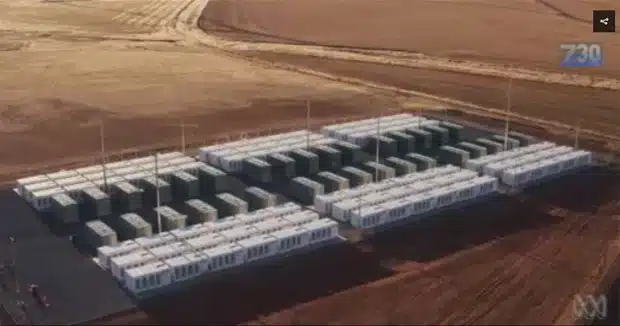
The Tesla mega battery at Hornsdale Wind Farm in South Australia has already proved the effectiveness of batteries to stabilise the network.
According to the AEMC, the Tesla battery has exposed trouble spots in the grid. With more storage facilities coming online, it’s vital to iron out these network issues.
The AEMC suggests there are no major barriers in the way of connecting new battery storage to the network.
The Commission invites comments from interested parties in response to this discussion paper by May 18, 2018. Visit the website here.