



Are you tired of paying two sets of daily connection fees on your utility bills? Many Australian households are making a major shift in how they power their daily lives. Discovering what all-electric living is is the first step towards a cheaper, cleaner, and healthier household.
By removing gas and switching to modern electric options, you can take full control of your energy choices. Let us dive into this ultimate Aussie guide to creating efficient, gas-free homes.
Ready to start saving with renewable energy technology? Energy Matters can help you transition to an all-electric home with free quotes from local experts.
Defining the shift: What does all-electric living actually mean?
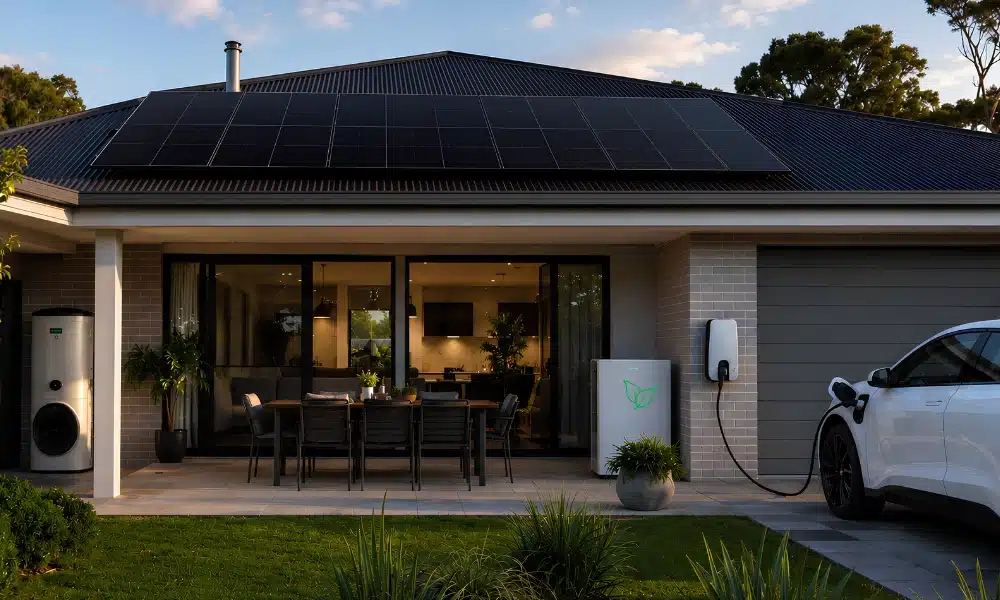
An all-electric home runs entirely on electricity — there’s no gas connection at all. That means no gas stove, no gas hot water system, and no gas heater. Instead, every appliance in the home runs on electricity from the grid, solar panels, or a home battery.
It’s not a new concept, but it’s gained serious momentum in Australia over the last few years. Advances in heat pump technology, induction cooking, and solar storage have made going gas-free easier, cheaper, and more practical than ever before.
An all-electric lifestyle also opens the door to whole-home energy management — especially when you pair your home with rooftop solar and a battery. You can generate your own clean energy to run your appliances, charge your electric vehicle (EV), and reduce your bills.
Powering up your EV with solar
If you’re thinking of buying an EV, adding an EV charger to your solar system is a smart way to “fuel” your car with clean, renewable energy.


Why Australia is going gas-free
Australia is in the middle of a major energy transition. State and federal governments are actively encouraging — and in some cases requiring — the shift to all-electric homes.
Here’s what’s happening across the country:
- Victoria banned new gas connections for homes requiring planning permits from 1 January 2024. From January 2027, the ban extends to all new residential and commercial buildings.
- The ACT became the first state or territory to pass legislation banning gas in new homes, with the ban backed by 100% renewable electricity.
- Sydney‘s City Council approved all-electric rules for new residential buildings, with indoor gas appliances restricted from January 2026 and full all-electric requirements from January 2027.
- NSW, Victoria, and Queensland have all set targets to phase out gas connections to new homes and businesses.
This isn’t just policy for policy’s sake. The shift is driven by real economic, health, and environmental reasons — and most Aussie homeowners stand to benefit.

The key appliances in an all-electric home
Making the switch to all-electric living means replacing gas appliances one by one — or all at once if you’re building new. Here are the main appliances involved:
1. Heat pump hot water system
A heat pump hot water system is the electric replacement for a gas water heater. It works by drawing heat from the surrounding air to heat your water, making it up to three times more efficient than a conventional electric element.
Running costs are significantly lower, and when paired with solar panels, your hot water can be essentially free during sunny hours. Rebates are available in most states to help with the upfront cost.
2. Induction cooktop
Induction cooktops heat pots and pans directly using an electromagnetic field, rather than an open flame. They’re faster, safer, and more energy-efficient than gas cooktops — with efficiency ratings of 85–90% compared to around 40% for gas.
They’re also easier to clean, more precise in temperature control, and don’t produce the indoor air pollutants linked to gas burners. Many households find it easier to cook once they make the switch.
3. Reverse cycle air conditioner
A reverse cycle air conditioner (also called a heat pump for space heating) provides both heating and cooling from a single unit. It’s the most energy-efficient way to heat a home and costs far less to run than gas ducted heating in most Australian climates.
Modern reverse cycle systems can operate efficiently even in cold conditions, making them a practical replacement for gas heaters in Victoria, Tasmania, and the ACT.
4. Solar panels and home battery
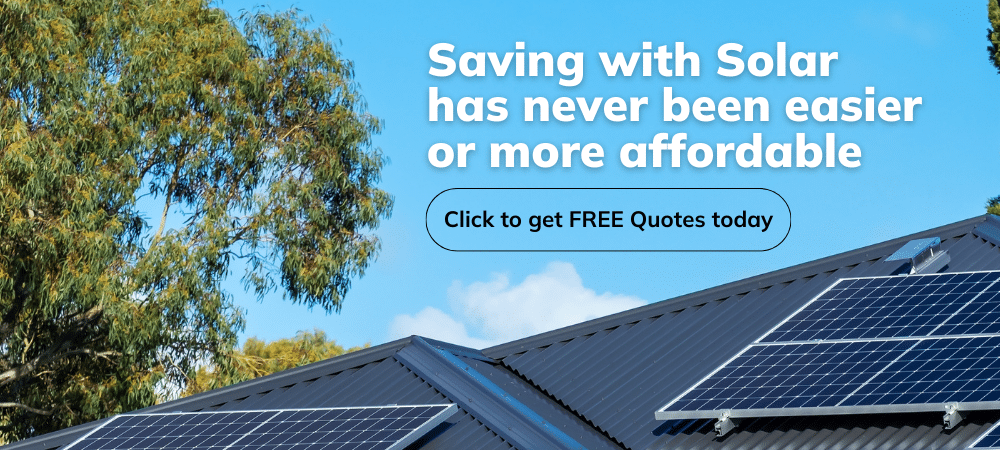
While not strictly required for an all-electric home, rooftop solar is the perfect complement. It lets you generate free electricity during the day to run your appliances, charge your battery, and even top up an electric vehicle.
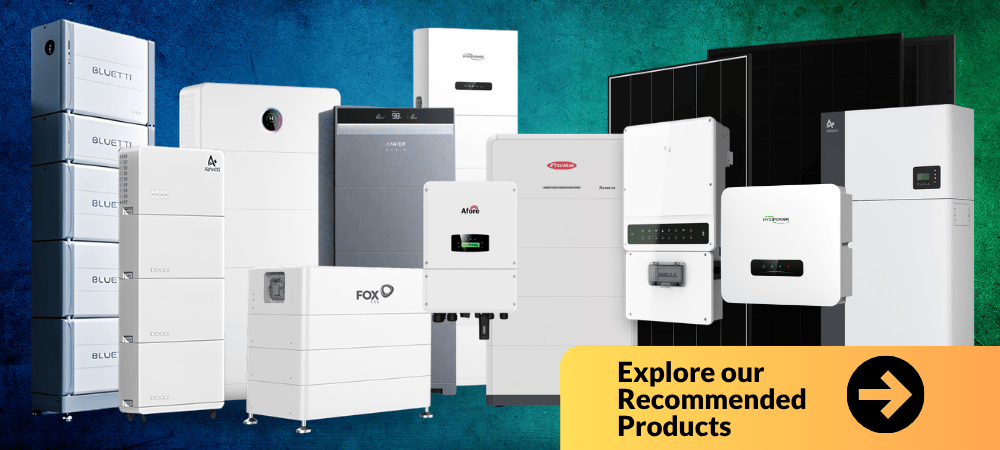
A home battery stores excess solar energy for use at night, which can dramatically reduce your reliance on the grid and further shrink your energy bills. Check our page for our recommended solar products.
Use Energy Matters’ easy-to-use solar power and battery storage calculator to determine the size of your solar system with storage! Our solar calculator will generate performance information and potential savings.
We can send this information to 3 of our pre-vetted, trusted local installers in your area so they can provide obligation-free solar quotes and take the first step toward true energy independence!

How to start your all-electric living journey
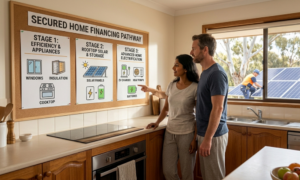
You don’t need to rip out every appliance at once. Many Australians take a staged approach — switching one appliance at a time when it reaches the end of its life. Here’s a simple roadmap:
- Start with solar panels — generate your own electricity and reduce your grid costs from day one
- Replace your gas hot water system with a heat pump water heater — this is where the biggest savings are
- Swap your gas cooktop for an induction model when it’s time to upgrade
- Replace your gas heater with a reverse cycle air conditioner for heating and cooling in one
- Consider a home battery to store your solar energy and maximise self-sufficiency
- If you have an EV or are thinking about one, install a home EV charger to round out your all-electric setup
The best time to make the switch is when your existing appliances need replacing anyway. Choosing an electric option at that point costs only a little more upfront but saves money for years to come.
If you’re building a new home, going all-electric from the start is the easiest and most cost-effective approach. You avoid expensive gas connection fees and pipework, and you’re future-proofed against rising gas prices and incoming regulations.

The bottom line
All-electric living is no longer just for early adopters. It’s becoming the standard for new Australian homes — and a smart upgrade for existing ones. With real savings on energy bills, better indoor air quality, a smaller carbon footprint, and growing government support, the case for going gas-free has never been stronger.
Whether you’re building new, renovating, or just replacing an old appliance, now is a great time to explore what all-electric living can do for your home and your hip pocket.
Make the switch and act with Energy Matters
Thinking about solar for your all-electric home? Energy Matters has been guiding Australian households since 2005, helping more than 40,000 homes transition away from fossil fuels. We help Australians compare solar systems, battery storage solutions, EV charging options, and energy-efficient technologies.
Get free solar quotes today and discover how an all-electric home can reduce your energy bills. Compare trusted installers through Energy Matters and start your journey toward a cleaner, gas-free future.