



Perovskite, touted as the next big thing in solar panel technology, has been making headlines for its impressive lab-tested efficiency and potential to change how we harness the sun. But before you start dreaming about replacing your rooftop system with this cutting-edge tech, it’s worth asking: Is the hype justified, or is it still too early to jump in?
For Aussie homeowners and businesses already navigating the complexities of solar investment, it’s important to separate future promise from present-day practicality.
What makes perovskites so hyped?
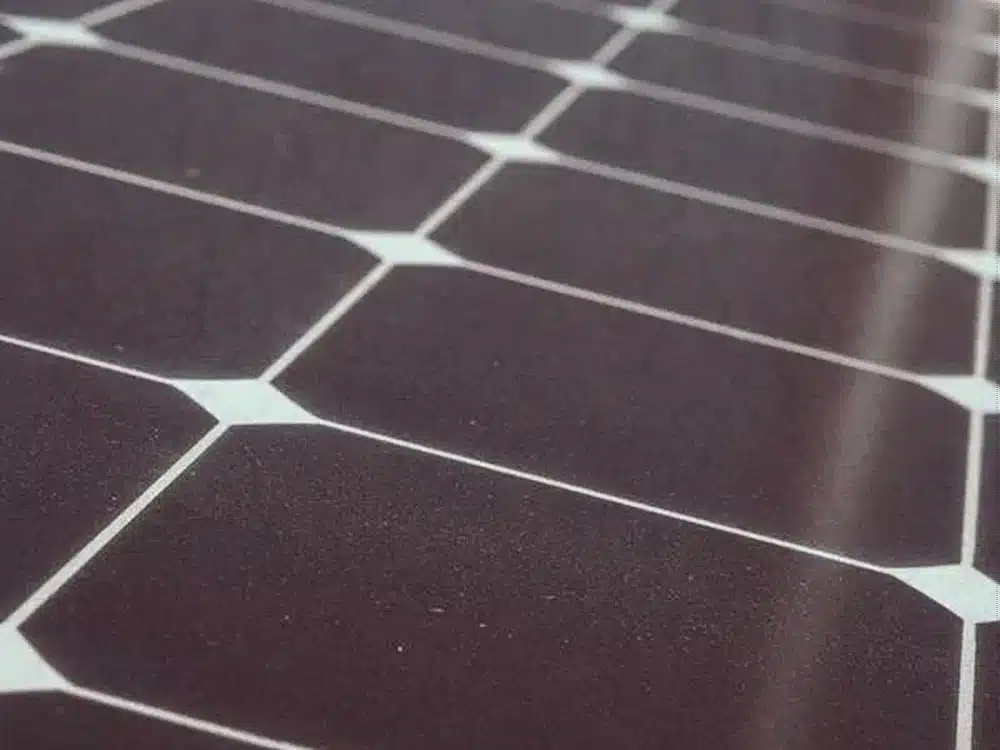
Perovskite solar cells have turned heads because of how efficient they are in laboratory conditions. Some versions have achieved conversion efficiencies above 25%, rivalling or even exceeding the performance of traditional silicon panels. Even more intriguing, perovskites can be layered with silicon in a tandem setup, pushing total efficiency even higher.
But it’s not just about raw performance. Perovskites are also cheaper and easier to manufacture than silicon. They can be printed using simpler processes and materials, potentially slashing production costs. They’re also lightweight and flexible, opening up possibilities for use on curved surfaces, in windows, or even embedded into building materials like roof tiles or walls.
In theory, this means more energy, less cost, and a broader range of applications, which is important especially for solar-hungry countries like Australia. But as you’ll see next, promising lab results don’t always translate to real-world reliability.



Current limitations of perovskite technology
For all the hype, perovskite solar cells are still a long way from being ready for your roof. While they’ve dazzled in the lab, they haven’t yet proven themselves under real-world conditions, especially not in the harsh Australian climate.
Durability remains a major concern
Perovskites are notoriously sensitive to moisture, heat, and UV exposure. That’s a serious red flag in a country where panels must survive intense sun, summer storms, coastal salt spray, and everything in between. In some cases, early prototypes have degraded in just months when exposed to air and humidity.
Toxicity is another issue
Many perovskite formulations contain lead, raising environmental and health concerns, particularly around disposal and potential leakage. While researchers are working on lead-free alternatives, none have reached the same efficiency levels yet.
Scalability is still uncertain
While perovskites can theoretically be printed at low cost, manufacturers haven’t cracked the code for mass production. Most of the success stories come from lab-scale setups, not factories. There’s still a significant gap between what’s technically possible and what’s commercially viable.
Lack of certification and support
Solar panels must meet rigorous standards to qualify for government rebates and grid connection. Currently, perovskite solar panels aren’t approved by the Clean Energy Council (CEC), and there’s no guarantee that installers or retailers would support them if they fail.
Bottom line: it’s exciting tech, but it’s not ready for everyday use… at least not yet.
What it means for local buyers
As one of the sunniest countries in the world with one of the highest rates of rooftop solar adoption, it’s really no surprise that perovskite tech is generating interest here. But while researchers at Australian universities like UNSW and the University of Sydney are leading the global charge in perovskite innovation, practical use is still limited.
Climate puts extra pressure on durability
With temperatures frequently soaring above 40 °c and high UV exposure year-round, rooftops are among the harshest testing grounds for any solar tech. Until perovskite panels can handle that kind of punishment over decades, they won’t be a reliable choice for Aussie homes or businesses.
No government rebates or incentives yet
Australia’s solar rebate system is tied to CEC-approved products, and perovskite panels haven’t met those standards. That means no Small-scale Technology Certificates (STCs), no feed-in tariff benefits, and likely no support from reputable installers.
Some niche use cases are being explored
While perovskites aren’t ready for widespread home installation, there’s potential in niche or experimental applications, like solar windows, off-grid setups, or research trials. Some startups are exploring these areas, but commercial deployment is still on the horizon.
What should you do as a solar buyer?
If you’re shopping for solar right now, perovskite panels might sound tempting, but the smarter move is to stay grounded in what’s proven.
· Stick with CEC-approved systems: For now, the best way to maximise your investment is with panels and inverters that the CEC approves. These meet performance and safety standards and qualify for federal and state rebates.
· Consider hybrid options later: Once perovskite technology matures, hybrid “tandem” panels may enter the market as a high-efficiency option. But we’re likely still a few years away from these becoming affordable, durable, and widely available.
· Keep an eye on the research: Australia is a hub for solar innovation, and local institutions are pushing the boundaries of what perovskites can do. Stay informed, but don’t rush into experimental tech without warranties, performance guarantees, or installer support.
· Talk to a trusted installer: A reputable solar installer will always put performance, safety, and long-term reliability first. If someone’s trying to sell you untested tech, especially without CEC approval, treat it as a red flag.
Perovskite solar cells are one of the most exciting developments in renewable energy, and the buzz is well-earned. However, for everyday Aussies looking to invest in solar, the reality is this: perovskites aren’t ready yet. While researchers are making rapid progress, issues like durability, toxicity, and certification need to be resolved before they become a mainstream option. For now, your best bet is to stick with reliable, approved systems and keep an eye on the horizon.