


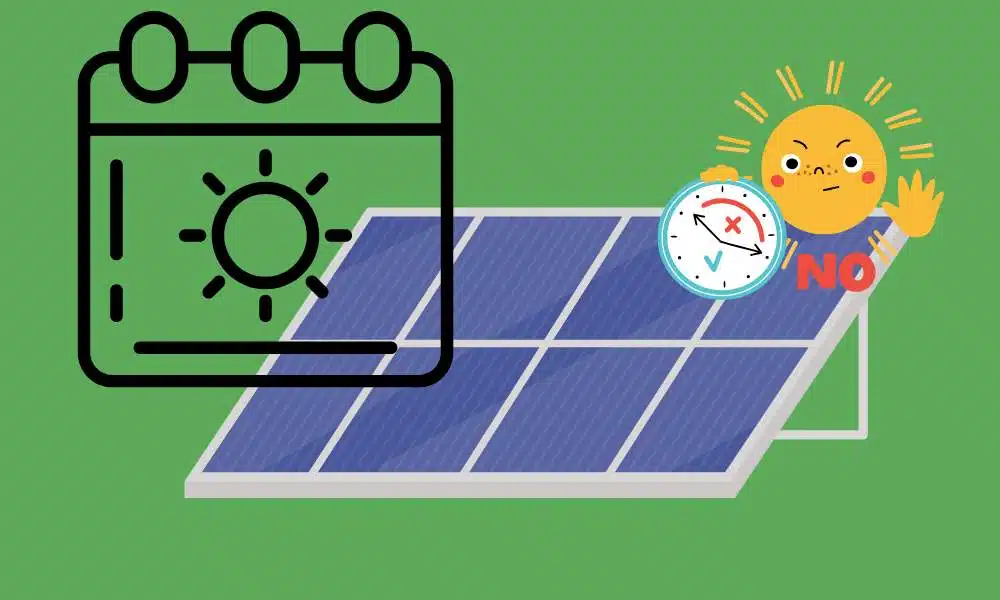
If you have invested in solar panels, you’re already on the right track to cutting energy costs. But did you know that when you use electricity can matter just as much as how much solar you produce? That’s because power companies charge different rates depending on the time of day, and if you’re not paying attention to those “peak hours,” you might be missing out on serious savings.
This guide breaks down what peak, off-peak, and shoulder periods really mean for Aussie households when they happen in each state, and how you can tweak your habits to get the most out of your solar setup.
What are peak, off-peak, and shoulder hours?
Most energy retailers use time-of-use (TOU) pricing, which means the cost of electricity changes depending on the time of day. Understanding these pricing periods is key to maximising your solar savings, especially if you’re still using grid power during non-solar hours.
· Peak hours are when demand on the grid is highest, usually in the late afternoon and evening. Electricity is most expensive during this time.
· Off-peak hours are when demand is lowest, typically overnight. This is the cheapest time to use electricity from the grid.
· Shoulder periods sit in between (early mornings or late evenings) with mid-range prices.
This matters because if your home is exporting solar to the grid during the day (when you’re not home), and you’re using grid power during peak hours (when the sun’s down), you might be buying electricity at a higher price than what you’re selling it for. It’s not ideal, but it’s fixable.



When are peak hours in each state?
Peak hours vary depending on your electricity retailer and where you live. Most peak periods fall in the late afternoon and evening, when people get home from work and start using more power. Here’s a general guide to peak hours across the country:
| State/Territory | Typical Peak Hours | Notes |
| NSW / ACT | 2:00 PM – 8:00 PM (weekdays) | Shoulder and off-peak rates may apply outside of these hours. |
| VIC | 3:00 PM – 9:00 PM (weekdays) | Some plans offer a “solar sponge” tariff — cheaper rates during the day. |
| QLD | 4:00 PM – 9:00 PM (weekdays) | Tariffs can vary depending on provider and network (Energex vs Ergon). |
| SA | 3:00 PM – 11:00 PM (weekdays) | Time-of-use plans often include a solar-friendly midday discount. |
| WA | Time-of-use not widely used | Most plans in WA have flat rates via Synergy. |
| TAS | 7:00 AM – 10:00 AM, 4:00 PM – 9:00 PM | Time-of-use is available on some Aurora Energy plans. |
| NT | Generally flat-rate pricing | Most residential customers are on a flat rate via Jacana Energy. |
Note: Always check your specific energy plan. Retailers may offer TOU, flat-rate, or special solar-friendly tariffs depending on your usage and setup.
Knowing your local peak window is the first step. Now, let’s look at what that means for your solar setup.
What peak time means for solar owners
Your panels do their best work when the sun’s shining, usually between 10:00 AM and 3:00 PM. But for most households, the highest energy use happens later in the day, right when solar production drops off and peak pricing kicks in.
So, what does that mean?
· You’re likely exporting during the day when feed-in tariffs (FiTs) are relatively low.
· You’re likely importing power in the evening, paying premium rates just as your solar system winds down.
That’s the mismatch: you’re selling cheap and buying expensive, exactly the opposite of what you want.
If you’re not careful, this can eat into the savings you expected from your solar system. But the good news? With a few tweaks in how and when you use power, you can flip the equation and make your solar setup work much harder for your wallet.
Smart tips to maximise solar savings during peak
Now that you understand the timing and how it impacts your solar savings, let’s dive into some practical ways to make the most of your solar energy during those high-cost peak hours.
Shift appliance use to mid-day
The easiest way to maximise savings is by running appliances during solar generation hours, typically between 10:00 AM and 3:00 PM. Some ideas include:
· Laundry: Do your washing and drying during the day when your panels are producing.
· Dishwasher: Run it midday instead of in the evening.
· Pool pump: If you have one, set it to run during the day to avoid grid power during peak times.
Use timers or smart plugs
Timers and smart plugs are your best friends in managing electricity use. These tools can automatically start and stop appliances at the right times:
· Smart thermostats: Pre-cool or pre-heat your home during the day so you’re not using electricity at peak hours.
· Smart plugs: Set up washing machines, dishwashers, or other energy-hungry devices to work when solar generation is at its peak.
Pre-cool or preheat your home
One of the biggest energy drains in the evening is heating or cooling your home. Instead of blasting the air conditioner or heater when it’s peak time, use the solar power from midday to pre-cool or preheat your home. This way, you’re using your solar-generated power, and you won’t have to rely on expensive grid power later.
Invest in battery storage
If your budget allows, adding a battery storage system can make a huge difference. Solar batteries store excess energy produced during the day for use later when the sun goes down. While it’s an upfront investment, it pays off over time by:
· Reducing your reliance on grid power.
· Lowering your energy costs during expensive peak hours.
· Giving you more control over your energy usage.
Compare energy plans
Not all energy providers offer the same peak-hour rates. Some even offer solar-friendly plans that give you better rates for electricity used during the day. If you haven’t reviewed your energy plan in a while, it might be worth comparing what’s available.
Bonus tip: Use technology to track it
The old saying goes, “You can’t manage what you don’t measure.” That’s especially true with solar energy. Tracking your solar production and household energy usage in real time can help you make smarter choices about when to use power.
Apps and monitoring tools
Many inverter brands (like Fronius and Enphase) come with apps that show:
· How much solar you’re generating
· How much you’re exporting vs. using
· What time of day you’re using the most power
Some smart meters and home energy management systems also offer live data so you can see your usage right now, which is helpful when testing whether shifting appliance use actually makes a difference.
What to look for:
· Solar exporting during the day? That means your house isn’t using all the solar it’s producing. Time to shift usage.
· High grid usage in the evening? Consider pre-cooling or using batteries to cover those hours.
· Sudden spikes? You might find a sneaker appliance or system draining energy in peak time.
These tools make it easier to adjust habits, and those habits can lead to long-term savings.
Make your solar work smarter, not harder
Having solar panels is a great step, but how and when you use your electricity can be the difference between average and excellent savings. By understanding peak hours in your state, shifting appliance use to solar-generating times, and using tech to track your habits, you’re not just relying on the sun; you’re actively working with it.
If you’re still getting big bills or not seeing the return you expected from your solar setup, it might be time to review your energy usage, upgrade your plan, or consider battery storage. The bottom line is, you paid for those panels, so make sure they’re doing as much heavy lifting as possible.