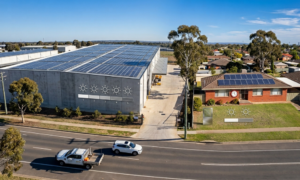





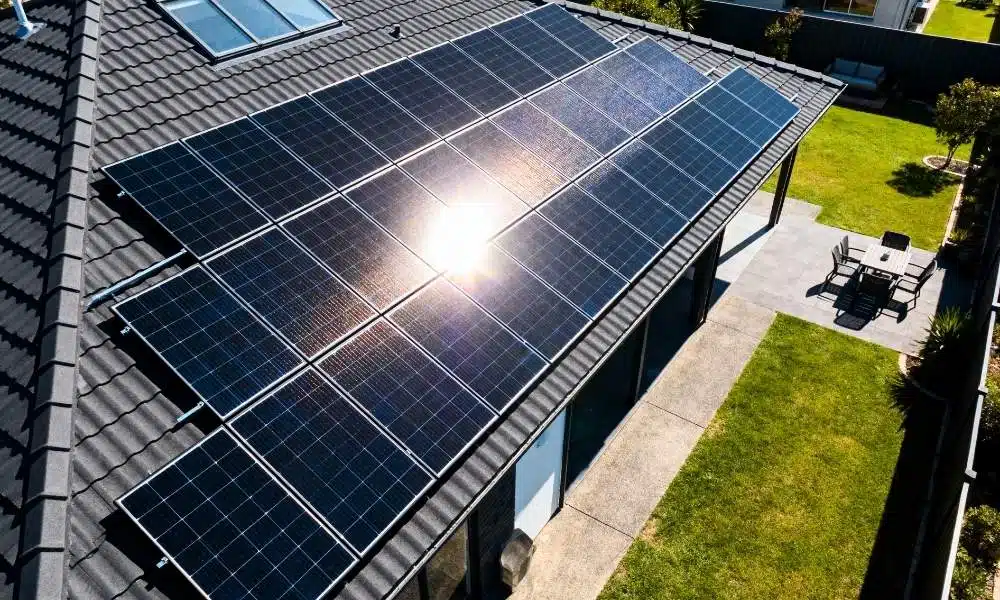
South Australia (SA) has reached a point that most other states have not: rooftop solar is no longer the underdog. In many suburbs, it is the dominant daytime energy source.
That success is now creating a new problem. At certain times of day, especially mild sunny weekdays, there is more solar being exported than the local grid can absorb. Voltage rises. Wholesale prices fall to zero or below. Networks are forced to intervene.
Rather than defaulting to blunt export limits or fees, SA is trialling something more targeted: Market Active Solar. It is not designed to punish solar owners. It is designed to test how home solar behaves when the grid is already saturated.
For homeowners, this matters because it indicates how rooftop solar will operate in high-penetration areas from here on.
Why SA always goes first
SA is not being singled out. It is simply ahead.
Key context:
- SA regularly exceeds 70% instantaneous rooftop solar penetration during daylight hours
- On mild spring days, solar exports can exceed local demand
- Grid-scale batteries already absorb excess power, but they cannot solve every midday surplus event
In short, SA has run out of easy integration options.
When the grid reaches this point, two paths remain:
- Expensive network upgrades
- Active management of exports and demand
Market Active Solar sits firmly in the second category.

What Market Active Solar actually changes
Market Active Solar links flexible export limits with retailer incentives. Instead of exporting freely at all times, participating homes allow exports to be adjusted in response to real grid conditions.
This is not:
- A permanent export cap
- A flat export charge
- A silent restriction imposed without notice
It is:
- Temporary export adjustment
- Coordinated between the network and retailer
- Compensated, not penalised
At a high level:
- The network identifies periods of excess solar
- Export capacity is reduced for short windows
- Customers receive bill credits for participating in
The goal is to manage congestion without triggering backlash or undermining trust in rooftop solar.
Why this matters to your power bill
For years, falling Feed-in Tariffs (FiTs) have been the quiet pressure point for solar households. Market Active Solar reflects a deeper shift:
Exports are becoming time-sensitive, not volume-based.
That means:
- Solar exported at the wrong time is worth less
- Solar used or stored locally is worth more than Flexibility now has a dollar value
This trial makes that shift explicit instead of letting it happen quietly through tariff erosion.





What the numbers in SA already show
The direction of travel has been visible for some time.
Indicative SA trends:
| Metric | Then | Now |
| Typical feed-in tariffs | 10–16 c/kWh | 5–8 c/kWh and trending down |
| Standard export limits | Fixed 5 kW | Flexible or dynamic |
| Negative wholesale pricing | Rare | Regular in spring and shoulder seasons |
| Curtailment events | Uncommon | Increasing in high-solar suburbs |
The key point is not that solar is “earning less.”
It is that the grid no longer values uncontrolled exports at all times.
Market Active Solar is a response to this reality. Instead of allowing export value to collapse entirely, the trial tests whether controlled exports plus incentives can preserve value while protecting the network.
Incentives vs penalties
SA could have introduced export fees or stricter caps. It did not.
Instead, this trial uses financial incentives, typically including:
- Sign-up credits
- Monthly participation credits
- Completion or survey bonuses
These amounts are modest. That is deliberate.
The objective is not income replacement. It is to test whether:
- Households will accept export control if compensated
- Behaviour can shift without resentment
- Incentives work better than blunt restrictions


Why doing nothing is also a decision
For homeowners watching from the sidelines, the biggest risk is assuming that no action is required until rules become mandatory. Homes most exposed over the next few years are those that:
- Export most of their solar at midday
- Have a little daytime load
- Rely heavily on feed-in credits to offset evening usage
These systems are optimised for an older tariff structure.
By contrast, homes that run appliances during solar hours, shift hot water or pool pumps to midday, and add batteries or EV charging over time are already aligned with where policy and pricing are heading.
How different homes are affected
| Household type | Exposure level |
| Solar-only, empty during the day | High |
| Solar with daytime loads | Moderate |
| Solar plus battery | Low |
| EV-owning households | Potential upside |
The closer a household gets to using its own solar when it is generated, the less it depends on export rules staying generous.
The Bottom Line for Homeowners
South Australia is not breaking rooftop solar. It is learning how to live with a lot of it.
The takeaway is clear:
- Solar value is shifting from quantity to timing
- Flexibility will be rewarded
- Passive exports are losing their edge
This is not the end of strong solar savings.
It is the start of a more active role for solar homes in the grid.
And as usual, South Australia is showing the rest of the country what comes next.
Common questions homeowners are asking
Will my inverter start making decisions without me knowing?
Participation is opt-in, with automated export control and clearly defined compensation and conditions.
Does this make batteries mandatory?
No. But batteries increasingly protect households from export volatility rather than simply offering blackout backup.
Will this spread beyond SA?
Almost certainly. SA is simply the first state where export congestion can no longer be ignored.
Is this better than export charges?
For most households, incentives tied to flexibility are far less disruptive that flat fees or permanent caps.