




Most people who miss the Solar Victoria rebate deadline don’t miss it because they ran out of time. They miss it because something small and entirely avoidable went wrong in the final stretch: a name that didn’t match, a document that wasn’t current, an installation that happened one step too early.
The $1,400 rebate and matching interest-free loan don’t go to the people who most wanted them. They go to the people who understood the process well enough to get through it cleanly.
This post is about the specific traps that catch applications in June, when the portal is busy, the installers are booked out, and there’s no time left to fix mistakes.
Are you actually in the window?
Solar Victoria’s Solar Homes Program currently sets the income cap at a combined household taxable income of less than $210,000 per year. From 1 July 2026, that drops to $150,000 per year.
If your household income is below $150,000, the deadline doesn’t affect your eligibility, you’ll remain eligible after July 1. You can still apply after the date, though rebate availability is subject to monthly allocations.
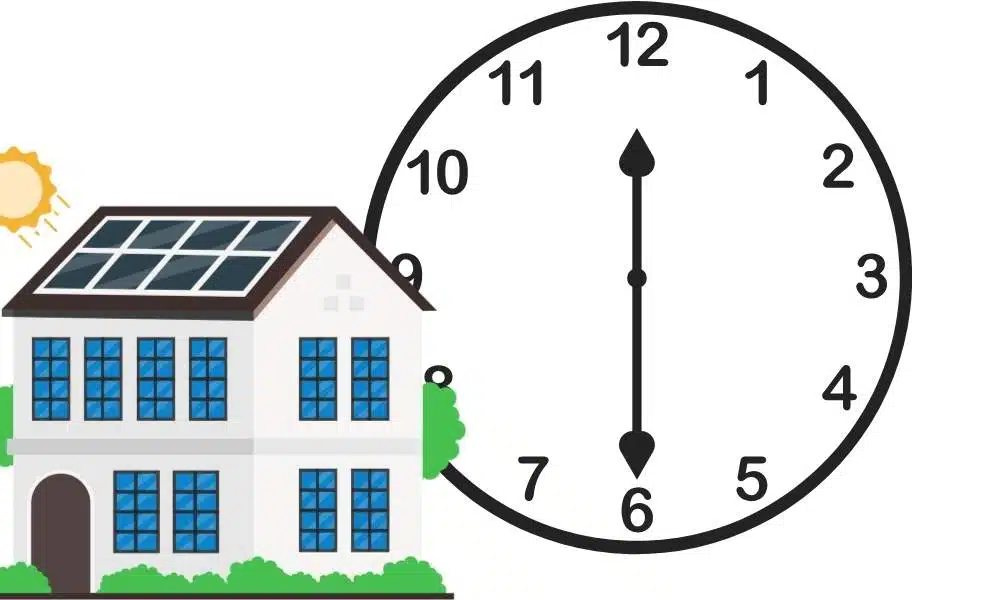
If your combined income sits anywhere between $150,001 and $209,999, you are in the window this post is written for. The deadline is 5pm on Tuesday 30 June 2026. A fully submitted application by that time is assessed under the current rules. A saved, incomplete, or timed-out application is not. It gets assessed under the new cap, which means it almost certainly fails.
One more thing worth being precise about: “income” here means your combined taxable income as it appears on your most recent ATO Notice of Assessment, not your gross salary, not your payslips, and not your bank statements. The portal requires the NOA specifically. If you haven’t located yours yet, do that before anything else.
Trap 1: The name that doesn’t quite match
Solar Victoria’s portal verifies your identity digitally using the details from two identity documents: a Medicare card, driver’s licence, passport, or similar. You enter the document details, and the system checks them against government records.
Here’s where it gets people: the name on your identity documents must match the name on your supporting documents, specifically your council rates notice. And “match” means match.
In the final 2 weeks of June, any application that can’t be verified automatically through the portal requires manual intervention, either from you, your installer, or Solar Victoria’s support team. That is time you don’t have.
Trap 2: Installing before you have the QR code
This is the trap that costs people the entire rebate in a single decision, and it happens because the urgency of the deadline pushes homeowners to rush the sequence.
The Solar Homes Program requires your eligibility to be confirmed and a unique QR code issued before any installation work begins. The QR code is not a formality, but it is the mechanism that links your application to your installation. Without it, the rebate doesn’t exist.
Solar Victoria is explicit: You must not install your system before your eligibility is approved. And it goes further than just the homeowner losing the rebate. If an installer begins work without scanning the customer’s QR code on-site before the job starts, that is a breach of Solar Victoria’s Terms and Conditions and can result in the installer being suspended or removed from the program entirely.
Once your QR code is issued, you have 120 days to complete the installation. If you’re worried about the time, solar retailers who are authorised under the Solar Homes Program know this process well and can initiate your application through the portal on your behalf. Getting your paperwork to an authorised retailer immediately is a faster path than navigating the portal independently for the first time in the final week of June.

Trap 3: Using the wrong income document
This one is short because it needs to be: Solar Victoria requires your ATO Notice of Assessment. The income figure Solar Victoria uses is your combined taxable income after the ATO has applied all deductions, offsets, and adjustments. If you use a gross salary figure from a payslip, you may think you’re over the threshold when you’re not. If you use net income, the same problem in the other direction.
Opportunity: The hot water rebate most people don’t claim
While most of this post is about avoiding mistakes, this section is about money being left on the table.
A Solar Victoria solar PV rebate and a Solar Victoria hot water rebate can be claimed by the same household. Solar Victoria explicitly supports this combination: installing both solar panels and an energy-efficient hot water system can cut household power bills by up to $1,330 per year, according to their own modelling.
The hot water rebate is worth up to $1,000 for an approved heat pump or solar hot water system. If you choose an eligible locally made product, it rises to up to $1,400. The same income eligibility rules apply: combined household income under $210,000 until 30 June, dropping to $150,000 from 1 July
For households in the $150,000-$210,000 bracket, this is the last chance to claim both. After July 1, you lose eligibility for both the solar PV rebate and the hot water rebate in the same stroke.
There’s also a regulatory reason to act now rather than wait. From 1 March 2027, existing Victorian homes will be required to replace gas hot water systems with an efficient electric alternative when those systems reach end-of-life. If you’re currently on gas hot water and your system is more than 8 or 10 years old, you are going to replace it eventually. Doing it now captures the rebate. Doing it in 2027 under a mandatory replacement may not, depending on where the income cap lands.
The practical energy case matters too. A heat pump hot water system uses a fraction of the electricity of a traditional electric resistance system, typically around a quarter of the energy for the same hot water output. If you install solar panels to reduce your electricity costs and leave an old, inefficient hot water system in place, you’re generating solar power and immediately handing a significant chunk of it to the least efficient appliance in the house. Upgrading both together means your solar system is working with the rest of your home, not against it.
What happens if you miss the deadline
If your application is not fully submitted before 5pm on 30 June 2026, Solar Victoria will assess it under the new $150,000 income cap. If your household income is above $150,000, that assessment results in ineligibility.
There is no grace period. There is no appeal pathway based on being close to completion. A saved application that ties out is treated the same as no application at all.
The deadline is not a soft close. It is a regulatory change. The rules that apply to your application are determined by when it is submitted, not when it was started.
If you are in the eligible income bracket and have been considering solar, the time to act is now. The application process, the retailer quote, and the document gathering all take time that the last week of the month will not comfortably accommodate.