




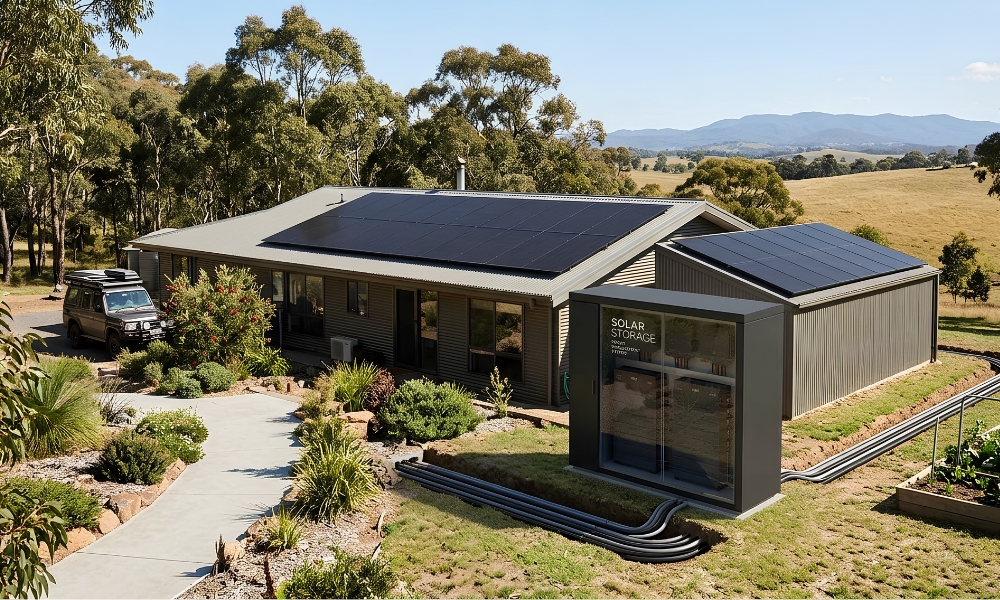
Living off the electricity grid can offer greater energy independence, particularly for rural homes, farms, cabins and properties where a grid connection is expensive or unavailable. But before making the switch, one question usually comes first: What should Australian homeowners expect to pay for an off-grid solar system in 2026?
As battery adoption accelerates, generating and storing your own electricity is increasingly practical. The Clean Energy Council reports that more than 268,000 home batteries were installed across Australia in 2025, underscoring growing demand for energy storage. This guide breaks down typical off-grid solar costs, the factors that drive prices, and how to budget for a reliable standalone solar system.
Key takeaways
- A two-way smart meter is essential for any Australian home with solar panels to receive accurate feed-in tariff credits
- Australia’s accelerated rollout aims for universal smart meter coverage by 2030, with many installations provided free
- Net metering in Australia works via a feed-in tariff, not a direct one-for-one credit like some overseas systems
- Smart meter installation for solar is typically fast, but pairing it with your panel install avoids lost export credits
- Pairing a smart meter with solar unlocks better tariffs, real-time data, and a foundation for adding a solar battery storage system later



What does an off-grid solar system cost actually include?
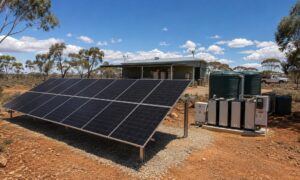
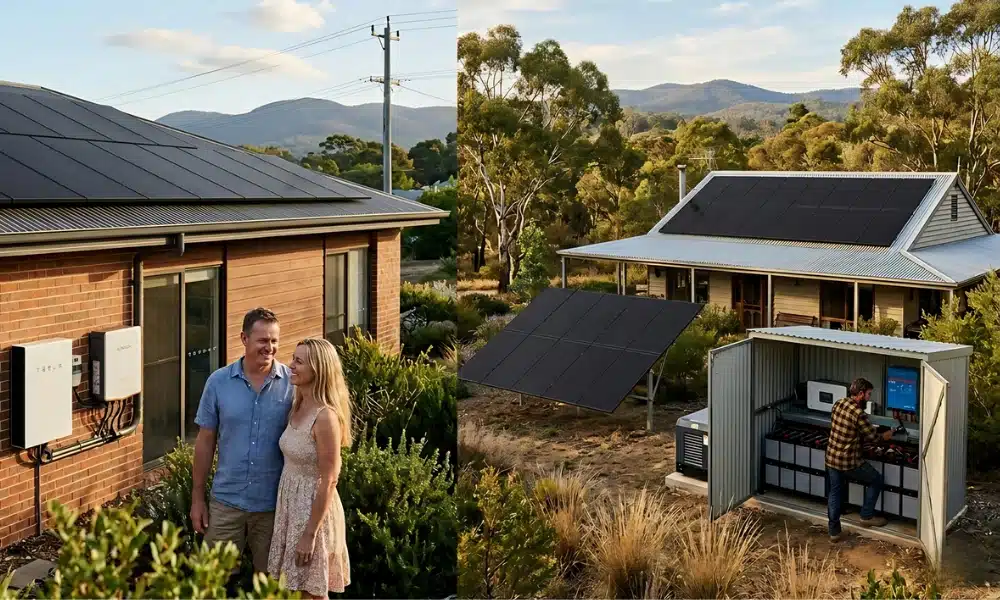
An off-grid power system price covers more than panels. With no grid to fall back on, you have to size every component generously.
Here’s what your solar quote typically pays for:
- Solar panels: a larger array than grid-connected homes need, for winter dips.
- Battery bank: the biggest cost driver, sized for “autonomy days” with no sun.
- Inverter and charge controller: regulate power to appliances.
- Backup generator: petrol, diesel or LPG, for rare low-solar weeks.
- Site works and specialist installation: often more involved on rural blocks.
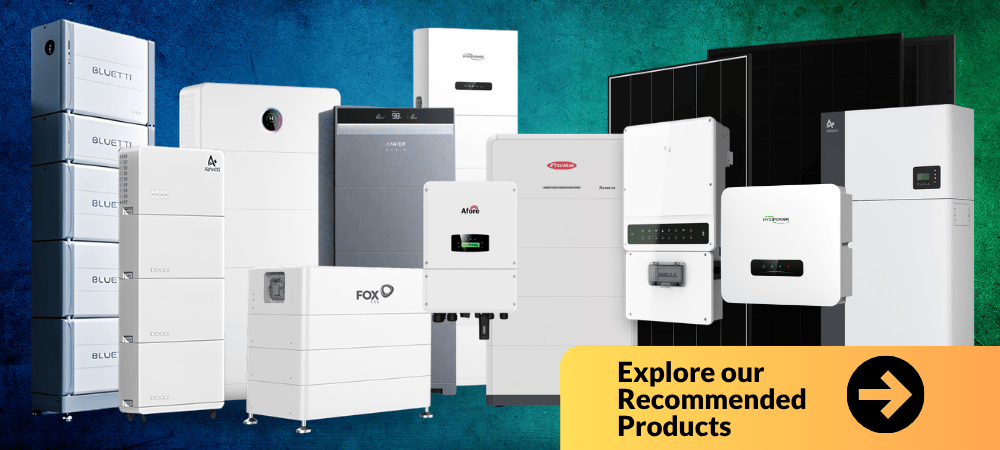
Check our page for our recommended solar products.
Expert tip
Get at least three itemised quotes before comparing off-grid solar cost estimates. A cheap headline price that skimps on battery capacity or generator backup often costs more over time.
If you are considering energy independence, explore Energy Matters’ off-grid solar solutions and compare your options before committing.
Off-grid solar system cost Australia by property type
The clearest way to understand standalone solar system cost is by property type and daily energy use, since these drive both array size and battery capacity.
| Property type | Solar array | Battery bank | Installed cost |
| Small cabin or weekender | 3–5 kW | 10–15 kWh | $15,000–$30,000 |
| Average 3–4 bed home | 8–12 kW | 30–40 kWh | $40,000–$70,000 |
| Large home or high usage | 15–20 kW | 50–80 kWh | $70,000–$120,000+ |
Standalone solar system cost vs. a grid-connected battery system
A grid-connected solar and battery system for the same home typically costs $12,000 to $20,000 installed, since the grid still acts as backup.
Going fully off-grid usually costs two to five times more, with no feed-in tariff income and no network to lean on during a run of cloudy days.
What drives off-grid power system prices up or down?
Two similar-sized homes can land on very different quotes. The main variables behind off-grid solar system cost Australia-wide are:
- Daily energy use and peak demand: Pumps, air conditioning and cooktops push up capacity.
- Autonomy days: How many cloudy days the battery must cover without generator support.
- Battery chemistry: Lithium (LiFePO4) costs more upfront but lasts longer than lead-acid.
- Site access: Freight, crane hire and trenching add up on hard-to-reach blocks.
- Installer accreditation: SAA-accredited off-grid design costs more but protects your investment.

Solar battery off-grid cost: the biggest line item
Solar battery storage typically makes up 40 to 50 per cent of total off-grid solar system cost, more than panels and installation combined.
Most new systems use lithium iron phosphate (LiFePO4) batteries, which handle deep daily cycling better than older lead-acid banks, despite higher off-grid battery costs.
An off-grid battery must sit on the Clean Energy Council’s approved product list, meet the AS/NZS 5139:2019 standard, and be installed by an SAA-accredited installer with a battery endorsement.
Expert tip
Run a proper load calculation before quoting. Off-grid systems must be designed by a Solar Accreditation Australia (SAA) accredited installer, and an accurate assessment is the biggest lever on final price.
Use Energy Matters’ easy-to-use solar power and battery storage calculator to determine the right size for your solar system with storage. Our solar calculator will generate performance information and potential savings.
We can send this information to 3 pre-vetted, trusted local installers in your area so they can provide obligation-free solar quotes and help you take the first step toward true energy independence!

Are there rebates for off-grid solar and battery systems?
Yes. Small-scale Technology Certificates (STCs) remain available for eligible off-grid installations, the same national scheme used for grid-connected homes.
The Clean Energy Regulator allows one eligible battery per off-grid dwelling, provided the components are CEC-approved and installed correctly, which can soften the upfront cost of a standalone solar system.
Is going off-grid worth the cost?
For a home already on the grid, usually not. A grid-connected battery delivers similar bill savings and blackout protection for a fraction of the price.
Off-grid solar earns its cost when a property sits far enough from existing lines that connection would cost tens of thousands of dollars per kilometre, common across regional Australia.

Frequently asked questions
How much does a small off-grid solar system cost in Australia?
A small cabin system with a 3–5 kW array and 10–15 kWh of battery storage typically costs $15,000 to $30,000 installed, depending on site access and battery type.
What size battery do I need to go off-grid?
Most homes need enough capacity to cover one to three cloudy “autonomy days.” Average homes need around 30–40 kWh, while larger or high-usage properties may need 50–80 kWh.
Can I get rebates for an off-grid solar system?
Yes. Off-grid systems can qualify for Small-scale Technology Certificates if components are CEC-approved and installed by an SAA-accredited off-grid installer, reducing net cost.
How much does a 10kW off-grid solar system cost?
A 10kW off-grid array with a 30–40 kWh battery bank generally costs $45,000 to $70,000 installed, depending on inverter quality and site conditions.
Is off-grid solar cheaper than connecting to the grid?
Only when a new grid connection is genuinely expensive, such as remote blocks costing tens of thousands per kilometre to reach. For suburban homes, staying connected with a battery is usually cheaper.
Plan your off-grid investment with confidence: Get a clear, no-surprises quote for off-grid solar from Energy Matters
The right off-grid solar system cost for your budget depends on far more than the number of panels on your roof. Solar generation, battery storage, inverter capacity, household demand, location and backup requirements all influence the investment.
If you are considering energy independence, Energy Matters can help you understand your options and compare suitable solutions. Get started with our solar expert today by requesting your solar options and connecting with trusted installers who can assess your property and provide a tailored quotation.
Sources and References
- Clean Energy Regulator: Solar batteries eligibility (small-scale renewable energy scheme), Small-scale renewable energy systems, off-grid requirements
- Clean Energy Council: Approved products and installer accreditation