






When it comes to politics, smoke and mirrors abound. This is especially the case when it comes to environmental policies and big business. As Australians head to the polls this Saturday, major political parties have set out their respective emission reduction strategies and targets. As part of the Morrison Government’s Long-Term Emissions Reduction Plan, $464 million in funding for eight “clean hydrogen hubs” has been allocated. On the surface, clean hydrogen sounds pretty good – but the devil, as they say, is usually in the detail.
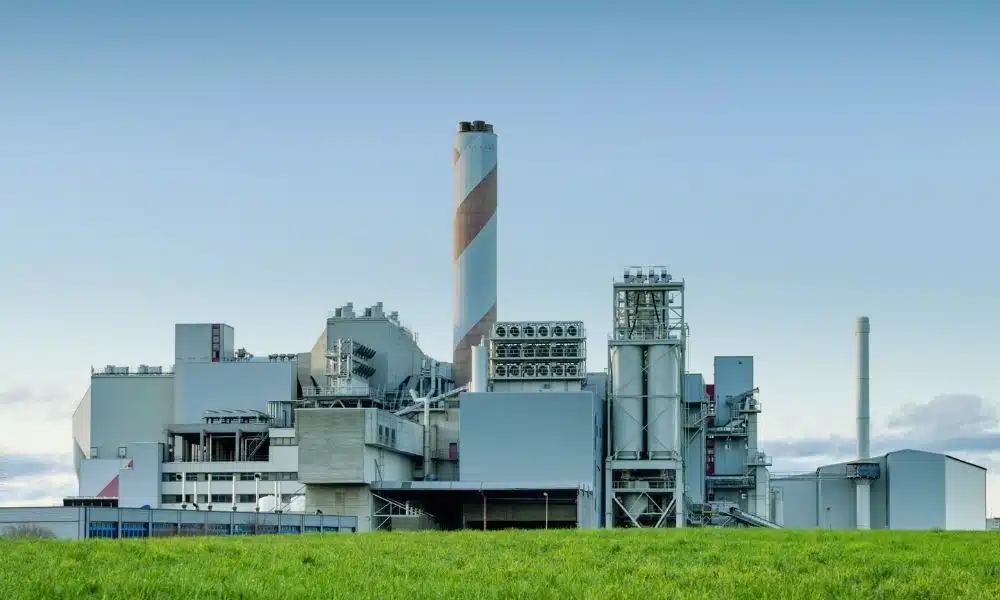
In the article, we’ll take a closer look at what clean hydrogen is, how it differs from “green” hydrogen and whether it’s really as clean as the name suggests.
What is the difference between ‘green’ and ‘clean’ hydrogen?
Hydrogen is produced via electrolysis, which splits water into hydrogen and oxygen using electricity. The hydrogen can then be used in fuel cells to generate power, or stored for later use.
Green hydrogen is hydrogen produced from renewable sources, such as solar or wind power. The process of creating green hydrogen means the only by-products are water vapour and oxygen – completely clean energy production with no carbon emissions.
Distinct from green hydrogen, clean hydrogen is generated from both renewables and fossil fuels through the use of carbon capture and storage (CCS) technology.
A survey conducted by independent think tank The Australia Institute, found just over a fifth (22 per cent) of Australians know the government-backed definition of “clean hydrogen”. In fact, 42 per cent of the 1007 respondents assumed that clean hydrogen is the same as green hydrogen in that it’s generated solely by renewable energy.

What is carbon capture and storage (CCS)?
Carbon capture and storage (CCS) involves capturing, transporting and storing greenhouse gas emissions from fossil fuel power stations, energy intensive industries and gas fields by injecting the captured greenhouse gases back into the ground.
The process claims to capture up to 90% of CO2 before it is released into the atmosphere.
What is the problem with clean hydrogen?
On the face of it, both green and clean hydrogen appear to achieve the goal of emissions reductions. So what’s the problem with clean hydrogen?
The issue is two-fold; prolonging the use of fossil fuels and the reliance on CCS technology.
Despite decades of CCS research and billions of dollars invested around the world, the technology itself is still in its infancy and has not been proven at a large-scale.
The Climate Council claims that when CCS is attached to coal and gas power stations it is likely to be at least six times more expensive than electricity generated from wind power backed by battery storage. In addition, CCS trial sites like Chevron’s Gorgon gas plant continue to produce significant quantities of pollution.
Rather than investing money in new renewable energy projects, the government’s hydrogen strategy focuses on using existing (AND investing in new) fossil fuel infrastructure and CCS technology to produce “clean” hydrogen. This not only locks in the use of fossil fuels for decades to come, but also props up an industry that is already struggling.
The Australia Institute’s Climate and Energy Program Director Richie Merzian said clean hydrogen was a marketing term rather than a climate solution.
“It is designed to sell dirty high-polluting hydrogen made using gas and coal as ‘clean’,” Mr Merzian said in a statement on Thursday.
“The Australia Institute polling shows that the term is succeeding in sowing confusion.”
The Climate Council agrees, saying the technology is unproven, expensive and “an attempt to prolong the life of polluting fossil fuels in our energy system”.
“It is far better and cheaper to avoid carbon emissions in the first place, rather than try to capture them after they’ve been released”, said Greg Bourne, Climate Councillor and energy expert.
“Rather than wasting money on something that’s expensive and ineffective, Australia should be investing in the things we know can cut emissions quickly and bring down power prices – like renewables backed by storage.”

So there you have it. The difference between ‘green’ and ‘clean’ hydrogen. As Australians, it’s important to be informed about the climate policies being proposed by our government and understand the implications they may have on our environment.
When you place your vote on Saturday, make sure to do your research and vote for the party that has your best interests – and the planet’s – at heart.