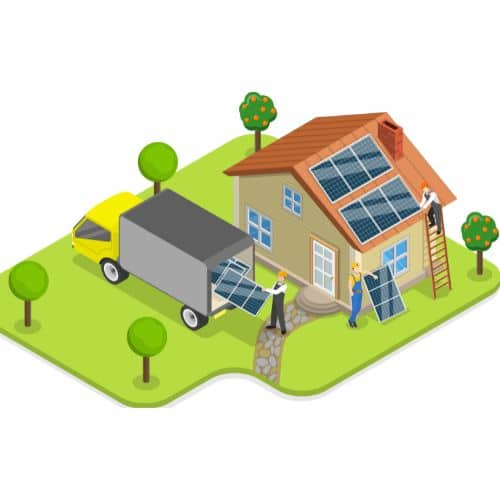
Would you like to power your home using the sun’s free power? It may be easier and cheaper than you think to install residential solar panels! Energy Matters works with a nationwide network of solar installers that are ready to help you begin your solar journey! So if you are interested in residential solar power systems for homes, then read on and get your FREE solar quotes.
Selecting renewable energy sources for your home, such assolar panelsandsolar hot water, will not only see you save on your utility bills but help protect the environment. Energy efficiency in the house makes financial sense because the more energy efficient your appliances are, the more money you will save on your energy bills.
We have a range of informative pages to help you go solar.
What is a grid connect residential solar power system and how does it work? How many solar panels does it take to power the average home or business? Is residential solar costly? Read our brief guideto grid connect PV systems.
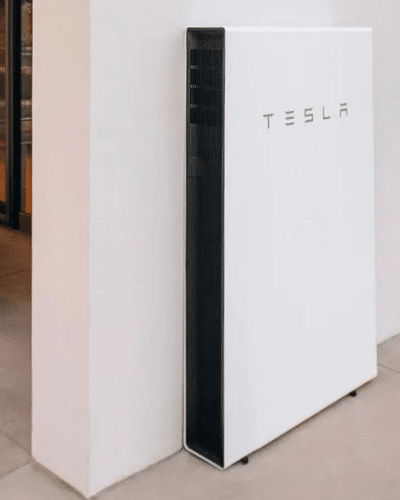
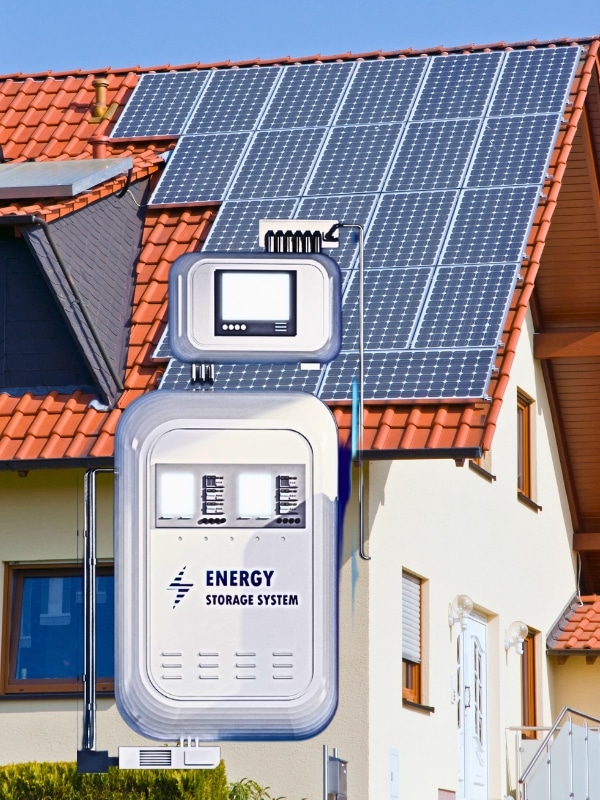
If you’re looking to power your home when the sun sets, or on cloudy days when your solar system might not produce enough energy, then a solar battery might be the solution for you! Find out how you can store energy generated by your solar PV system to use later.
Whether you’re looking to replace your hot water system, replace your lighting, or install a solar PV system, we can connect you with trusted local installers who will provide you with up to 3 FREE quotes! Click this link and follow the prompts to receive your free solar quotes.
We know that our customers want the best quality and fantastic warranties when it comes to the components that form their solar PV system. Energy Matters has partnered with nationally and internationally renowned solar manufacturers to provide you with information that will help you select a solar PV system that will perform at its best for years to come.
Investing in residential solar power is a smart way to reduce electricity costs, but pairing your home solar system with battery storage takes those savings to the next level. Learn more about taking advantage ofsolar battery system rebates to make your transition to sustainable energy even more affordable.
Commonly askedquestions and answersrelating to residential grid connect systems, carbon dioxide emissions savings, how residential solar power works and a brief history of industry milestones.
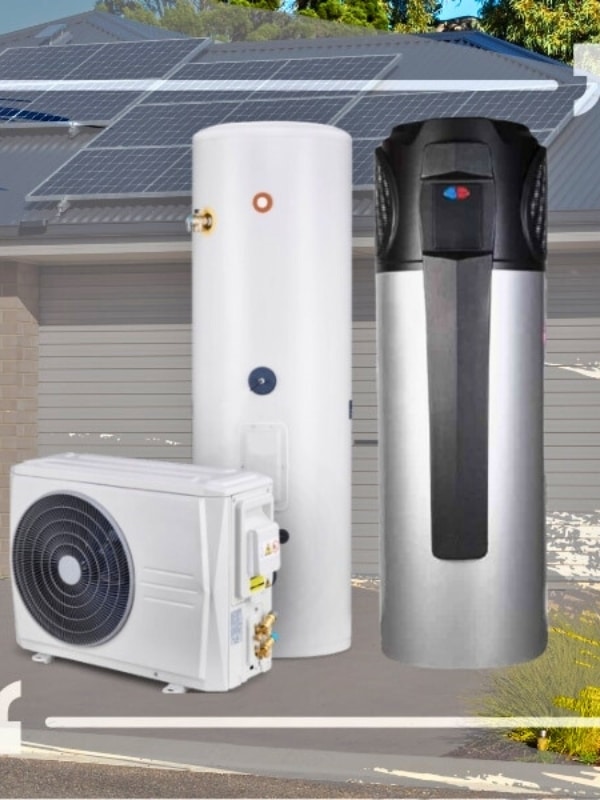
Solar heat pumps are an excellent addition to residential solar systems, using renewable energy to heat water efficiently while lowering reliance on the grid. Find out howsolar heat pumps can enhance your home’s energy efficiency and provide a cost-effective, eco-friendly alternative to traditional water heating solutions.
Solar bulk buy programs involving solar installation businesses have been launched by councils and community solar organisations. These programs provide local residents with access to council-backed solar installers and, usually, lower installation costs.
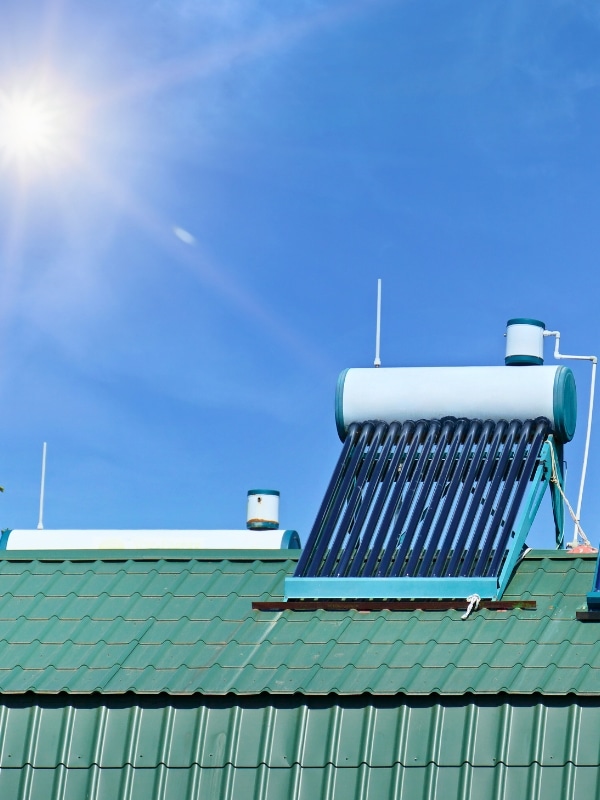
Heating water is one of Australian households’ most significant energy expenses, but residential solar power offers a sustainable solution. Government incentives make switching more manageable than ever, so explore the availablesolar hot water rebates and start saving today.
Energy Matters is an Australian owned and operated company that has been operating in the renewable energy industry since 2005. Learn more about our organisationand our team.
How does solar energy work? How do solar panels work?
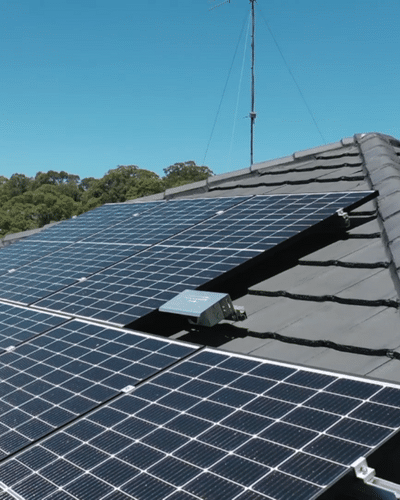
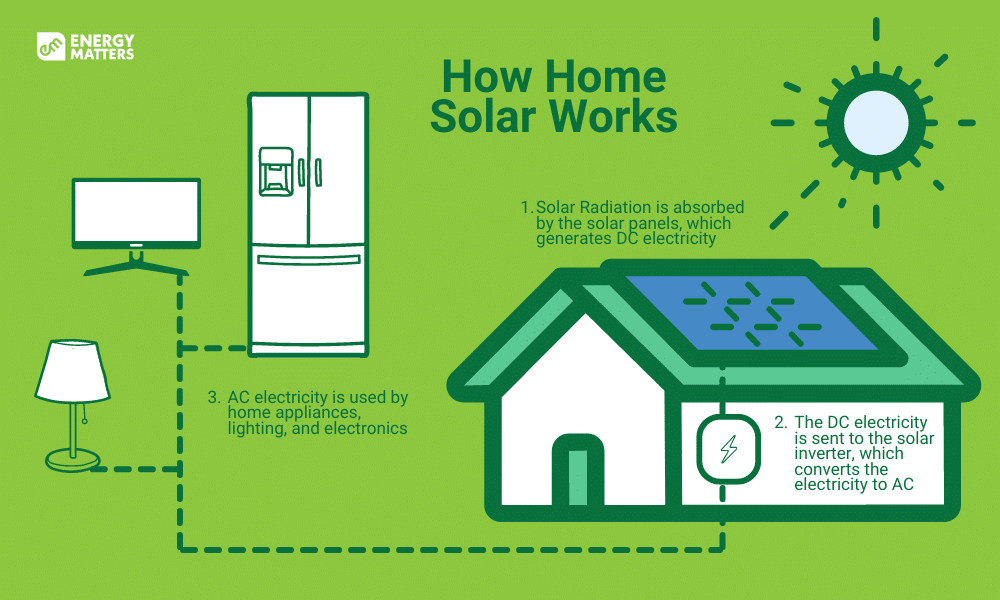
Australia has some of the best solar energy resources in the world, with an average of 5.5 hours of sunshine per day. Solar energy works by converting sunlight into electricity using solar panels. Solar panels are made up of photovoltaic cells, which are semiconductor devices that absorb sunlight and generate an electric current.
When sunlight hits a solar panel, the photons in the sunlight knock electrons loose from the semiconductor atoms. This creates a flow of electrons, which is an electric current. The electric current produced by the solar panels is direct current (DC), which differs from the alternating current (AC) electricity used in homes and businesses.
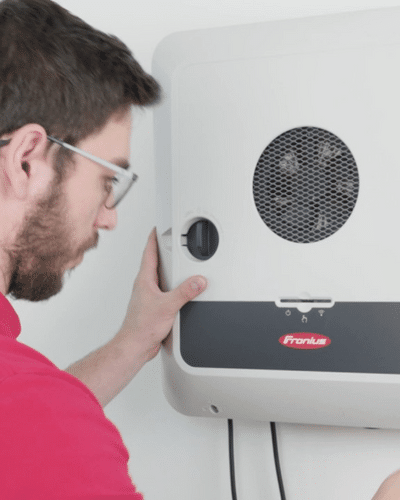
A solar inverter converts the DC electricity from the solar panels into AC electricity. The AC electricity can then be used to power your home and appliances.
Several government incentives are available in Australia to help homeowners and businesses install solar panels. These incentives include the Small-scale Renewable Energy Scheme (SRES), which provides a financial incentive for households and businesses to generate their own renewable energy.
Solar energy is a clean and renewable energy source that can help reduce Australia’s reliance on fossil fuels. It is also a cost-effective way to generate electricity, and the cost of solar panels has fallen significantly in recent years.
Additional information:
Solar energy can generate electricity for homes, businesses, and communities.
Solar energy can also be used to heat water and other fluids.
Australia has several large-scale solar farms that generate electricity for the national grid.
Solar energy is key to Australia’s transition to a clean energy future.
Home solar battery
Benefits of home solar battery storage
Reduce energy bills
Solar batteries can help you reduce energy bills by storing excess solar energy at night or during peak demand periods.
Provide backup power
Solar batteries can provide backup power during power outages.
Improve grid resilience
Solar batteries can help improve the electricity grid’s resilience by providing backup power during outages.
Increase self-sufficiency
Solar batteries can help you become more self-sufficient by allowing you to generate and store your own electricit
Several different solar battery brands and models are available in Australia, so it is important to research to choose the right one for your needs. Some factors to consider include your solar panel system’s size, energy consumption habits, and budget.
The cost of solar batteries has come down significantly in recent years, making them more affordable for homeowners. However, they still represent a significant upfront investment. Several government incentives are available to help homeowners offset the cost of solar batteries, such as the solar panel rebate and the solar battery incentive.
Overall, solar batteries can be a good investment for homeowners who want to reduce their reliance on the grid and save money on electricity bills. However, weighing the upfront cost against the long-term savings potential is important.
If you are considering installing solar batteries in Australia, it is important to talk to a qualified solar installer to get expert advice on the best system for your needs.
Why choose Energy Matters?
We’ve been in the solar industry since 2005 and have helped over 40,000 Australian households in their journey to energy independence.
We’ve pre-qualified and vetted our installers for their track record of delivering Australia’s best business and home solar systems.
We’ll match you with installers who are local to you, so you can get a quote that’s tailored to your needs.
Benefits of going solar with Energy Matters:
Get up to 3 FREE quotes
We’ll connect you with 3 different solar installers so you can compare prices and services.
Work with trusted installers
We only work with solar installers who have been pre-qualified and vetted for their track record of delivering quality residential solar systems.
Get peace of mind
We’ll support you every step of the way, from the initial consultation to the final installation. Our team will assist you with the information you need to go solar!
So what are you waiting for? Energy Matters can help! We have a trusted network of local, pre-qualified and vetted installers ready to provide competitive quotes and answer your questions. Get up to 3 FREE, no-obligation quotes by completing our quick quiz.