Discover the top EV chargers in Australia for 2026. Compare features, prices and warranties. Power your EV smarter with Energy Matters today.
Updated on 19 February 2026
Electric Vehicles (EVs) are increasingly cruising onto roads, and with them comes the need for a robust network of charging stations. In this post, we’ll explore the current state of public charging infrastructure and help you choose the perfect home EV charger for your needs.
Understanding your charging needs
Before diving into specific charger models, it’s essential to understand your key considerations when choosing an EV charger:
Compatibility: Ensure the charger is compatible with your EV’s charging capacity and connector type.
Charging speed: Consider the charger’s output power to determine how quickly it can charge your vehicle.
Installation: Some chargers may require professional installation, especially if they need a dedicated circuit.
Smart features: App integration, scheduling, and energy monitoring can enhance the charging experience.
Cost: Compare the charger’s price, installation, and ongoing subscription fees.
Future-proofing: Consider chargers that can be upgraded or expanded to accommodate faster charging speeds or additional EVs.
Warranty and support: A robust warranty and reliable customer support can provide peace of mind.
Type of EV chargers
EV chargers are broadly classified into the following categories:
Level 1 chargers: These are basic chargers that plug into a standard household power outlet (10A or 15A). They are the slowest charging option but are convenient for occasional top-ups.
Level 2 chargers: These chargers require a dedicated circuit and offer significantly faster charging speeds than Level 1 chargers. They are typically installed at homes or workplaces.
Level 3/DC fast chargers: These are the fastest charging options, capable of delivering high power output to rapidly charge EV batteries. They are typically found at public charging stations.
The state of EV charging in Australia
EV charging in Australia in 2026 is shaped by rising EV sales, expanding public charging networks, and greater integration of renewables. According to the Electric Vehicle Council, EV adoption has grown significantly year-on-year, supported by state incentives and infrastructure investment.
Public charging continues to expand through networks such as Chargefox and Evie Networks. However, over 80% of EV charging still occurs at home, making home EV charger installations in Australia a top priority.
As the grid becomes greener, charging your EV is becoming the ultimate way to reduce your personal carbon footprint. Use Energy Matters’ carbon footprint calculator to calculate your household and business’s direct emissions.
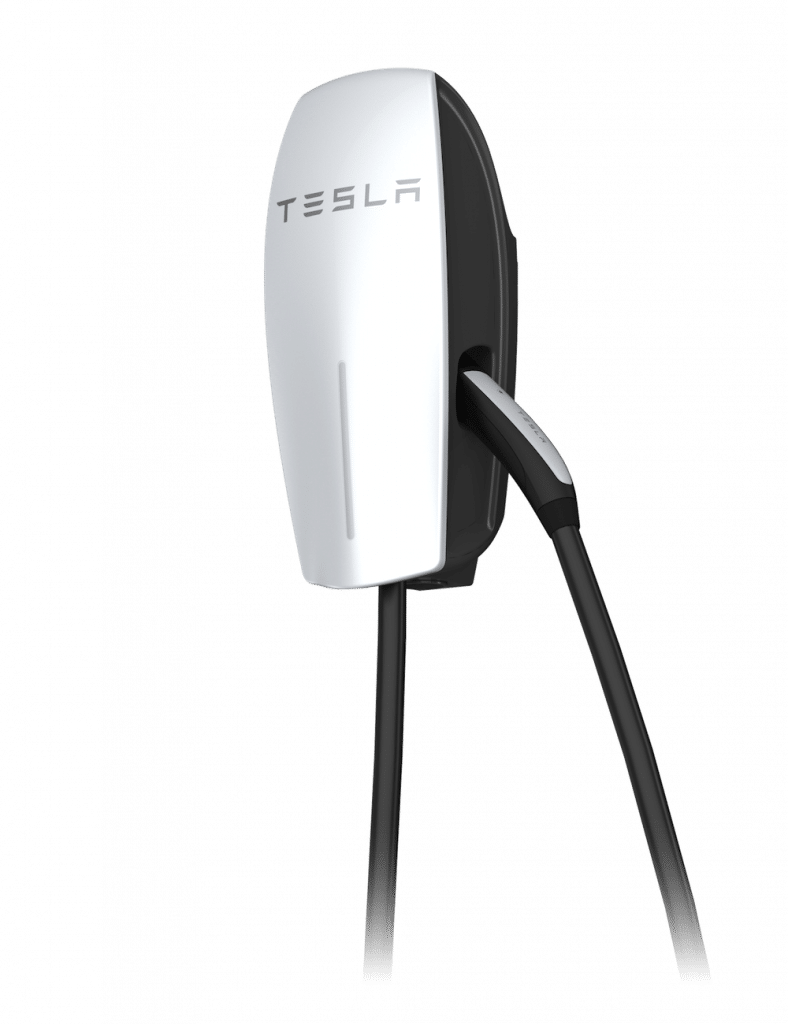
The Tesla Wall Connector Gen 3 remains one of the most popular options in the Top EV chargers in Australia 2026. It offers up to 22kW charging and seamless compatibility with Tesla vehicles.
It features Wi-Fi connectivity for firmware updates and load sharing. Its competitive price makes it one of the best EV charger options in Australia for value-focused homeowners.
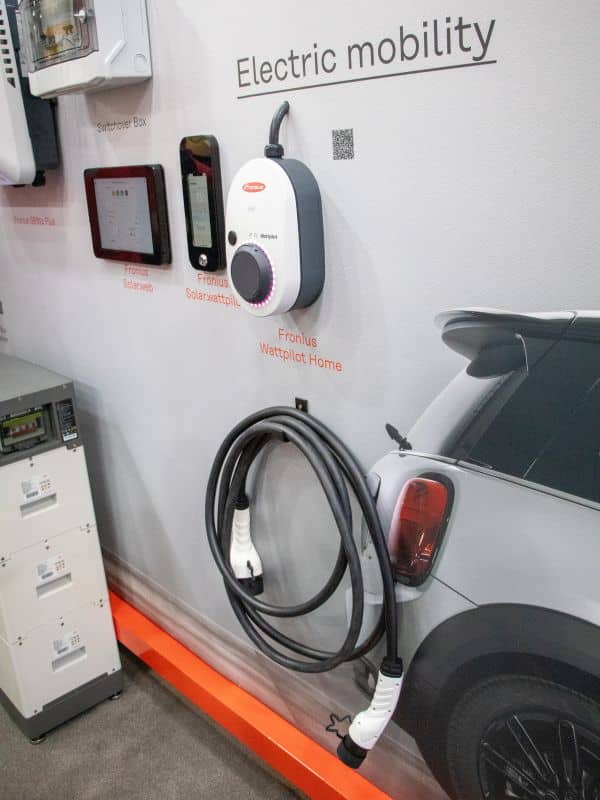
Fronius Wattpilot Home
Fronius Wattpilot Home EV charger
Approx. Price (AUD): $1,400–$1,700
Warranty: 2 years
The Fronius Wattpilot Home is ideal for solar households seeking dynamic load management. It integrates smoothly with Fronius solar inverters.
This smart EV charger, an Australian model, automatically optimises charging based on solar surplus. It’s perfect for reducing reliance on the grid and lowering operating costs.
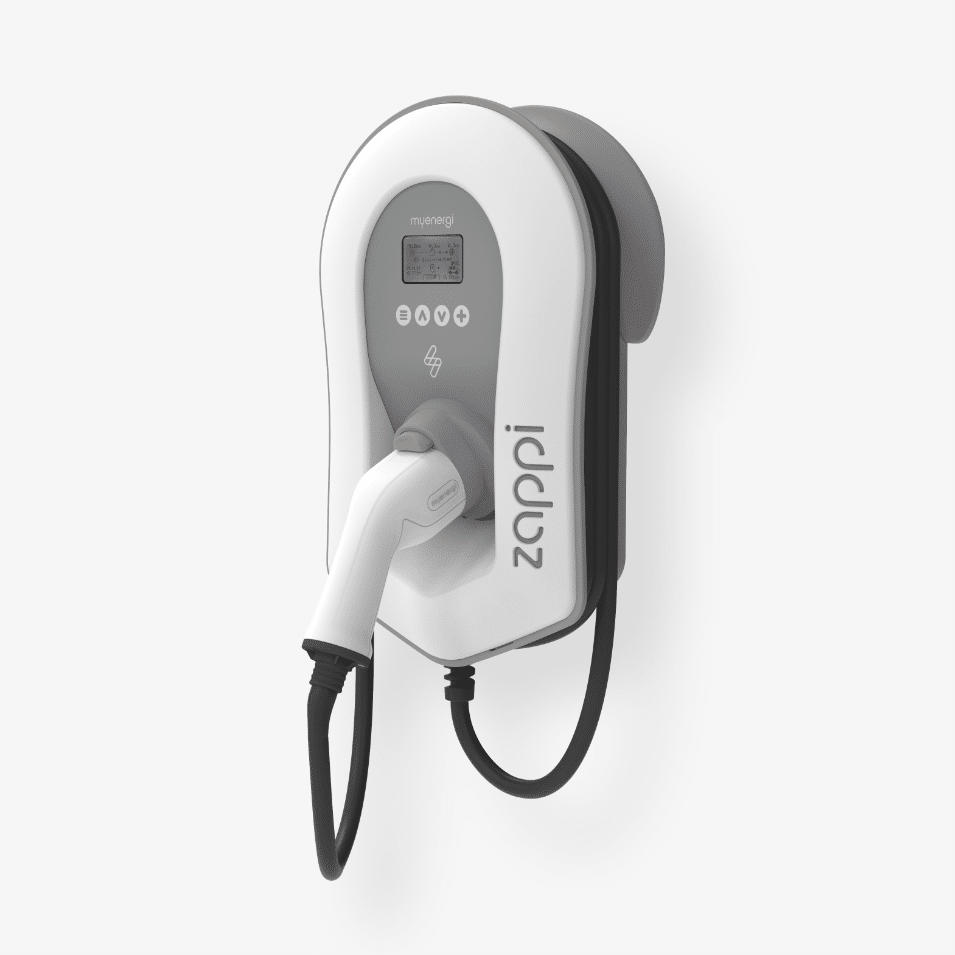
Zappi v2.1 EV Charger
Photo by: MyEnergi
Approx. Price (AUD): $1,300–$1,600
Warranty: 3 years
The Zappi v2.1 EV Charger stands out for its integration of renewable energy. It can prioritise solar and wind energy for charging.
Zappi offers eco, eco+, and fast modes. This flexibility makes it one of the Top EV chargers in Australia 2026 for sustainable households.
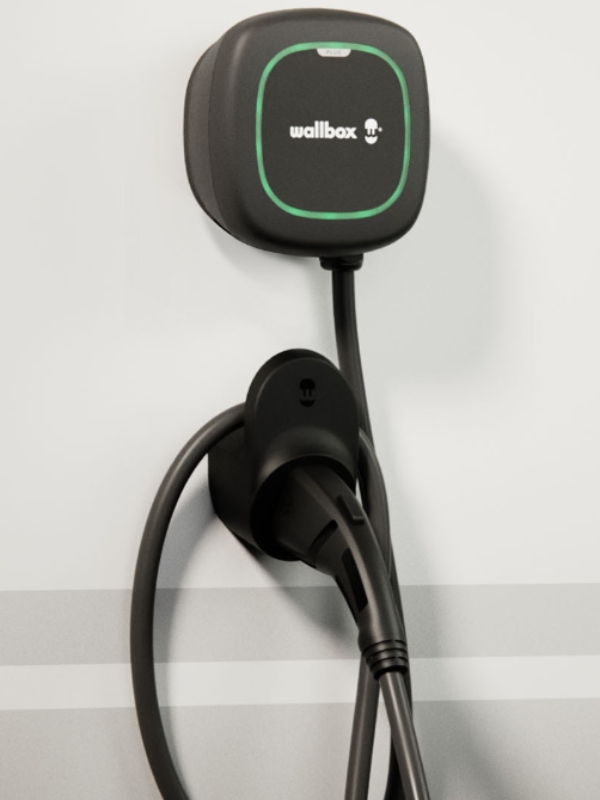
Wallbox Pulsar Plus
Photo by: Wallbox
Approx. Price (AUD): $1,200–$1,500
Warranty: 3 years
Compact yet powerful, the Wallbox Pulsar Plus delivers up to 22kW. It features Bluetooth and Wi-Fi connectivity with app-based controls.
Users benefit from scheduling, energy monitoring, and load balancing. It’s a leading home EV charger option in Australia for tech-savvy drivers.
Powering the future: Choosing the perfect EV charger for your lifestyle
Choosing from the Top EV chargers in Australia 2026 ensures faster charging, smarter energy management, and long-term savings. Whether you prioritise solar integration, affordability, or advanced features, there’s a solution to match your needs.
Ready to embrace the electric future?
Energy Matters makes EV charging simple. Compare options, maximise your solar investment, and future-proof your home today. Speak with our solar expert team and take the next step toward smarter, cleaner driving.
Energy Matters is one of Australia’s most trusted solar quote providers, thanks to our high customer satisfaction and industry recommendations.
Complete our quick Solar Quote Quiz to receive up to 3 FREE solar quotes from trusted local installers – it’ll only take you a few minutes and is completely obligation-free.
Energy Matters has been Australia’s trusted source of renewable energy news and education since 2005. We offer free services: providing free solar quotes, free battery quotes, and connecting home and business owners with local and pre-vetted installers.
“Energy Matters believes in a clean energy future. Australia’s road to electrification will be paved with solar, battery, and other renewable energy tech adoption – from households to industry. Our goal is to see Australia move towards net-zero” – Roshan Ramnarain, CEO of Energy Matters